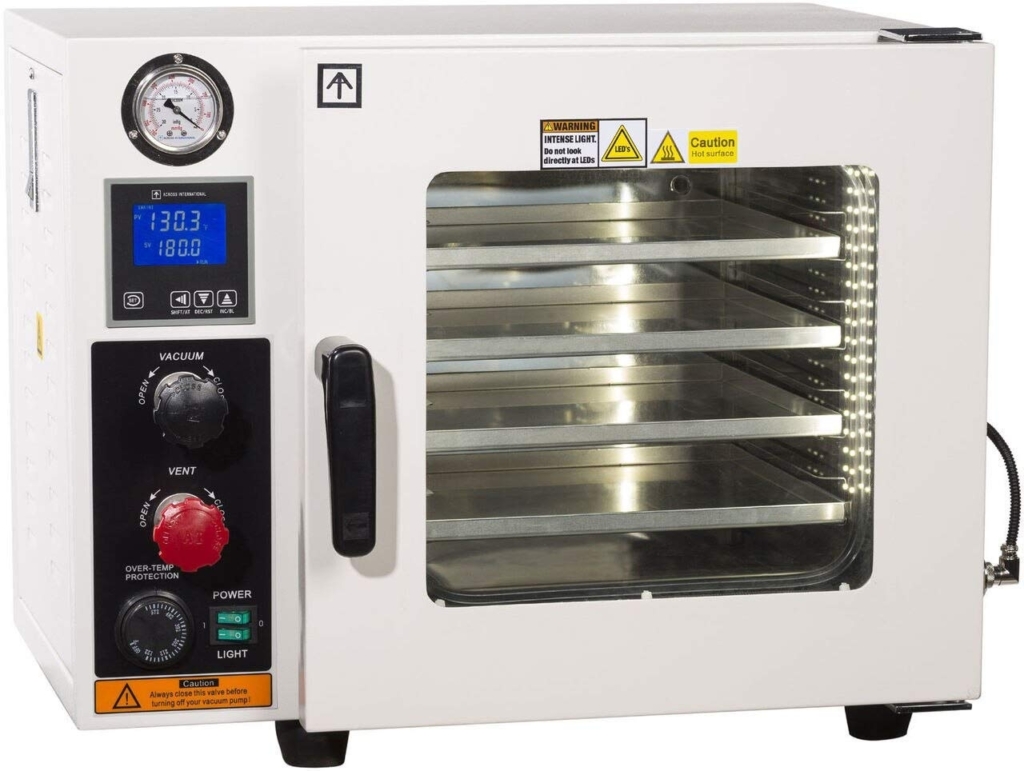
Many laboratory and manufacturing processes rely heavily on materials that are increasingly sensitive to heat, and these substances can quickly degrade when exposed to prolonged high temperatures. This is where vacuum drying systems come into the picture, offering a more controlled approach for heat-sensitive materials. In this article, we will explore the benefits of vacuum drying, how to choose the system that fits your process, and more.
How Does Vacuum Drying Work and Why Is It Important for Manufacturing Processes?
Vacuum drying is efficient for rapidly drying certain heat-sensitive and oxidizable materials without exposing them to damaging temperatures. It works by reducing the pressure around substances in a sealed chamber, allowing moisture to evaporate and be extracted as vapor. The result is a controlled process that protects the material’s integrity throughout, making it integral for modern manufacturing processes because the drying stage is where product quality can easily be compromised.
Key Benefits
- Product Quality
By drying at lower temperatures, vacuum drying systems protect materials that would be chemically or structurally altered by conventional drying methods. It also minimizes the risk of oxidation, which can cause corrosion on sensitive metal surfaces. This is critical for materials such as battery electrode powders and fine chemicals, where even minor oxidation affects performance or purity.
- Operational Efficiency
The lower pressure allows moisture to evaporate more quickly, reducing overall drying time compared to atmospheric or ambient-temperature drying methods. These shorter drying cycles increase production output while reducing energy consumption, leading to improved efficiency and lower operating costs for manufacturers.
- Process Safety
Operating within a sealed chamber, it provides a contained environment that is important for industries with strict purity requirements. It plays a crucial role in safely recovering residual organic solvents, including those used in battery electrode coatings, pharmaceutical intermediates, botanical extracts, and other solvent-based formulations.
- Versatility
Vacuum drying supports processing a wide range of materials, including powders, granules, pastes, and other heat-sensitive materials, while maintaining precise temperature control. This makes it a highly versatile solution for diverse industrial applications.
- Customization and Automation
The ability to customize and automate vacuum drying systems allows manufacturers to configure equipment that seamlessly integrates into their existing production processes. Additionally, automation supports unattended operation with minimal manual intervention, thereby reducing labor requirements.
Key Factors to Consider When Choosing a Vacuum Drying System
While price and chamber size are often considered first, specifying a vacuum drying system based on these factors alone isn’t sufficient to ensure optimal performance. Let’s take a closer look at the key factors to consider when selecting the right vacuum drying system for your business:
Temperature Control and Processing Range
Vacuum drying is useful for materials that degrade or oxidize above 40–60°C and require heat treatment processes or systems capable of maintaining stable, low-temperature operation. This is especially important for high-performance materials such as specialty polymers, where strict temperature uniformity is essential to protect product quality and ensure process reliability.
Solvent Type and Recovery Requirements
When it comes to materials containing residual organic solvents such as ethanol or acetone, you need to ensure the vacuum drying system can safely handle solvent vapor. If you are working with flammable solvents, the system must include explosion-proof components and appropriate electrical classifications. Solvent recovery is also a key consideration because, in high-volume production, recycling solvents rather than venting them is required for safety and helps reduce operating expenses.
Vacuum Depth and Pump Capacity
For highly heat-sensitive materials, a sufficiently low pressure can reduce the boiling point of water or solvents, but pump selection should also account for vapor load, drying rate, condenser capacity, and material behavior. The vacuum pump must also have sufficient pumping speed to maintain stable pressure levels throughout the drying cycle and ensure efficient moisture removal.
Chamber Materials and Compliance
If you are operating in regulated industries such as food processing or pharmaceutical manufacturing, the internal chamber material and dimensions play an equally important role as thermal performance. While stainless steel 316L is typically preferred due to its corrosion resistance and ease of cleaning, surface finish and compliance requirements may still vary depending on industry standards and internal quality systems. In addition, compliant systems often require specific documentation and data logging of key parameters, such as temperature and pressure, to ensure traceability and validation.
Common Applications of Vacuum Drying Technology
With numerous benefits, vacuum drying has become essential across a wide range of applications, from laboratory research to large-scale industrial production. Here are some key industrial applications where precise, low-temperature drying is critical for maintaining material quality and performance:
- Pharmaceuticals: Used for drying APIs (active pharmaceutical ingredients) or selected formulations where low-temperature moisture or solvent removal is required.
- Medical Devices: Removes moisture from sensitive components where residual moisture can affect performance and reliability.
- Battery and Energy Storage: Helps remove moisture from electrode materials and electrolyte components without causing thermal damage.
- Food and Nutraceuticals: Preserves aroma and bioactive compounds in products such as fruit extracts and flavor ingredients by avoiding exposure to high temperatures.
- Electronics: Eliminates moisture before component assembly, helping prevent corrosion and electrical failure.
- Specialty Chemicals and Polymers: Removes residual solvents from powders, granules, resins, and other substances without altering chemical structure or material properties.
- Advanced Materials Research: Helps reduce thermal stress or contamination risks in selected nanomaterials and composite research applications.
As material processing moves toward higher-value and more complex compounds, selecting the right drying technology becomes increasingly important. Therefore, choosing the right vacuum drying system that meets your processing requirements is essential to ensure consistent product quality and reliable production performance.