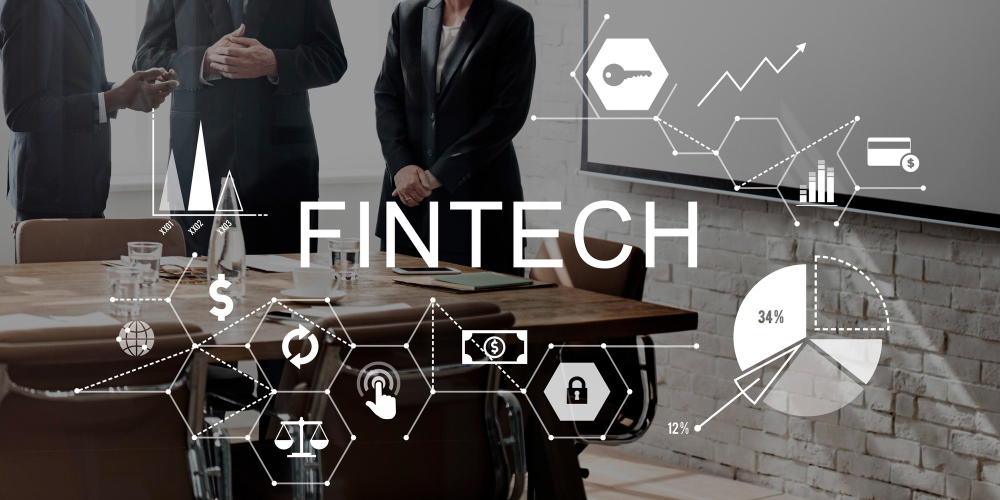
The financial landscape is shifting under our feet at a speed that’s both exhilarating and, honestly, a little bit dizzying. Not long ago, the idea of managing an entire investment portfolio from a device in your pocket felt like science fiction. Today, it’s simply the baseline. But as we look toward the next wave of innovation, we’re seeing a move away from simple digitalization and toward a deeper, more integrated form of financial technology. It’s a shift that prioritizes how people actually feel when they use it. I guess we’re finally realizing that money isn’t just numbers; it’s a part of our daily stress and our future dreams.
The Rise of Embedded Finance
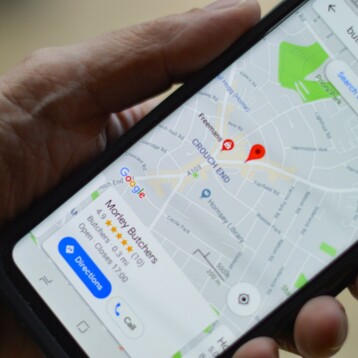
One of the most significant shifts happening right now is the rise of embedded finance. Basically, it’s the integration of financial services into platforms that aren’t even about finance. Think about the last time you used a ride-sharing app or ordered food online while sitting on your couch after a long day. You didn’t have to pull out a wallet or log into a separate bank portal to finish the transaction. The payment just happened naturally while you were doing something else.
And that is exactly the point.
This trend is expanding far beyond simple payments. We’re seeing insurance offered right when you buy electronics and “buy now, pay later” options integrated into almost every retail checkout. The goal is to remove friction. By placing financial tools exactly where people need them, companies are making the process of spending, saving, and borrowing feel less like a chore and more like a helpful service. But have we considered how much of our daily lives will eventually be tied to these invisible transactions? You know, it’s convenient, but it also makes spending feel a little less “real.”
Artificial Intelligence and Personalization
We’ve moved past the era of generic banking. The next wave of innovation is being driven by artificial intelligence that actually understands how individuals behave. In the past, a bank might send out a mass email about a new savings account. Now, AI can look at your spending patterns and offer a personalized suggestion to move money into a high-yield account right after you get paid.
It feels personal because it is.
This level of hyper-personalization is changing the relationship people have with their money. It’s no longer just about storing wealth. It’s about active management. AI assistants are becoming smart enough to predict your upcoming bills, flag subscriptions you forgot about, and even automate micro investments. Honestly, it’s a relief to have a tool that catches a forgotten gym membership before it hits your statement. This creates a sense of financial empowerment that used to be reserved for people who could afford private wealth managers.
The Decentralization Movement
While traditional institutions are busy integrating tech, a parallel movement is happening in the world of decentralized finance. The core idea here is to remove the middleman. By using blockchain technology, developers are creating systems where individuals can lend, borrow, and trade directly with one another.
We’re seeing this show up in the evolution of the crypto investment platform, where users can now access yield-bearing stablecoins and tokenized real-world assets that were once off limits to the average person. But is the world ready for a financial system without a central authority? Maybe, maybe not. This isn’t just about digital currencies. It’s about the infrastructure of trust. When you remove the need for a central authority to verify a transaction, you reduce costs, and things move a lot faster.
The old ways aren’t the only ways anymore.
Security in an Instant World
As transactions become faster and more invisible, the stakes for security have never been higher. The next wave of innovation has to include a massive leap forward in how we protect data. We’re seeing a move away from easily compromised passwords and toward biometric authentication and behavioral monitoring.
I remember the panic of losing a wallet years ago, but today, a compromised login feels even more invasive.
Security is becoming more proactive. Instead of waiting for a fraud event to happen, new systems are using machine learning to spot weird activity in real time. If a transaction looks out of character for a specific user, the system can pause it instantly. But can technology ever stay one step ahead of those trying to exploit it? This layer of protection is essential because, without trust, the entire ecosystem of digital finance just falls apart. And that’s the point. We need to feel safe before we can feel innovative.
Financial Inclusion on a Global Scale
Perhaps the most impactful trend is the way technology is opening doors for people who have been left out of the banking system. In many parts of the world, traditional banks don’t even exist. However, almost everyone has a mobile phone. Fintech companies are leveraging this by creating mobile wallets and lending platforms that don’t require a physical building or a long credit history.
By using different data points to figure out if someone is a good borrower, like mobile phone usage or utility bill payments, these innovators are bringing millions of people into the formal economy. This isn’t just a business opportunity. It’s a tool for social mobility. When people have access to safe ways to save and borrow, they can start businesses, educate their children, and build a more stable future for their families. It’s the hum of a smartphone at midnight in a small village, finally providing a way to plan for next year. What does the world look like when everyone has a seat at the table?
Conclusion
The future of finance isn’t just about better apps or faster processing speeds. It’s about making money work more effectively for everyone. Whether through the seamless integration of embedded finance, the intelligence of AI, or the democratization of decentralized systems, the next wave of innovation is focused on the human element. We’re moving toward a world where financial tools are invisible, intuitive, and accessible to all. It’s a big shift, and honestly, it’s about time.