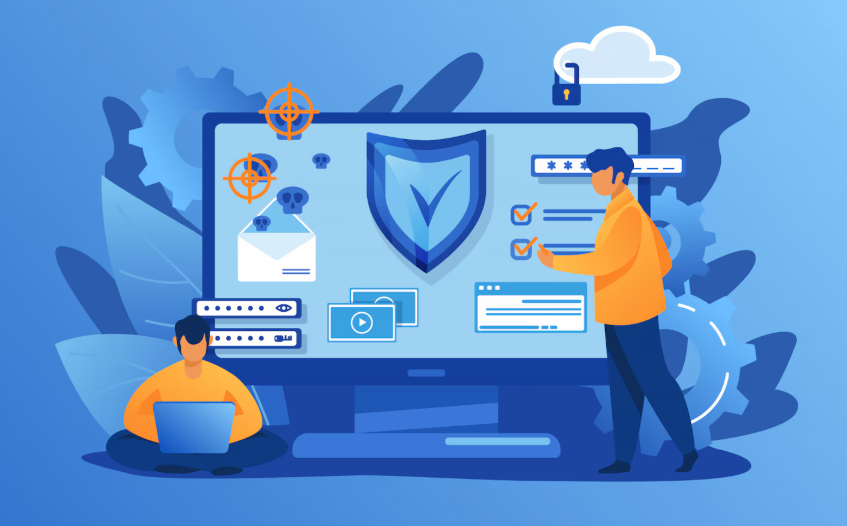
The landscape of healthcare communication is dotted with various potential pitfalls when it comes to the protection of sensitive information. HIPAA-compliant faxing is on the forefront of measures that ensure health care providers handle patient data with the highest level of security. This specialized approach to faxing is meticulously designed to keep patient records confidential and secure during transmission.
By adhering to strengthened protocols and employing advanced technology, healthcare organizations can effectively safeguard patient information against unauthorized access and breaches. Below, we explore how incorporating secure HIPAA faxing standards enhances overall data protection.
Strengthening Patient Data Security with HIPAA-Compliant Fax Solutions
Healthcare institutions are increasingly turning to HIPAA-compliant fax solutions as a crux for protecting patient data. These solutions offer a fortified barrier against data breaches, preserving the confidentiality, integrity, and availability of patient information as dictated by the Health Insurance Portability and Accountability Act.
Such compliant fax services integrate secure transmission methods and encryption protocols that render the data unreadable to unauthorized parties. For example, they might use end-to-end encryption, which ensures that the content of a fax is only accessible to the sender and the intended recipient.
When selecting a HIPAA-compliant fax solution, it is vital to verify that the provider has a proven track record of adhering to the necessary regulations and that they offer measures like secure user authentication and detailed access logs. This level of scrutiny enables healthcare organizations to maintain a high standard of patient data security, including applying tips for secure HIPAA faxing.
HIPAA Faxing Protocols and Their Role in Protecting Health Information
HIPAA faxing protocols are designed to form an intricate defense against unauthorized disclosure of health information. By following these defined procedures, healthcare entities can effectively uphold their legal and ethical obligations to protect patient privacy.
The protocols encompass strict access controls, ensuring that only authorized personnel can send or receive faxes containing Protected Health Information (PHI). They also mandate audit trails, which log all interactions with PHI, providing a mechanism for accountability and oversight. Additionally, Security Rule compliance ensures that faxes are transmitted securely, with measures to prevent data from being intercepted or altered during transmission.
Healthcare providers can enhance protection by training staff on these HIPAA faxing protocols, including secure handling and proper disposal of faxed health information. Regular policy reviews and updates help keep protocols in line with evolving threats and technological advancements.
Implementing Secure Faxing to Mitigate Data Breach Risks in Healthcare
Incorporating secure faxing systems within healthcare organizations is a pivotal strategy for reducing the risks of data breaches. Secure faxing provides a controlled and monitored environment for the exchange of sensitive patient data, which is critical in an industry where such breaches can have major legal and reputational repercussions.
A robust secure faxing system should include strong encryption standards for data at rest and in transit, secure storage of faxed documents, and the ability to restrict access based on the principle of minimum necessary use. This not only thwarts external threats but also minimizes the potential for internal misuse or accidental disclosure of PHI.
To maximize data breach mitigation efforts, healthcare providers should integrate secure faxing with their existing security frameworks and workflows. They might conduct regular risk assessments to identify any vulnerabilities within their faxing processes and rectify them promptly.
Enhancing Privacy Measures with Advanced HIPAA Fax Technology Features
Advanced HIPAA fax technology features bring a multitude of privacy enhancing measures to the task of safeguarding patient data. By leveraging such features, healthcare organizations can stay ahead of potential security risks and ensure compliance with stringent privacy laws.
For instance, the use of automatic fax cover sheets that include necessary confidentiality statements, the ability to track and confirm receipt of faxes, and ‘fail-safe’ features that prevent the sending of faxes to unauthorized numbers—all serve to add layers of protection. Furthermore, artificial intelligence can play a role in detecting anomalous fax activity, which may signify a security threat.
Implementing these advanced features—such as automatic redaction of sensitive information, use of secure virtual fax mailboxes, and real-time alerts for potential breaches—not only elevates the level of privacy but also demonstrates an organization’s commitment to protecting patient data. Health law regulations and best practices are constantly evolving, and keeping fax technology up to date is an actionable way to complement those changes.
Ultimately, secure HIPAA faxing is a cornerstone of effective data protection strategies in the healthcare industry. The combination of comprehensive protocols, advanced technology features, and continuous improvement measures provides a robust framework that healthcare providers can use to safeguard sensitive patient information against unauthorized access. Together, these efforts contribute not only to compliance with legal requirements but also to the trust that patients place in their healthcare providers.