Unused devices tend to pile up faster than most people realize. An old phone sits in a drawer after an upgrade. A laptop collects dust once a newer model takes its place. Tablets, gaming consoles, and smartwatches quietly fade into the background. These items may feel outdated, yet they still hold value.
Several practical options exist for tech you no longer use. Selling is the most direct way to turn clutter into cash. Trade-in programs offer convenience if you plan to upgrade. Donations can benefit someone in need. Recycling ensures responsible disposal when a device has reached the end of its life. Each path has its place, but selling often delivers the strongest financial return when timing and preparation align.
Why Letting Old Tech Sit Costs You
Technology evolves quickly. New models arrive each year with better features and improved performance. As newer versions hit the market, older ones decline in demand. That decline directly affects resale value.
Holding onto devices for too long usually means accepting a lower payout later. A phone that could have earned a strong offer last year may now compete with several newer releases. Laptops follow a similar pattern, especially when operating systems stop supporting older hardware. Waiting rarely works in your favor. Acting sooner keeps more money in your pocket. Early resale captures demand while the device still feels current.
Making the Most of Old Phones
Phones represent the most common form of unused tech. Nearly everyone upgrades every few years, and the previous device often ends up forgotten. That unused phone may still carry strong resale potential, especially if it remains in good condition.
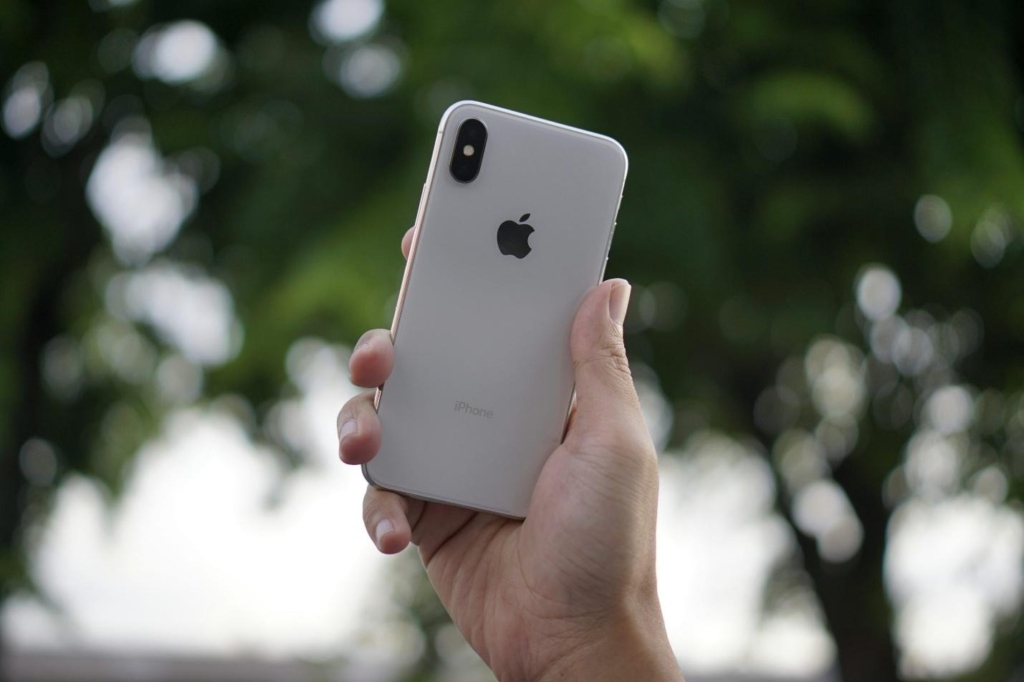
Older iPhone models, even those a few generations behind, continue to attract buyers who want reliable performance at a lower price point. There are ways to sell iPhone models that are a few years old without settling for lowball offers or long waiting periods. Trusted buyback stores can provide fast cash by inspecting devices on the spot and issuing payment immediately. Exploring both local and online options helps you compare offers and choose the one that fits your priorities. Condition plays a central role in pricing. Storage capacity, carrier status, and cosmetic wear all influence the final offer.
Getting Laptops Ready for Resale
Laptops often carry a higher resale value than smaller devices. Students, remote workers, and casual users frequently search for reliable secondhand options. A well-maintained laptop can generate a meaningful return if presented properly.
Start with a full data backup. After securing your files, perform a factory reset to remove personal information. Buyers expect a clean system that feels ready to use. Updating the operating system can also help, since it demonstrates that the device still runs smoothly. Physical presentation influences perception. Wipe down the keyboard, screen, and casing. Replace missing keys if possible. Including the original charger is essential, and original packaging adds credibility.
Turning Tablets and E-Readers Into Cash
Tablets and e-readers often rotate out of daily use once a phone upgrade covers similar functions. Despite that shift, demand remains steady. Families purchase them for children. Travelers use them for streaming and reading. Students appreciate affordable alternatives to laptops.
Wi-Fi and cellular models carry different values, so check the exact configuration before listing. Battery health and screen condition matter here as well. Scratches and charging issues can reduce offers, yet a well-maintained tablet still attracts attention. Reset the device fully and remove any linked accounts. The presentation should highlight storage capacity, model generation, and overall condition.
Selling Gaming Consoles and Accessories
Gaming consoles hold strong resale demand, especially when new releases create upgrade waves. Older systems often remain popular among casual players or collectors. Controllers, headsets, and VR gear can add value when bundled together.
Restore the console to factory settings and remove personal profiles. Clean surfaces carefully, paying attention to vents and ports. Including original cables and packaging enhances appeal. Bundled games may increase interest, particularly if they remain popular titles. Clear descriptions of the condition and included items help buyers make decisions quickly. A complete, well-presented bundle often stands out in a crowded market and secures a better return.
Finding Value in Smartwatches and Wearables
Smartwatches and fitness trackers tend to be replaced quickly as new features roll out. Heart rate monitoring improves, battery life expands, and software becomes more refined. That upgrade cycle leaves many older wearables sitting unused, even though demand for affordable models remains steady.
Recent generations typically command higher offers, especially when they remain compatible with current operating systems. Battery health plays a significant role in pricing since wearables depend heavily on daily charging. Visible wear on bands or screens can reduce value, though replacing a worn band is often inexpensive and may improve presentation.
What to Do With Broken or Older Electronics
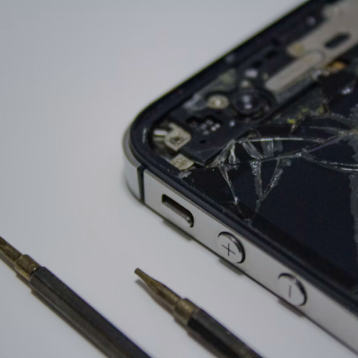
Damaged devices may seem worthless at first glance, yet many still carry parts value. Cracked screens, weak batteries, or minor hardware issues do not always eliminate resale potential. Repair shops and refurbishers frequently purchase devices for components they can reuse.
Honest descriptions matter more than anything else in this category. Clearly state what works and what does not. Transparency reduces disputes and builds credibility with buyers who understand they are purchasing for repair or parts. Attempting to hide defects often leads to returns or reduced offers. Older electronics that no longer receive software updates can still attract niche buyers.
Choosing the Right Selling Method for Each Device
Different devices benefit from different selling approaches. Instant cash buyers appeal to those who value speed and simplicity. The payout may be slightly lower, yet the convenience often offsets the difference. Online marketplaces allow for potentially higher returns, though they require more effort and patience.
Trade-in programs work well if you plan to upgrade within the same brand ecosystem. Credit toward a new device simplifies the process and removes the need to manage separate transactions. Peer-to-peer platforms offer flexibility in pricing, but communication and coordination demand time and attention.
Unused tech represents more than clutter. Each device carries potential value that fades with time. Acting early preserves that value and turns idle electronics into practical returns. Phones, laptops, tablets, consoles, and wearables all offer resale opportunities when prepared properly and priced realistically.
Careful research, honest descriptions, and smart platform choices create better outcomes. A few simple steps, such as resetting devices and cleaning them thoroughly, strengthen buyer trust and improve offers. Even damaged electronics can generate cash when handled transparently.