The traditional image of a classroom—rows of wooden desks, a slate chalkboard, and heavy printed textbooks—is rapidly becoming a relic of the past. In its place, a sophisticated ecosystem of interconnected devices, cloud-based software, and interactive interfaces is redefining the educational experience. This shift toward “Smart Classrooms” is not merely about replacing paper with screens; it represents a fundamental overhaul of the student workflow.
As educational institutions globally invest billions into EdTech, the focus has shifted from simple digitization to the creation of environments that prioritize collaboration, accessibility, and data-driven learning. For those observing the intersection of technology and society, the smart classroom serves as a primary case study in how digital transformation alters human behavior and productivity.
The Architectural Shift: From Passive to Active Learning
Historically, the student workflow was linear and passive. Information flowed from the teacher to the student, who recorded it in a notebook and reproduced it during an examination. Smart classrooms have disrupted this hierarchy. Through the use of Interactive Whiteboards (IWBs) and student-led casting devices, the front of the classroom is no longer a stage for a solo performance but a hub for collective contribution.
In a modern smart environment, a student’s workflow often begins before they even enter the room. Learning Management Systems (LMS) like Canvas or Google Classroom serve as digital headquarters. Here, students access pre-recorded lectures—a concept known as the “flipped classroom”—allowing them to use synchronous class time for hands-on problem solving rather than initial note-taking.
Digital Integration and the Evolution of Academic Support
As the complexity of modern curricula increases, the tools students use to manage their outputs have become more specialized. The workflow now incorporates a variety of AI-driven research assistants, citation generators, and organizational apps. In this high-pressure environment, many students seek out specific professional resources to bridge the gap between classroom theory and polished academic output. For instance, when navigating complex assignments that require a high degree of structural precision, utilizing an essay writing service can help students understand the nuances of academic formatting and rigorous argumentation, effectively acting as a supplemental learning tool in their broader digital toolkit.
This reliance on external digital support is a hallmark of the new student workflow. It is no longer just about “doing the work,” but about managing a suite of digital services to ensure the final product meets the increasingly high standards of a globalized educational market.
The Role of IoT and Ambient Technology
The “Smart” in smart classrooms often refers to the Internet of Things (IoT). Sensors and connected hardware now play a silent but vital role in the student experience. Adaptive lighting and climate control systems, linked to occupancy sensors, ensure that the physical environment is optimized for concentration.
More importantly, the integration of tablets and 1-to-1 device programs ensures that the workflow is seamless. A student can start a project on a desktop in a computer lab, continue it on a tablet during their commute, and present it wirelessly from their smartphone. This level of connectivity has eliminated the “forgot my homework” excuse, but it has also blurred the lines between school and home life, requiring students to develop new skills in digital boundary setting.
Data-Driven Feedback Loops
One of the most significant changes in student workflows is the speed of the feedback loop. In the traditional model, a student might wait two weeks to receive a graded paper. In a smart classroom, digital assessments provide instantaneous results.
Platforms that utilize Learning Analytics allow both teachers and students to visualize progress in real-time. This data-driven approach changes how a student studies; instead of reviewing an entire chapter, they can see exactly which sub-topic they struggled with during a digital quiz and focus their energy there. This precision-learning saves time and reduces the cognitive load associated with traditional “cramming.”
Collaboration in the Hyper-Connected Era
The workflow for group projects has been entirely transformed by synchronous editing tools. Tools like Microsoft Teams and Slack for Education have replaced the need for physical meetups. Students now collaborate across time zones and physical locations, using version control history to manage contributions.
This mirrors the “Agile” workflows found in the corporate tech sector. Students are learning to use Kanban boards to track project phases and cloud repositories to store assets. This preparation is invaluable, as the modern workplace is essentially a larger, more complex version of the smart classroom. According to research published by the World Economic Forum, digital literacy and the ability to collaborate via technology are among the top skills required for the future workforce.
Accessibility and Inclusion
Smart classrooms have also democratized the workflow for students with different learning needs. Text-to-speech software, real-time transcription, and AI-driven translation tools ensure that language barriers and physical disabilities do not impede the learning process. For a student with dyslexia, a smart classroom provides a workflow where they can record thoughts via voice-to-text and use specialized software to organize their ideas, leveling the playing field in a way that was previously impossible.
The Universal Design for Learning (UDL) framework is often at the heart of these technological adoptions. By providing multiple means of engagement and expression, technology ensures that the student workflow is flexible enough to accommodate the individual rather than forcing the individual to conform to a rigid system.
Challenges: The Digital Divide and Cognitive Overload
Despite the benefits, the rise of the smart classroom is not without its hurdles. The most pressing issue is the “Digital Divide.” As workflows become increasingly dependent on high-speed internet and high-end hardware, students without access to these resources at home find themselves at a significant disadvantage. Site owners and educators must remain cognizant of the fact that technology can exacerbate inequality if not implemented with a focus on universal access.
Furthermore, there is the risk of “app fatigue.” With a dozen different platforms for grading, communicating, researching, and creating, the student workflow can become fragmented. The modern student must be an expert in “context switching”—the ability to jump between different interfaces without losing focus.
The Future: VR, AR, and the Metaverse
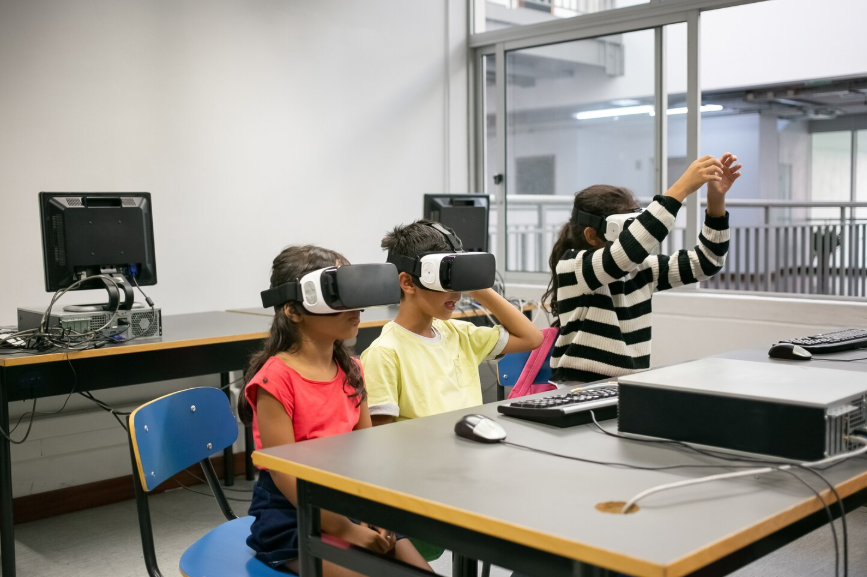
Looking ahead, the student workflow is set to become even more immersive. Virtual Reality (VR) and Augmented Reality (AR) are moving from novelty to necessity. Instead of reading about the circulatory system, a student might put on a headset and “walk” through a human heart. This shifts the workflow from abstract visualization to experiential learning.
In this future, the “classroom” may not be a physical room at all, but a persistent digital space where students from around the world gather to solve problems in real-time. The workflow will become entirely non-linear, driven by curiosity and facilitated by AI mentors that adapt to each student’s unique pace and interest.
Conclusion
The rise of the smart classroom is a testament to the power of technology to reshape human potential. By streamlining workflows, providing instant feedback, and fostering global collaboration, these tools are preparing a new generation for a world that is digital by default.
For educators and those interested in the future of work, the lesson is clear: the most important skill a student can acquire in a smart classroom is not the mastery of a specific piece of software, but the ability to adapt to a constantly evolving digital landscape. As the boundaries between technology and education continue to dissolve, the student workflow will become increasingly personal, powerful, and profound.