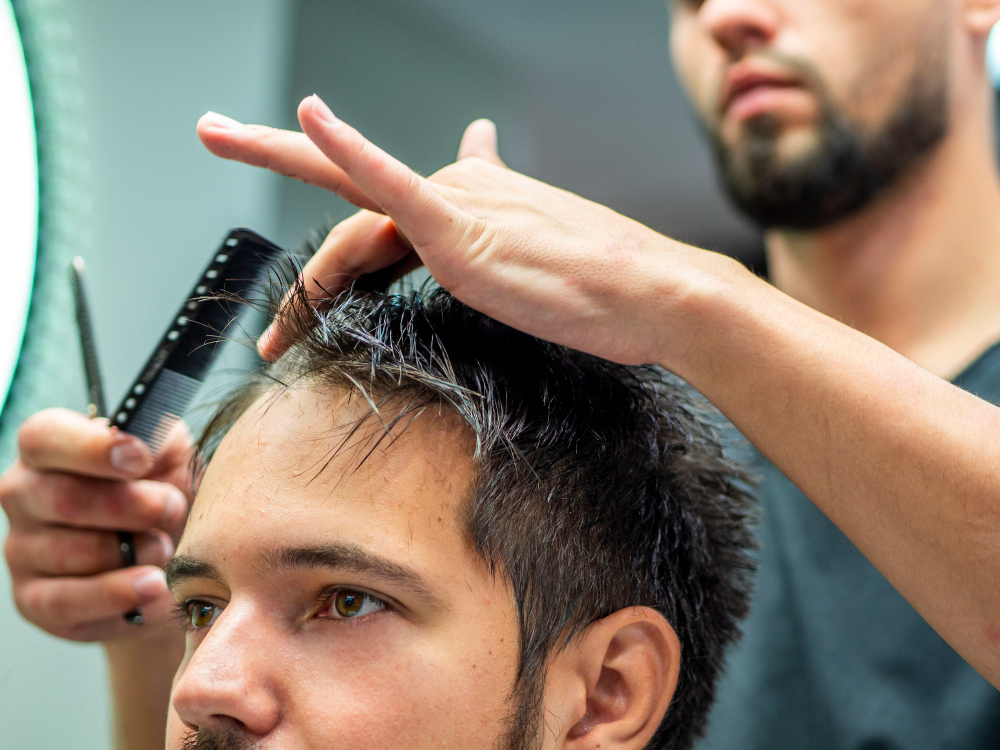
Hair loss affects millions of people and often carries an emotional impact that goes beyond appearance. It can influence confidence, social comfort, and the way someone feels when looking in the mirror. For years, many people believed treatment options were limited to wigs, medications, or procedures that looked unnatural.
That perception has changed significantly. Modern hair restoration now combines medical expertise, advanced tools, and personalized treatment strategies that can create more natural-looking outcomes. With improved methods and smarter planning, patients today have access to solutions that are more effective, more comfortable, and more refined than ever before.
Why Hair Restoration Has Entered a New Era
Older hair restoration techniques often came with visible scars, unnatural hairlines, and longer recovery times. While they helped some patients, they also created hesitation for people who wanted subtle and realistic results. Many individuals delayed treatment because they feared obvious signs of surgery.
Today, innovations such as Follicular Unit Extraction have changed expectations across the industry. Instead of removing large sections of scalp tissue, specialists can extract individual follicle groupings with greater precision. This allows for less invasive treatment, reduced visible scarring, and a more flexible recovery experience.
The field has also become more patient-centered. Clinics now focus on consultation, planning, and long-term strategy rather than simply performing a procedure. This modern approach gives patients a clearer understanding of their options and helps create results that fit their age, hair pattern, and future goals.
Precision Tools Are Improving Natural-Looking Results
Natural-looking results depend on details that many people never notice. Hair direction, density, angle, and spacing all play a role in whether restored hair blends seamlessly with existing growth. Even small placement errors can affect the final appearance.
Modern surgical tools allow physicians to work with greater control during extraction and graft placement. These instruments help protect follicles during transfer and support higher-quality implantation. As a result, many patients benefit from fuller-looking coverage and a softer, more believable hairline.
Clinics that invest in innovation often combine technical skill with artistic judgment. Patients exploring options such as advanced hair restoration in Atlanta often look for providers who understand both science and aesthetics. The best outcomes usually come from balancing medical precision with a natural design philosophy.
Regenerative Treatments Are Expanding Options
Not everyone experiencing hair loss needs surgery. Many patients are in the early stages of thinning and may benefit from treatments designed to strengthen existing follicles. This has led to growing interest in regenerative therapies.
Platelet-rich plasma, commonly called PRP, is one of the most recognized options. It uses components from a patient’s own blood that are processed and introduced into the scalp. Many providers use PRP to support thinning hair, improve scalp conditions, or complement transplant procedures.
Other developing therapies continue to expand the field. These approaches reflect a larger shift toward preserving hair before significant loss occurs. For patients, this means treatment can be proactive rather than reactive, with more choices available at different stages of hair loss.
Digital Analysis Makes Treatment More Personalized
Hair loss does not happen for the same reason in every person. Genetics may be a major factor, but stress, hormonal changes, inflammation, and health conditions can also contribute. That is why modern treatment begins with understanding the cause before selecting a solution.
Many clinics now use scalp imaging and detailed assessments to evaluate follicle health, hair density, and loss patterns. This information helps create a plan tailored to the patient rather than relying on a generic recommendation. Better diagnosis often leads to better long-term results.
Personalization also includes protecting the donor area during transplant planning. Since donor hair is limited, responsible specialists carefully manage how grafts are used. A thoughtful strategy considers not only current appearance but also future hair loss progression.
Recovery Is Becoming Easier and More Discreet
One common concern about hair restoration is downtime. People often worry about pain, long healing periods, or returning to work with obvious signs of treatment. Modern methods have significantly improved these areas.
Minimally invasive techniques often create smaller treatment sites and a smoother healing process. Many patients can return to regular routines sooner than expected when following professional aftercare guidance. Improved comfort during and after treatment has also made procedures more approachable.
Discretion is another major benefit of newer methods. Patients who prefer privacy often appreciate procedures designed to minimize visible evidence during recovery. This makes it easier for professionals and active individuals to pursue treatment without major disruption.
Choosing the Right Provider Matters More Than Ever
Technology can improve outcomes, but it cannot replace experience. The success of any hair restoration procedure still depends heavily on the skill, judgment, and ethics of the provider performing it. Great tools in the wrong hands rarely produce great results.
Patients should look for clinics that provide realistic expectations, personalized recommendations, and transparent discussions about limitations. A strong consultation should explain treatment options, likely timelines, and whether surgery is even necessary. Honest guidance is often a sign of quality care.
It is also wise to choose a provider who values long-term planning. Hair restoration should not only address today’s concerns but also future changes in hair density. A smart strategy helps patients maintain natural results over time rather than chasing short-term fixes.
Conclusion
Modern hair restoration has evolved into a sophisticated blend of science, technology, and individualized care. With better tools, regenerative therapies, improved diagnostics, and refined techniques, patients now have more options than ever before. What once felt intimidating has become far more accessible and natural-looking.
For anyone considering treatment, the most important step is informed decision-making. By choosing a qualified provider and exploring solutions that match personal goals, individuals can approach hair restoration with confidence. Today’s technology is not just changing procedures; it is changing outcomes.