By far one of the more disruptive technological developments of the past few decades, AI is making ripples across industries and sectors of all kinds, and education is not immune to it. Although there are still questions about the ethics of some of its uses, in the classroom, teachers are finding that it can be as much of a boon as it can be a problem. Although there remains an issue with students using AI to effectively skip studying and cheat in tests and homework, here, we’re going to look at some of the more beneficial use cases of AI in the classroom.
Personalizing Learning At Scale
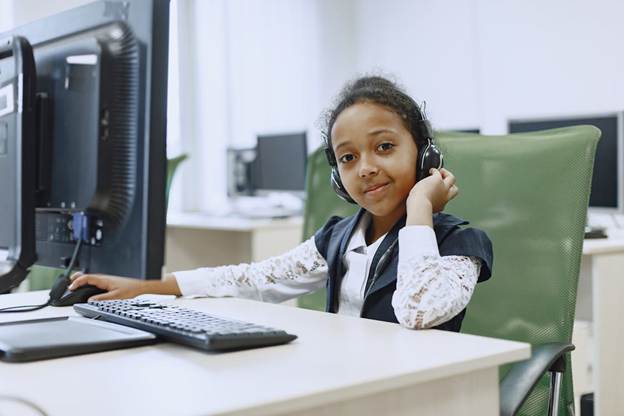
One of the biggest challenges for teachers is being able to personalize lessons for large classes of students, and AI is allowing that much more easily. Educators are able ot use AI-powered systems to adapt their lessons based on the strengths, weaknesses, preferred learning style, and learning speed of their different students. By analyzing performance data in real time and adjusting lesson plans, resources, and content automatically, teachers can better ensure that more advanced learners stay engaged and active, while those who find the lessons more challenging are not left behind but given a helping hand to reach the next level, instead.
Automating Administrative Tasks
To ensure that education can go smoothly, you have to make sure that you’re able to run the class and the school smoothly, as well. Repetitive administrative work can take up al ot of time and focus, from grading assignments to preparing lesson materials, and organizing student data. Allowing for AI in tools like school management systems can help automate many of the important, yet mind-numbing tasks that are vital for keeping the school up and functioning. This allows educators to focus more on the work that makes the biggest difference to their students: teaching them, mentoring them, and interacting with them to make sure that they’re getting a fulfilling experience from school. Automation can also remove an element of human error, but as with all things AI, it’s important to always double-check the output to avoid errors.
Intelligent Tutoring Systems
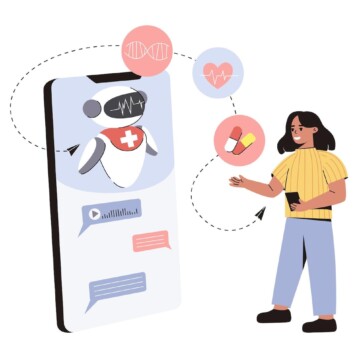
In some cases, AI is able to supplement the role of the teacher in a much more active way than just helping to devise lesson plans and educational content. More are experimenting with AI as a tutor, providing help outside traditional instruction, with 24/7 access to explanations on topics covered in class, answering questions, and guiding students through concepts that they might find difficult. AI is able to adapt its explanations based on how students respond, going over points that they might find confusing in more detail or with different wording. This can be very helpful for those students who might hesitate to ask questions in chat, and allows students to keep progressing at their own rate outside of the classroom.
Enhancing Engagement Through Interactive Learning
Teachers are often faced with the dilemma of how to encourage their students to be more engaged and active in the learning process. AI is making it a lot easier by quickly generating content that can make the classroom more immersive. From AI-powered simulations to using an AI quiz generator, teachers can use its easy content generation abilities to explore concepts in more interactive ways, making lessons feel much more like active experiences rather than a passive lecture. By transforming how education is delivered, AI tools can create a classroom environment where students are much more involved, attentive, and, most importantly, excited about learning.
Getting Data-Driven Insights
Although it might have been overshadowed somewhat by AI in recent years, the rise of data analytics has played a huge role across a range of sectors, and now, together, both technologies can combine to help teachers much more accurately gauge the performance and growth of their students. Learning analytics can be implemented to help analyze how students perform across assignments, tests, and overall participation. AI is not only helping to automate this process, but is able to look more deeply and smartly into identifying patterns, learning gaps, and areas where students might need a little more attention. These can help teachers make more informed decisions about lesson planning and how to help those individual students, as well.
AI As A Point Of Ethics
Not only can AI serve as an educational tool, but it can also provide some important lessons for children as a point of discussion and debate, as well. AI is one of the best representations of how a potentially hugely beneficial technology can also come with its own ethical caveats and considerations. For instance, you can engage with students on the potential environmental costs of AI and the data centers that power its existence. You can also look into the appropriative nature of generative AI, and how it pulls from content and creatives across the internet, and even how AI overuse and misuse can potentially lead to problems like skill or knowledge loss in people. Mindful use of the tech you implement in class can help students engage much more meaningfully with the questions that matter in our increasingly tech-driven world.
Bridging Accessibility And Inclusion Gaps
Of course, the argument around AI isn’t all about its potential downsides; it’s important to explore its upsides, as well. Aside from making it much easier to generate educational content that can better suit the learning needs of the class, it can play an important role in bridging the gaps often left by traditional education, as well, by making it more accessible and inclusive for learners with disability or those who face language barreirs, for instance. Tools powered by AI can provide real-time translations, speech-to-text capabilities, and personalized support for students with disabilities. By adapting learning to the needs of the many, AI can ensure that more students have the opportunity to learn and succeed.
In education, as with every other sector, AI use has to be paired with good sense and intentionality to get the best out of it. Undoubtedly, more uses for the technology will emerge in the future for forward-thinking teachers to get to grips with, as well.