
When it comes to rare cancers, early detection can make a life-changing difference. Yet many of these conditions are difficult to diagnose in their early stages. Mesothelioma is one such cancer. It develops silently for years before symptoms appear, which makes timely diagnosis a real challenge.
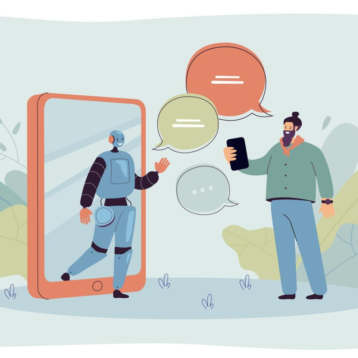
This is where artificial intelligence is beginning to change things. AI is helping doctors spot diseases earlier than ever before, giving you more time to explore treatment options and improve outcomes.
Why Some Cancers Are Hard to Diagnose
If you have ever looked into rare cancers, you may have noticed how easily their symptoms can be overlooked. Shortness of breath, chest pain, or fatigue can be linked to many common conditions. Due to this, mesothelioma is often diagnosed at a later stage. Several factors contribute to this delay, such as:
- Symptoms that resemble common illnesses
- A long gap between asbestos exposure and diagnosis
- Limited screening programs for rare cancers
- Low awareness among patients and general practitioners
Another challenge is the long latency period. You might be exposed to asbestos and not develop symptoms until decades later. By that time, the connection between exposure and illness is not always obvious. All of this makes early detection much harder than it should be.
How AI Is Revolutionizing Early Cancer Detection
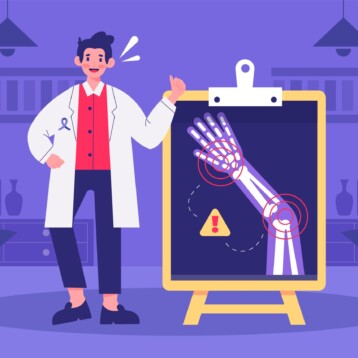
Artificial intelligence is helping doctors approach diagnosis in a smarter way. AI systems can analyze medical images such as CT scans and X-rays with remarkable precision. They can pick up small changes that may not be visible to the human eye. AI is also improving detection in several practical ways:
- It identifies tiny abnormalities in imaging scans
- It analyzes patient history and exposure risks
- It predicts high-risk individuals using data models
- It supports doctors with faster and more accurate insights
Beyond imaging, AI works with large sets of patient data. It studies patterns in medical history, lifestyle factors, and environmental exposure. For someone who may have been exposed to asbestos, this kind of analysis can be especially valuable.
By identifying subtle warning signs earlier, AI gives you a better chance of catching diseases like mesothelioma before they progress. This allows doctors to act sooner and recommend more effective treatment plans.
AI Meets Patient Support in the Real World
While AI is improving detection, it is only one part of the journey. If you or someone you care about is facing a possible diagnosis, having access to clear information and support is just as important.
Understanding your condition, exploring treatment options, and finding the right specialists can feel overwhelming. That is where trusted resources come in. Platforms like MesotheliomaHope.com can help you make sense of your diagnosis and guide you toward the care you need. Technology can point you in the right direction, but real support helps you move forward with more confidence and clarity.
The Future of AI in Rare Cancer Care
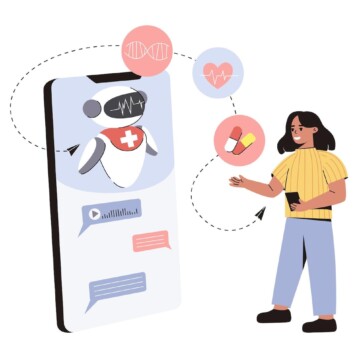
Looking ahead, AI will likely become an even bigger part of healthcare. It may connect with wearable devices that monitor your health in real time. This could allow doctors to detect changes earlier and respond quickly.
You can also expect AI to support more personalized treatment plans. By understanding how your body responds to certain therapies, doctors can tailor care specifically to you. There are still challenges to address, such as protecting patient data and ensuring fair use of technology. Even so, the progress being made offers real hope for better outcomes in rare cancer care.
Endnote
AI is opening new possibilities in the early detection of rare cancers like mesothelioma. It helps doctors see what was once easy to miss and gives you more time to take action. If you are concerned about your health or have a history of asbestos exposure, staying informed is one of the best steps you can take. With the support of advancing technology and reliable resources, you are better equipped to face the future with clarity and confidence.