Handling heavy slabs is not just strenuous work, it is high-risk work. Granite, quartz, metal, and concrete can cause serious injury or damage if they fall or shift. A vacuum lifter does more than ease the physical effort; it ensures safety. The right unit turns a potentially hazardous lift into a controlled process that protects both your crew and your material.
If you’re still lifting heavy slabs with straps or clamps, one mistake can lead to damage or breakage. Here’s how a vacuum lifter improves workplace safety.
How a Vacuum Lifter Improves Workplace Safety
1. Takes the Strain Out of Every Lift
Back injuries and muscle fatigue are still the most common job-site issues. When workers bend, twist, or lift a slab, they risk long-term strain. A vacuum lifter removes that load from their body.
The suction pads take the weight, the hoist lifts, and the operator guides the move. No tugging, uneven lifting, or team struggling to shift a 600-pound stone.
Reducing physical strain prevents fatigue, helping workers stay focused and avoid mistakes.
2. Better Control Means Fewer Accidents
Dense materials require precision. A vacuum lifter grips evenly across the slab, keeping it stable throughout the move. That balance is what prevents slips and side shifts that cause most accidents.
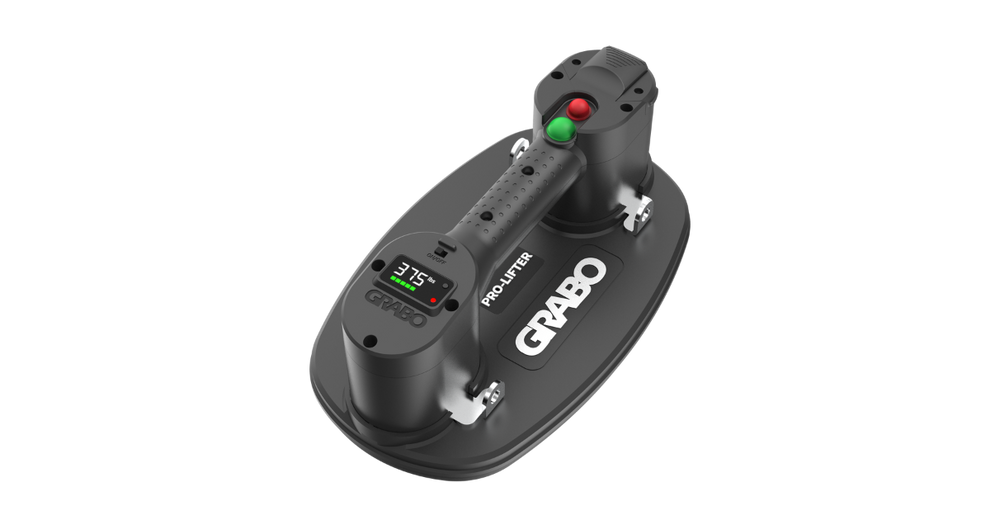
Modern units have vacuum gauges and alarms that warn if pressure drops. You get real-time feedback, not guesswork. When you know your load is secure, you move safer and faster.
3. Smooth Tilts and Rotations—Without Risk
Fabrication jobs require repositioning slabs vertically to horizontally, then repositioning them again for polishing or loading. That’s where the risk multiplies.
Vacuum lifters designed for fabrication, like those found at TSC, make transitions smooth. You can move from the cutting table to the rack with adjustable tilts and rotations without a single manual shift.
The lifter holds steady throughout, so there’s no “catch and swing” motion or sudden load shifts. The slab stays locked, and your team stays clear of pinch points.
4. Protects the Material—and the Operator
Safety extends to the material itself. Uneven tension from straps or clamps can crack or chip a slab mid-lift, creating a hazard. Vacuum lifters apply even suction across the slab, distributing pressure and reducing the risk of damage.
Compare that to straps or clamps. One wrong angle, and the tension can snap a slab mid-air. When a stone breaks, it breaks sharply, which is a direct safety threat.
This prevents both material loss and sharp fragments that could injure the team.
5. Controlled Release, No Surprises
Releasing a load by hand always has an element of risk. One wrong move, and gravity takes over. Vacuum lifters are released under control only when you’re ready.
A quick valve or trigger lets you lower safely, with no surprises. Some models have dual-circuit systems or backup reservoirs, keeping suction even during power loss.
That means no unexpected drops. When safety depends on control, the right lifter gives you full command.
6. Keeps Hands Out of Harm’s Way
Most injuries happen when someone’s too close to the load. When lifting manually, you’re right under it, fingers near edges, feet under slabs, body against the weight. Vacuum lifters change that dynamic.
Operators can guide from a distance using ergonomic handles or remote controls. They stay clear of swing paths, clamps, and drop zones.
Better positioning means better visibility, enabling cleaner and safer movements.
7. Builds Safer Habits Over Time
Safety is built on habits. Vacuum lifters make that consistency automatic. Every lift follows the same process: suction, check, lift, move, release.
When workers rely on safe systems, not just experience, accidents drop dramatically. The lifter doesn’t just prevent single mistakes; it prevents the patterns that cause them.
8. Safer Space, Cleaner Workflow
When lifting is predictable, everything around it runs smoothly. No rushing, no lifting clutter, no debris from broken slabs. Vacuum systems help keep your workspace organized and clear.
Less chaos means fewer tripping hazards, fewer broken tools, and less wasted motion. That efficiency feeds right back into safety.
The cleaner your workflow, the safer your shop runs, day after day.
Why It Matters
Every serious shop or contractor knows the risk of manual handling. One misstep can take someone out for weeks or worse. A vacuum lifter isn’t just a tool, it’s a safeguard.
It replaces risk with control, strength with stability, and guesswork with confidence. The result? A safer, more efficient, and more professional workflow from the first lift to the final placement.
Final Word
A high-qualityvacuum lifter does more than move stone, it protects the people who make your work possible. It cuts injury risk, keeps materials intact, and creates a workflow you can rely on every day.
If you are still lifting by hand or with outdated clamps, it is time to upgrade your setup.
Need help choosing the right vacuum lifter for your material type and setup?
Contact Tait Sales & Consulting LLC, the people who know the gear, the job, and the difference between good and great equipment.