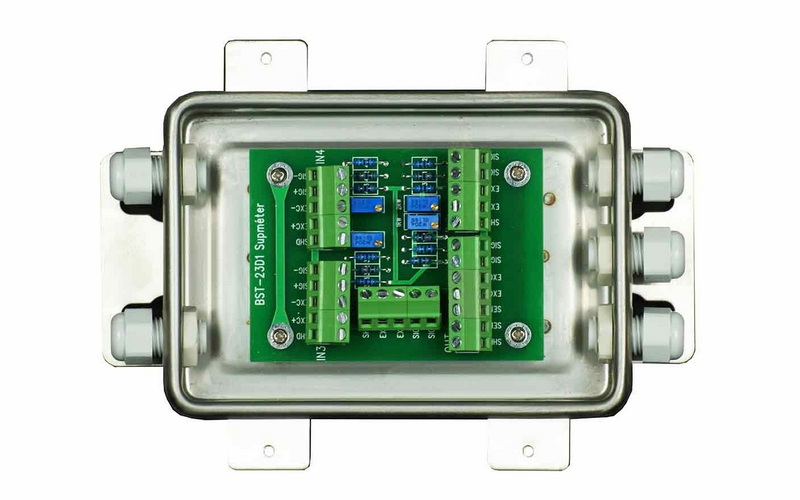
Industrial processes are built on accurate measurements. There are several key parameters for which the accuracy of weighing systems has to be consistent. However, load cell trimming is among the most critical steps in delivering a trustworthy measurement. This process rectifies the output of each load cell so that the weighing system operates with maximum accuracy. Users can realize the importance of trimming for accurate weighing applications when they understand how trimming works.
What Is a Load Cell?
Before we begin understanding all about load cell trimming, it is important to know about load cells. These devices translate a force into an electrical signal. These sensors are prevalent in weighing platforms found in several industries, such as manufacturing and logistics. When weight is applied to a load cell, it produces an output voltage in response. Its strength is proportional to the size of the load applied. These signals must be stable in order to generate accurate readings.
The Reasons Load Cells Need Trimming
Each load cell is not the same as another. Tiny differences in either material or construction can lead to some variation in output. Furthermore, using several load cells on a shared platform can lead to cumulative errors, resulting in uneven weight distribution. Trimming addresses these variations. This adjustment ensures that all load cells provide consistent responses to the same load, which is essential for multi-cell weighing systems like large scales or tanks.
Functions of Load Cell Trimming
Load cell trimming adjusts the electrical output of each load cell individually. To match the signals, technicians use tiny resistors or trimming devices. It typically occurs after the load cells have been installed in their final position. Technicians apply known weights and trim all the sensors to equal each other, thus normalizing the system. The objective is to make sure that every cell gets to contribute, regardless of what it threw out in the first place.
Types of Trimming Methods
There are different methods to trim load cells. One common system is resistance trimming, which replaces the signal through precision resistors. Excitation trimming is another method, and it adjusts the corresponding voltage supplied to the sensors. Some systems come with digital controllers that provide automatic adjustment capabilities. While each has its own advantages, they all seek the same outcome: balanced output and reliable readings.
The Importance of Proper Trimming
Trimming corrects errors from improper load distribution, ensuring accurate results. Without proper trimming, data can be inaccurate, leading to production disruptions and increased material costs in industrial settings. Regular trimming maintains the reliability and functionality of the weighing system throughout its lifespan. Companies can only guarantee compliance with quality standards and regulatory requirements by achieving consistent results.
Challenges in Load Cell Trimming
Trimming is technical work. Environmental factors, like temperature and humidity, also affect the behavior of the load cell. When making adjustments, technicians need to consider these variables. You also need the proper calibration equipment and procedures. If you do not consider these, you may experience constant inaccuracy or recalibration. Hiring skilled professionals and investing in quality tools can prevent these issues.
Benefits of Regular Maintenance
Periodic checks and re-trimming ensure the accuracy of weighing systems. Over time, load cells can suffer from drift due to aging or environmental conditions. Scheduled maintenance eliminates these changes before they affect measurements. Maintain equipment’s health with periodic inspection and trimming. Taking these early steps can avoid expensive mistakes and prolong the time that your equipment has to serve.
Load Cell Trimming Dependent Applications
Many industries rely on precise weighing systems. Reliable measurements are mandatory in any industry, whether it is food processing plants, chemical factories, or shipping centers. In each of these environments, load cell trimming is critical. Balanced sensors ensure you get the right results, whether getting your recipe ingredients in order or keeping tabs on bulk shipments forwarded. You can leverage reliable data to provide efficiency and quality control in hundreds of applications.
Conclusion
Prior to obtaining weight measurement, it is important to trim load cells correctly to enable accurate and repeated weighing. This process equalizes output from all sensors and removes offset errors resulting from slight mismatches between them. Technical skill and a regular commitment are necessary for proper trimming. This allows businesses to focus on their core activity, confident in their measurements and high standards. The weighing accuracy must be consistent to meet production efficiency, regulatory requirements, and customer expectations.