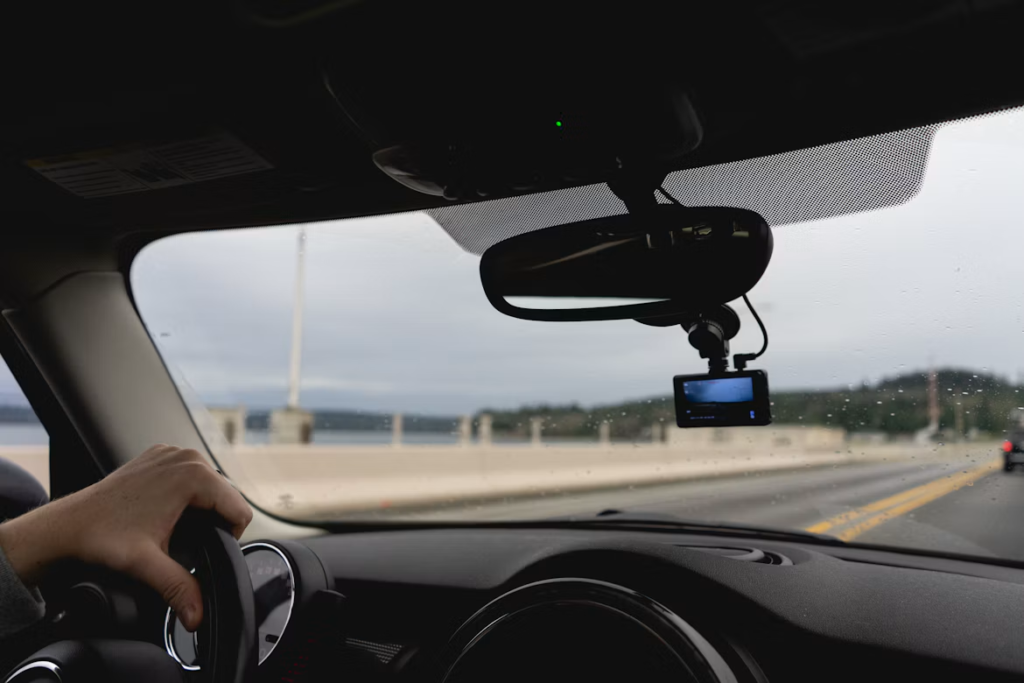
Dashcams have changed how drivers, insurers and legal teams reconstruct collisions. A short video clip can preserve traffic signals, lane positions and the seconds leading up to impact long after memories become uncertain.
The broader history of dashcams also shows how compact recording systems evolved from specialized equipment into widely available consumer technology. Still, footage doesn’t settle every claim automatically. Its value depends on what the camera captured, how the file was handled and whether other evidence supports the recording.
Video Evidence in Disputed Liability
Dashcam footage can clarify disputes about right of way, sudden lane changes or the timing of a traffic light. For example, a forward-facing camera may show that another vehicle entered an intersection after the signal changed. Audio can also preserve sounds such as a horn, although interpretation may remain disputed.
Investigators compare the video with vehicle damage, witness accounts and location records. A timestamp can help build a sequence, but it may be inaccurate if the camera clock wasn’t set correctly. As this overview of technology in accident cases explains, digital records are increasingly considered alongside traditional evidence. Readers can also explore how technology is transforming crash evidence collection beyond dashboard video alone.
Common Limitations of Consumer Cameras
Consumer dashcams have practical limits. A narrow field of view may miss a vehicle approaching from the side, while glare, rain or poor lighting can obscure a license plate. Low frame rates may also make fast movement difficult to interpret. Some cameras record over old files automatically when the memory card becomes full.
Context creates another challenge. A 20-second clip might show the collision but omit conduct that occurred a minute earlier. If a serious injury claim turns on incomplete or unclear footage, speaking with a car accident lawyer can help a person understand how the recording may fit with medical records, witness statements and accident reconstruction. The original file should remain unchanged while that review occurs.
Working With a Car Accident Lawyer
Provide the original recording as early as possible, along with details about the camera model, its clock settings and how the file was copied. Avoid trimming the clip, adding captions or converting it into another format. Those changes can remove metadata or create questions about authenticity, even when the visible content looks identical.
Legal teams may examine frames before and after impact, compare landmarks with road measurements and coordinate with reconstruction specialists. They can also request other digital evidence, such as nearby surveillance footage, before routine deletion policies erase it. Keep a written record of who received each copy and when. That simple chain of custody can help establish that the file presented later matches the recording taken from the device.
Best Practices for Storing Footage
Protect the original file immediately after a collision. Remove the memory card only when it’s safe, then use the camera’s instructions to prevent automatic overwriting. Copy the entire relevant recording to two secure locations, such as an encrypted computer folder and a reputable cloud account. Keep the original filename and record its file size and creation date.
Don’t post footage on social media. Public uploads may compress the video, expose private information or encourage comments that complicate an active claim. Save any related photographs and camera manuals in the same case folder, but don’t edit the source video. A clearly labeled read-only copy gives insurers or legal professionals access while preserving the untouched original.
Dashcam footage is most useful when it remains complete, identifiable and available in its original format. After securing the file, write down the exact time, road and direction of travel while those details are still fresh. That short note may later explain a clock error or connect the recording to other evidence that surfaced after the crash.