Video has become one of the most effective ways to communicate ideas, share knowledge, and connect with audiences. From educational tutorials and business presentations to social media clips and product demonstrations, creators are using video to reach people across different platforms. However, producing visually appealing content is only part of the challenge. Making sure viewers can understand the message is equally important.
Many people watch videos in public places, during work breaks, or in environments where playing audio is inconvenient. Others rely on subtitles because of hearing difficulties or language differences. As viewing habits continue to change, subtitles have become an essential part of professional video production. They improve accessibility, support communication, and help creators deliver a clearer viewing experience.
Improving Accessibility for Different Audiences
One of the most important reasons to include subtitles is accessibility. Not every viewer experiences video content in the same way. Some people have hearing impairments, while others may struggle to understand spoken language because of accents, background noise, or unfamiliar terminology.
Subtitles provide a written version of spoken information, allowing more people to follow conversations and understand important details. They are particularly useful for educational videos, workplace training materials, and public information campaigns where clear communication matters.
Creators should also consider viewers who prefer reading while listening. Providing accurate subtitles makes content easier to follow without changing its original message. This approach supports a more inclusive digital environment and allows businesses to communicate with a wider audience.
Making Video Content Easier to Follow Without Sound
Modern viewing habits have changed significantly. People frequently scroll through social media feeds while commuting, waiting in public spaces, or taking short breaks. In these situations, watching videos with sound may not always be practical.
Subtitles help maintain communication even when audio is unavailable. A viewer can understand the main message without needing headphones or turning up the volume. This is particularly valuable for short-form videos, advertisements, interviews, and informational clips.
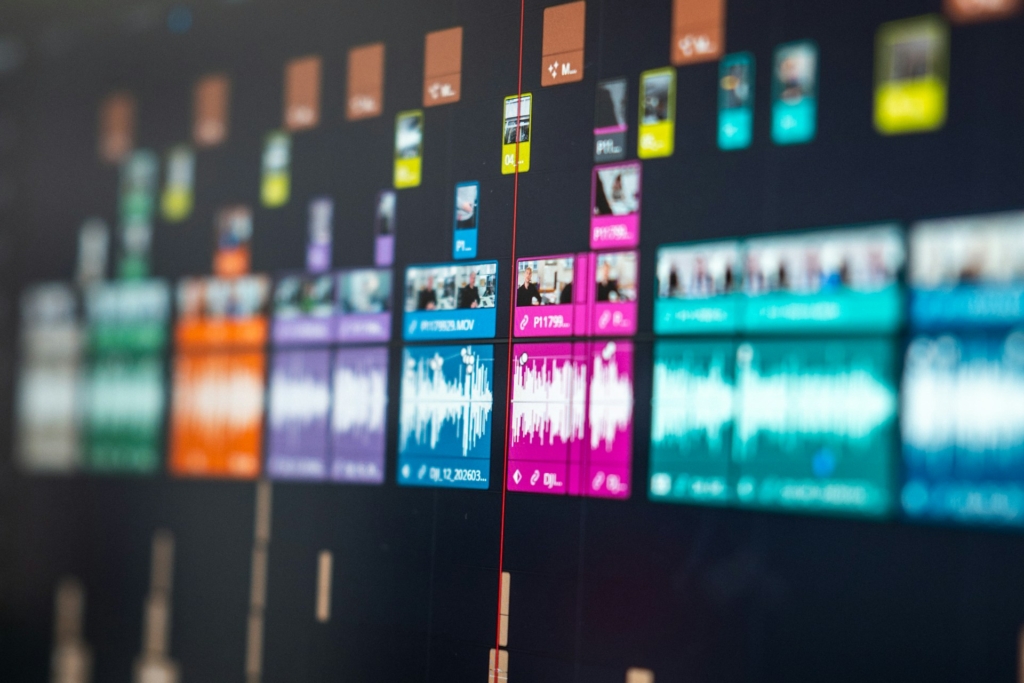
For creators who want a consistent workflow, understanding how to add subtitles to video can make the editing process more manageable. Automated captioning tools can convert spoken words into editable text, reducing the time required for manual transcription. Creators can then review the generated subtitles and adjust them before publishing.
Choosing Clear and Readable Subtitle Designs
Adding subtitles is not enough if viewers cannot read them comfortably. Poor font choices, small text, and distracting animations can make an otherwise professional video difficult to follow.
A clean sans-serif font is generally a practical choice because its letter shapes remain recognizable on different screen sizes. Text should be large enough for mobile viewers, while sufficient contrast between the letters and background helps maintain readability.
Placement also deserves attention. Subtitles are commonly positioned near the bottom of the screen, but creators should avoid covering important visual information, product demonstrations, or on-screen graphics.
Consistency is another important factor. Using similar fonts, colors, spacing, and positioning throughout a video creates a polished appearance. The objective should always be to support the message rather than distract viewers with unnecessary visual effects.
Why Accurate Subtitles Require Human Review
Artificial intelligence has made subtitle generation faster and more accessible. Modern editing tools can recognize speech, generate text, and synchronize captions with audio in a relatively short time. This can be particularly helpful for creators who regularly produce interviews, tutorials, podcasts, and educational content.
However, automatic transcription is not always perfect. Unusual names, technical terminology, regional accents, and background noise can cause mistakes. Even a small transcription error can change the meaning of an important statement.
For this reason, human review remains an essential part of the process. Editors should check spelling, punctuation, speaker changes, and synchronization. They should also make sure captions accurately represent the spoken content rather than unnecessarily rewriting it.
Subtitles as Part of a Long-Term Video Strategy
Subtitles should be considered during the planning and production stages rather than treated as an afterthought. When creators prepare scripts, record clear audio, and leave enough visual space for captions, the editing process becomes more straightforward.
They can also help businesses adapt existing content for different audiences. A recorded presentation, for example, can be repurposed into shorter clips with subtitles for social media, while educational recordings can become more useful learning resources.
This flexibility allows organizations to get greater value from their video investments. It also supports communication across different devices, viewing environments, and audience preferences.
Conclusion
Video production continues to evolve, but the importance of clear communication remains unchanged. Subtitles help creators make their content more accessible, understandable, and suitable for modern viewing habits. They also provide practical benefits when audiences watch without sound or need additional support following spoken information.
Technology has simplified subtitle creation, but quality still depends on thoughtful design, accurate transcription, and proper timing. Creators who combine efficient editing tools with careful human review can produce more professional results without making their workflows unnecessarily complicated.
As digital audiences become increasingly diverse, subtitles will remain an important part of effective video communication. Making them a standard element of production is a practical investment in content quality, accessibility, and long-term audience reach.