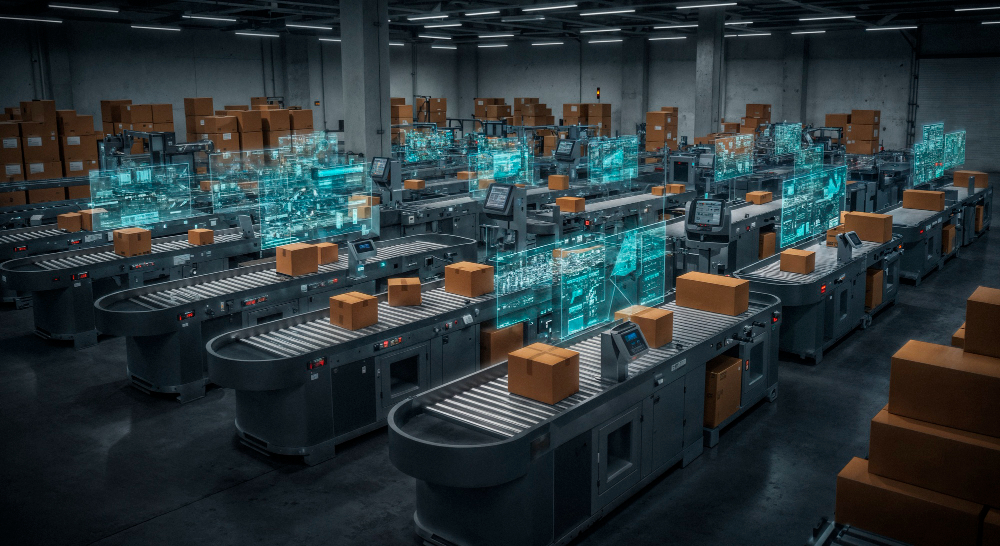
Have you ever stepped into a distribution center? If yes, you might have noticed the rhythm of work. Conveyors glide, forklifts move with precision, and pallets shift from dock to truck in seconds. However, when one small part breaks, the rhythm vanishes! Machines stop, orders back up, and the cost of lost time grows by the minute. In an environment where speed and accuracy are paramount, reliability becomes the quiet engine of success.
That said, many operators are turning to CMMS for distribution centers, i.e., computerized maintenance management systems that give structure to all maintenance work. They track every task, repair, and part in one place so nothing gets missed. CMMS is not about technology replacing people; it’s about helping teams stay organized when the workload never slows down.
How Disorganized Maintenance Slows Work Down
In many warehouses, maintenance still relies on manual records or paper documents. Someone hears a noise, makes a note, and hopes that someone else will follow up on it. Those small gaps add up. When a minor fault turns into a shutdown, dozens of workers stand still while deadlines slip.
A CMMS transforms maintenance from an afterthought into a routine shared by all. Work orders are logged, scheduled, and visible to everyone. Technicians know what needs attention, and managers see what’s overdue. With that clarity, downtime shifts from a surprise to a scheduled event, and productivity stops relying on luck.
The Role of Regular Maintenance in Reliable Operations
Perfection isn’t realistic in a warehouse. Things break, parts wear out, and demand never waits. What matters is predictability. When maintenance follows a clear pattern, you avoid the ripple effects of unexpected breakdowns.
A CMMS brings that rhythm. It automates preventive tasks, reminds teams about inspections, and stores service histories for each asset. Over time, it reveals patterns. Perhaps a conveyor requires bearing replacements sooner than expected, or a dock leveler consistently fails under heavy loads. These insights enable teams to plan smart fixes before costly breakdowns occur. The result is steadier throughput and fewer emergencies.
Minor Fixes That Keep Things on Track
Improvements start small but have a significant impact over time, as shared below.
- Faster repairs: Work orders are routed to the right technician immediately.
- Better inventory control: Spare parts are tracked, reordered, and ready when needed.
- Clear communication: Operators and maintenance crews share the same data, rather than exchanging notes.
- Accurate history: Every job, part, and verification is logged for future reference.
Each small win shortens delays, protects schedules, and keeps machines available when they are needed most. Over the course of a whole week or month, those minutes saved translate to improved throughput and fewer overtime hours.
The Role of People in Reliable Maintenance
Even the best system relies on the people who use it. A CMMS helps, but it doesn’t replace skill or attention. CMMS gives teams a clearer view of their work. Thus, operators can report problems early, technicians can plan repairs more efficiently, and supervisors can balance workloads before burnout sets in.
When everyone sees the same information, accountability grows naturally. Maintenance stops being “someone else’s problem” and becomes part of daily teamwork. Shared ownership fosters a culture of reliability, one where the goal is prevention, not firefighting!
Starting Small and Scaling Smart
Adopting a new maintenance system doesn’t have to be complex. The best results come from starting small. Please select the assets that cause the most disruption, such as conveyors, forklifts, or dock equipment, and start there. Track every issue, schedule recurring checks, and measure downtime.
After a few weeks, you will start noticing trends. Perhaps a single machine is responsible for half of your delays, or specific shifts close more work orders than others. With this data, leaders can make informed decisions based on evidence rather than speculation. It’s easy to expand to other areas or facilities once you’re at ease with the procedure. The key is staying consistent.
Why Preventive Maintenance Now Matters More Than Ever
Logistics operations today are under more pressure than ever. Same-day shipping, fluctuating demand, and labor shortages leave little room for error. Ten minutes of unplanned downtime on a sorter can result in hundreds of late packages. That’s why predictable maintenance is no longer optional; it’s crucial.
Preventive systems give teams breathing room. By reducing emergency calls and repair delays, workers stay safer and more focused. Reliable equipment also supports sustainability goals by extending asset life and reducing waste. In a world that values efficiency, prevention is the most practical path forward.
The Bottom Line
When maintenance runs smoothly, most people don’t notice, and that’s the point! The conveyors keep moving, shifts end on time, and customers get what they expect. Behind that calm are systems and people working in sync, catching small problems before they turn into bigger concerns.
A CMMS makes this coordination easier. It brings structure, visibility, and predictability to a fast-moving environment. In distribution, where every minute counts, this steady rhythm helps turn reliability into a competitive advantage.