Smartphones have dominated personal technology for more than a decade. They combine communication, productivity, navigation, and entertainment into a single device that fits in a pocket.
Yet the landscape is shifting. Innovation is increasingly focused on devices that extend beyond the traditional phone form factor, blending portability with specialized functionality and deeper integration into daily life.
Tablets and Hybrid Devices That Expand Mobility
Tablets remain central to the evolution of portable computing. iPads, in particular, have matured into tools capable of handling creative work, note-taking, media editing, and professional communication.
Protecting these larger portable screens is essential, especially for users who move between offices, classrooms, and travel environments. Quality iPad cases provide impact resistance and support features such as adjustable stands or keyboard attachments without sacrificing portability.
Hybrid devices that combine tablet flexibility with laptop productivity are becoming more common. Detachable keyboards and stylus compatibility allow users to shift between consumption and creation modes quickly.
Battery life and weight remain critical design considerations. Devices that can operate throughout a full workday without constant charging are more aligned with modern mobile expectations.
The Rise of Smartwatches and Health-Focused Wearables
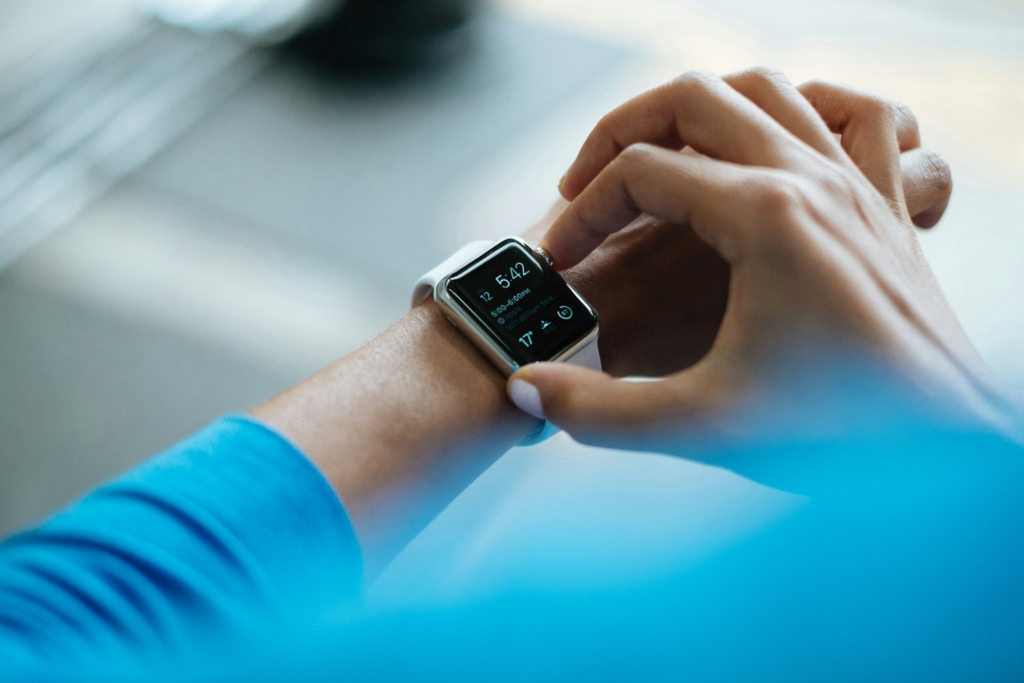
Wearable technology has moved from novelty to practical utility. Smartwatches now support notifications, navigation, and contactless payments while remaining compact and wrist-mounted.
Health monitoring is one of the most visible areas of growth. Many wearables track heart rate, sleep patterns, and physical activity, offering users insight into daily habits.
Battery efficiency, water resistance, and durable materials are also shaping design priorities. Wearables must withstand daily wear without compromising comfort.
Augmented Reality and Smart Glasses
Augmented reality devices are steadily advancing. Smart glasses aim to overlay digital information onto the physical world without requiring a handheld screen.
Navigation cues, real-time translation, and contextual notifications are among the use cases being explored. These capabilities could reduce dependence on constantly checking a phone.
The success of such devices depends on lightweight construction and intuitive interfaces. Bulky or distracting hardware limits adoption in everyday environments.
Audio Wearables and Ambient Computing
Wireless earbuds and open-ear audio devices are evolving into more than music accessories. They now integrate voice assistants, call management, and contextual audio prompts.
This shift reflects a broader trend toward ambient computing. Devices operate in the background, providing assistance without requiring constant visual attention.
Hands-free interaction allows users to stay engaged with their surroundings. This is particularly relevant in environments where visual focus must remain on physical tasks.
Portable Gaming and Entertainment Devices
Portable entertainment hardware continues to expand beyond phones. Dedicated handheld gaming consoles offer high-performance graphics in compact formats.
Streaming devices and lightweight projectors are also entering the portable space. These tools enable flexible media consumption without being tethered to a fixed setup.
Advances in battery technology and display efficiency support longer sessions on smaller devices. Improved chipsets allow portable systems to handle more demanding applications.
Connectivity and the Role of Edge Computing
Portable devices increasingly rely on fast, stable connections. 5G networks and expanding WiFi capabilities allow wearables and tablets to sync data quickly.
Edge computing is also shaping the future. Processing data closer to the device reduces latency and improves real-time responsiveness.
This is particularly relevant for augmented reality and health monitoring tools. Lower latency enhances user experience and reliability.
Sustainability and Design Responsibility
As portable and wearable devices proliferate, sustainability becomes a critical concern. Consumers are paying closer attention to material sourcing and device longevity.
Repairability and software support cycles influence whether devices remain functional for years. Extended update commitments help reduce electronic waste.
Manufacturers are also experimenting with recycled materials and modular designs. These efforts aim to balance innovation with environmental responsibility.
Where Portability Is Headed Next
The future of portable devices and wearable technology is defined by integration rather than replacement. Phones will not disappear overnight, but they may become central hubs surrounded by specialized companions.
Devices are becoming more context-aware, more health-focused, and more seamlessly connected. The emphasis is shifting toward subtle assistance rather than constant screen interaction.
As hardware shrinks and capabilities expand, portability will be measured less by size alone and more by how naturally technology fits into daily routines. The next wave of innovation will likely feel less intrusive and more embedded in everyday life.