The vacation rental key under the flowerpot is becoming a thing of the past. Connected technology has made its way into short-term accommodation, covering everything from how guests get through the front door to how they control the temperature at night. Some features are genuinely useful. Others may leave you wondering why the light switch needed an app. Either way, technology is becoming part of the accommodation search.
Look Beyond the Usual Amenities
From keyless entry and automated lighting to high-speed internet, short-term rentals are increasingly incorporating connected home technology into the guest experience. Digital check-in and smart home conveniences can remove some of the small hassles that come with arriving somewhere unfamiliar. Finding these features across different travel sites isn’t always straightforward, which is where accommodation search tools can help. Browsing cozycozy rentals gives travelers a way to compare properties across booking networks and look for useful amenities such as dedicated workspaces, high-speed Wi-Fi and security features.
It’s still worth reading the full property description. Not every technology feature will appear neatly under an amenities filter.
Keyless Entry Solves a Familiar Problem
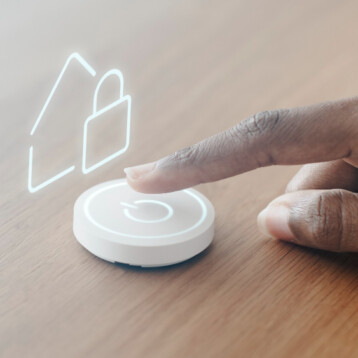
Anyone who’s arrived late at a rental and then had to arrange a key handover can see the appeal of digital access. Keyless systems can let guests enter with a code or another form of electronic access. There’s no physical key to collect, and groups don’t necessarily have to share one copy between everyone.
The important part is knowing how it works before you arrive. Save the check-in instructions somewhere accessible. Standing outside at midnight while searching through old emails isn’t the start anybody planned for their vacation.
Climate Control Can Make Arrival Nicer
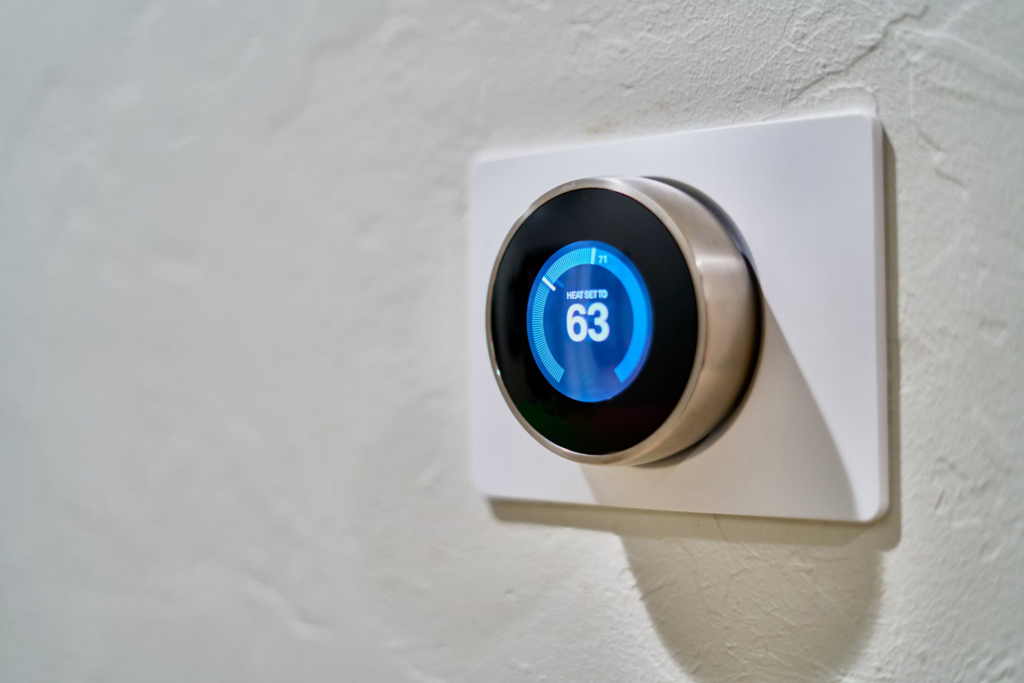
Connected thermostats can help property managers control heating and cooling when a rental is empty. They can also give guests straightforward temperature control during their stay. That can be particularly useful when arriving after a long journey.
Of course, controls should be easy to understand. Nobody wants to spend 20 minutes investigating a wall panel because the bedroom is too warm. Good technology should remove small inconveniences, not create new puzzles.
Wi-Fi Has Become a Basic Question
Reliable internet isn’t only for people taking their work on vacation. Families stream entertainment, travelers research tomorrow’s plans and international visitors use online services to keep in touch with home. If several people are staying together, they’ll probably have multiple connected devices running at once.
Remote workers need to look a little closer. A listing saying Wi-Fi is available doesn’t tell you whether the connection is suitable for a day of video calls. Recent guest reviews can sometimes provide useful clues.
Smart Features Bring Privacy Questions
A connected rental deserves the same common sense you’d use with technology at home. Travelers should be told about security devices and other monitoring technology associated with a property. If something feels unclear, ask before booking.
Guests also don’t need to connect every personal account to every smart device they encounter. If you do sign into an approved entertainment service during a stay, remember to sign out before leaving. It’s an easy thing to forget while packing.
Final Thoughts
Smart technology can make a vacation rental easier to use, but the best features are usually the practical ones. Reliable internet, simple entry and understandable climate controls can remove friction from a trip. Complicated technology for its own sake isn’t nearly as useful.
So check the amenities, read recent reviews and make sure the basics still work. A smart vacation home should leave you thinking about the vacation, not troubleshooting the house.