Nvidia is no stranger to the world of computer graphics cards. Ever since releasing its first graphics accelerator, the NV1, in 1995, the company has remained a mainstay in the hardware space.
Now operating as one of the few surviving graphics card companies, Nvidia dominates the graphical processing unit market with a 94% market share in the discrete space. Nvidia also stands today as the first company to break a $5 trillion market cap, in no small part thanks to investment in AI hardware and infrastructure.
The most recent hardware release from Nvidia is the 5000 series of cards, expected for a late 2026 refresh with the long-running Super line. More interesting to most business users, however, is the inevitable next-generation 6000 series. Leaks from a reliable source slate the release date of these cards as sometime in late 2027. So, what can businesses expect from this generation of cards, and how necessary might they become for graphics and AI software systems?
Graphics and AI Tasks
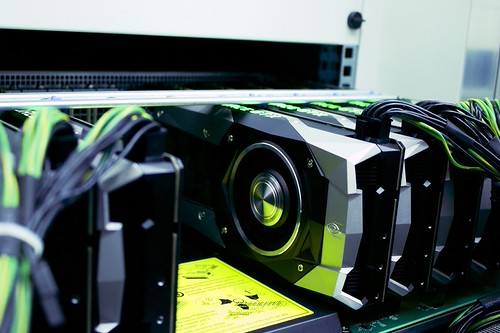
As is typical with each new generation of GPUs, faster hardware and increased AI support are likely to form the backbones of the 6000 series. Outside of gaming, the biggest advantages of these systems are likely to come from video rendering and 3D modeling software. With modern 4K standards, these activities can already push the fastest GPUs of today, so the next generation is likely to alleviate some existing bottlenecks.
The benefits that the new series might offer for AI uses are more mixed. Nvidia’s architecture is better suited to AI applications than most other hardware, which is especially true with current higher-tier 4080, 4090, 5080, and 5090 cards. These can serve as a powerful basis for business-wide generative models, research projects, and diffusion workloads. Not all AI systems are hosted locally or are especially demanding, however.
Many contemporary CRM and marketing automation platforms, for example, incorporate AI functionality as a part of their data-driven automation systems. This includes elements like customer engagement tools, featuring more than a billion different forms of automated messaging, and 500 million types of daily events. These powerful systems do leverage AI to a deep degree, but they don’t require the level of AI hardware required for something like training neural networks. Additionally, many forms of AI in business are hosted offline, significantly reducing requirements on local hardware.
The Issue of Cost
Graphical and AI processing will undoubtedly see more demand in the future, but a question remains of whether this could justify the cost of 6000 series hardware. With the exception of the 2018 TITAN RTX, the real price of the top tier of Nvidia cards has been growing since 2015. Factor in recent increases in RAM costs of hundreds of percent and the desperate need for newer cards to increase RAM sizes, and the 6000 series is lining up to be the most expensive yet.
Ultimately, the likely inevitable speed advantages of the 6000 series will need to be weighed against a just as likely inevitable price hike. While the new cards should be watched closely in case of changes in the RAM market, better deals right now might be found in older 4000 and 5000 releases, at least for SMEs.