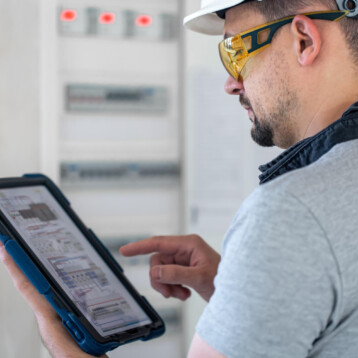
Manufacturing plants across North America are undergoing a quiet technological evolution. Traditional plastic fabrication relied heavily on operator intuition, manual quality checks, and scheduled machine maintenance. Today, high precision manufacturing relies on real time data collection, automated parts handling, and sophisticated polymer chemistry. The convergence of these three disciplines turns plastic processing from a reactive trade into a predictive science.
As industrial buyers demand tighter tolerances and lower defect rates, production facilities must adapt. Modern production plants integrate digital tools at every step of the process. From raw resin selection to final packaging, smart factories use continuous feedback loops to ensure consistency across millions of identical units.
1. Real Time Cavity Pressure Sensors Optimize Quality Control
In traditional manufacturing, technicians discovered part defects after cooling cycles completed. Modern smart molding changes this dynamic completely by placing piezoelectric sensors directly inside the mold cavity. These sensors measure internal pressure, wall temperature, and resin flow fronts in real time during the injection stage.
If viscosity shifts due to subtle ambient temperature changes, the machine controller instantly adjusts hydraulic or electric pressure. This immediate correction prevents common defects like sink marks, flash, and incomplete mold fills before parts ever drop onto conveyor belts. Working with an experienced North Carolina injection molding partner allows regional brand owners to benefit from these sensor driven feedback systems for high volume production runs. A specialized plastic injection molding company North Carolina industrial sectors depend on can maintain zero defect standards for complex geometric components.
Situated in key industrial hubs like Greensboro, advanced facilities offer rapid turnaround times for commercial clients across the Southeast. Local proximity paired with digital monitoring tools ensures that engineering changes and quality adjustments happen instantly on the factory floor.
2. Automated Robotic Arms Accelerate Cycle Times and Protect Tooling
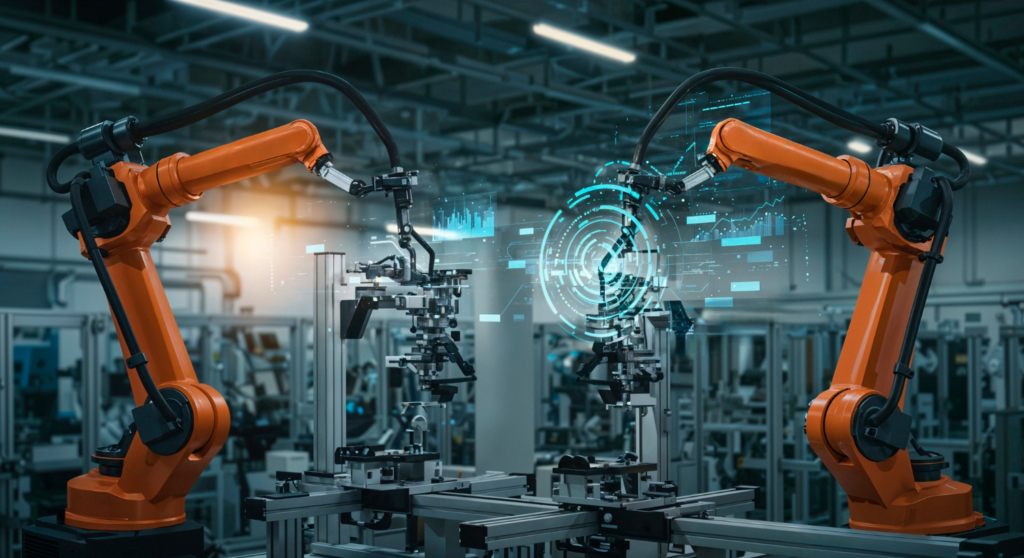
Robotic integration extends far beyond basic part extraction. High speed six axis robotic arms and articulated gantry systems handle delicate tasks with exact spatial accuracy. Automating post molding tasks protects expensive tooling while maintaining steady cycle timing. Automated systems execute several vital steps on the plant floor:
• Extracting warm parts from molds without distorting critical surface features
• Placing metallic inserts into mold cavities prior to plastic injection
• Trimming sprues and runner systems with high precision laser attachments
• Stacking and organizing finished components for automated vision inspection
• Applying protective packaging materials before transportation to warehousing areas
Eliminating manual handling reduces part contamination and physical damage. Constant cycle timing keeps mold temperatures stable, which leads to predictable part shrinkage and consistent overall dimensions. Operators shift their focus from repetitive physical labor to supervising automated cells and analyzing production metrics.
3. Advanced Polymer Blends Expand Performance Boundaries
Materials science forms the foundation of modern plastic engineering. Resin manufacturers continually develop engineered polymers that replace heavier die cast metal components in automotive, medical, and aerospace applications. Adding carbon fibers, glass spheres, and ceramic fillers enhances tensile strength and thermal stability. Selecting the right material requires evaluating operational demands:
• High performance polyamides handle continuous engine bay heat without degrading
• Bio based polymers lower carbon footprints without sacrificing mechanical integrity
• Medical grade elastomers withstand rigorous sterilization cycles in healthcare settings
• Flame retardant thermoplastics satisfy strict electrical safety standards for consumer appliances
• Conductive compounds prevent static electricity accumulation in sensitive electronics
Working with an established plastic injection molding company North Carolina engineers collaborate with ensures that material formulations match specific application requirements without exceeding unit cost goals. Proper material selection prevents premature component failure under stress.
4. Artificial Intelligence Predicts Equipment Maintenance Needs
Unplanned machine downtime damages production schedules and increases manufacturing expenses. Smart manufacturing facilities install vibration, heat, and electrical current monitors across injection presses and hydraulic pumps. Artificial intelligence algorithms analyze this operational telemetry to detect early signs of mechanical wear.
Predictive maintenance systems alert service teams long before catastrophic component failure occurs. Instead of pausing production during busy shifts, technicians schedule minor repairs during planned downtime windows. Continuous monitoring protects valuable molds, prevents sudden pressure drops, and preserves consistent shot weights across continuous production schedules.
Factory managers track historical equipment performance to refine operational schedules. Machine learning models identify subtle performance drifts that human operators miss, ensuring presses operate within optimal efficiency ranges continuously.
5. Closed Loop Optical Inspection Eliminates Defective Shipments
Manual visual inspection catches obvious defects, but human fatigue creates inconsistency over long production shifts. High resolution vision systems powered by machine learning algorithms inspect every single part in real time. Cameras capture high speed multi angle imagery as components move along conveyor belts. Optical inspection platforms evaluate critical parameters instantly:
• Verifying precise hole diameters and wall thickness dimensions
• Identifying microscopic surface scratches, burns, or color variations
• Detecting internal void spaces using infrared sensor technology
• Sorting compliant components from non conforming inventory automatically
• Logging defect trends to alert process engineers about tooling wear
Partnering with a reliable plastic injection molding company North Carolina buyers choose guarantees that non conforming items never enter the supply chain. Automated inspection provides complete traceability for regulated industries like medical device manufacturing.
6. Energy Efficient Electric Presses Reduce Carbon Footprints
Older hydraulic injection presses consumed large amounts of electrical energy to maintain constant fluid pressure. The transition toward all electric and hybrid press technology marks a major sustainability breakthrough for industrial manufacturers. Electric servo motors operate only when movement occurs, drastically reducing power consumption during cooling phases.
Electric presses offer superior repeatability alongside environmental benefits. Servo driven ball screws deliver precise platen positioning down to fractions of a millimeter. Lower energy requirements help regional facilities reduce operational overhead, allowing a plastic injection molding company North Carolina businesses rely on to offer competitive pricing while meeting corporate sustainability mandates.
Reduced oil consumption also eliminates hazardous fluid waste disposal issues. Cleaner operating environments make electric presses ideal for cleanroom applications and sensitive medical part production.
7. Digital Twins Streamline Tooling Design and Prototyping
Building physical steel or aluminum molds represents a significant capital investment. Smart manufacturing uses digital twin technology to simulate the complete injection process virtually before cutting metal. Computer aided engineering software models resin flow, thermal dissipation, and structural stress points. Virtual simulation identifies potential manufacturing flaws during early design stages:
• Spotting weld lines and air traps in complex geometry
• Optimizing gate placements for balanced cavity filling
• Calculating exact cooling channel layouts to prevent part warping
• Testing structural stress under simulated operating loads
• Estimating exact cycle times and material consumption rates accurately
Refining mold designs in virtual environments saves thousands of dollars in physical rework costs and reduces time to market by several weeks. Product designers iterate rapidly without risking physical tooling assets.
The Future of High Precision Manufacturing
The integration of real time sensors, automated robotics, advanced materials, and predictive analytics has permanently transformed plastic processing. Modern manufacturing relies on data driven certainty rather than trial and error adjustments. Facilities that embrace these connected technologies deliver exceptional quality, rapid turnarounds, and cost efficiency across demanding market sectors. For regional brand owners and original equipment manufacturers, adopting smart injection techniques ensures long term competitive advantages in an increasingly demanding global economy.