The internet has helped to unite would-be tourists with a vast range of deals and opportunities. But the rush for cheap hotels and flights might cause many of those tourists to fall victim to online scams.
Scammers use a variety of techniques and strategies to ensnare unwitting holidaymakers. But what form do these take, and how might a user detect and avoid them? Let’s take a look at some principles worth considering.
Too Good to Be True? Spotting Fake Travel Deals
Scammers often seek to attract people’s attention by offering something desirable. You might find your attention drawn to the offer of a cheap flight to a desirable destination, especially when demand is high. There have been many scams around events like the World Cup, for example.
The old advice applies, here: if an offer appears too good to be true, then it probably is. Look for warning signs like attractive pricing and time-pressure tactics. If you’re being urged to act quickly, then you risk being coerced into acting recklessly.
Phishing Emails and Impersonation Scams
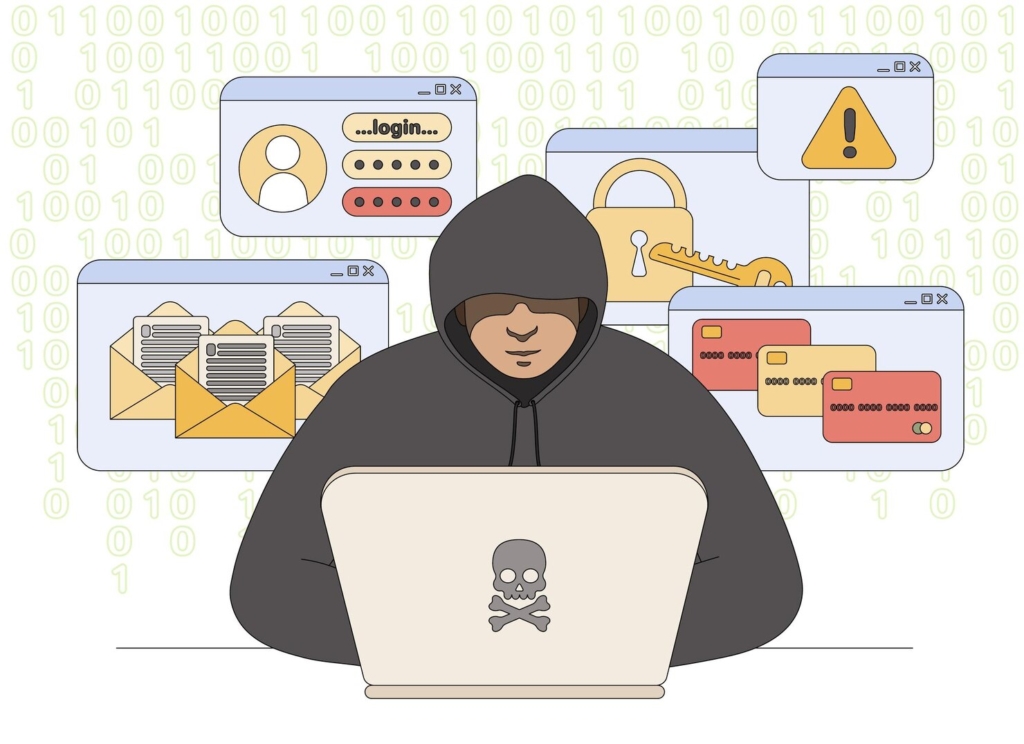
Phishing is the practice of tricking a user into surrendering personal information, like bank details, through online messages. Cybercriminals might mimic an airline in order to get you to ‘confirm’ your payment details.
The bad news is that, thanks to AI and big data, criminals are able to do this very convincingly. As such, it’s worth being especially cautious. Consider the address the email came from, and the attachments it came with.
Unsafe Connections: Public Wi‑Fi and Data Risks
When you log onto public WiFi, you run the risk of a cybercriminal either interposing themselves between your machine and the router ( a ‘man in the middle’ attack), or setting up their own hotspot and posing as a benign network (an ‘evil twin’ attack).
Make sure that you verify the name of the network to which you’re connecting. Don’t connect to sensitive services, like banks, over public WiFi. You might also consider encrypting every package that you send. A VPN Mac or PC client might help you to do this well.
Practical Steps to Protect Your Travel Plans
There are a number of simple precautions worth considering. To begin with, you might enable multi-factor authentication. This provides additional layers of security, on top of your password. It’s also essential that you enable automatic updates for your operating systems and browsers. Generally speaking, the more cautious you are when it comes to your online behaviour, the less likely you are to run into trouble.