Foam. Plastic. A chin strap. That’s basically what a motorcycle helmet looked like for the better part of a century, and it did exactly one job — cushion the blow after everything already went wrong. Nobody complained, because nobody knew any different. Then chips got small enough, batteries got light enough, and suddenly a helmet could see, hear, and talk back. Not sci-fi. Actual gear, sold right now, worn by actual riders navigating actual traffic.
The Blind Spot Nobody Talks About Until It’s Too Late
Ride through downtown LA at rush hour and count how many times a car edges into the lane without checking. Lost count already? Yeah, that’s the problem every rider knows in their gut but rarely says out loud — human necks only turn so far, mirrors only show so much, and by the time a threat registers, there’s maybe half a second to react.
Forcite’s MK1S helmet tackles this with a rear camera feeding a live view straight onto the visor, so checking six o’clock doesn’t mean twisting the spine mid-lane-split. Jarvish went a similar route with its X-AR model, layering radar-based blind spot alerts on top of an augmented reality display, basically giving the rider a second set of eyes that never blink.
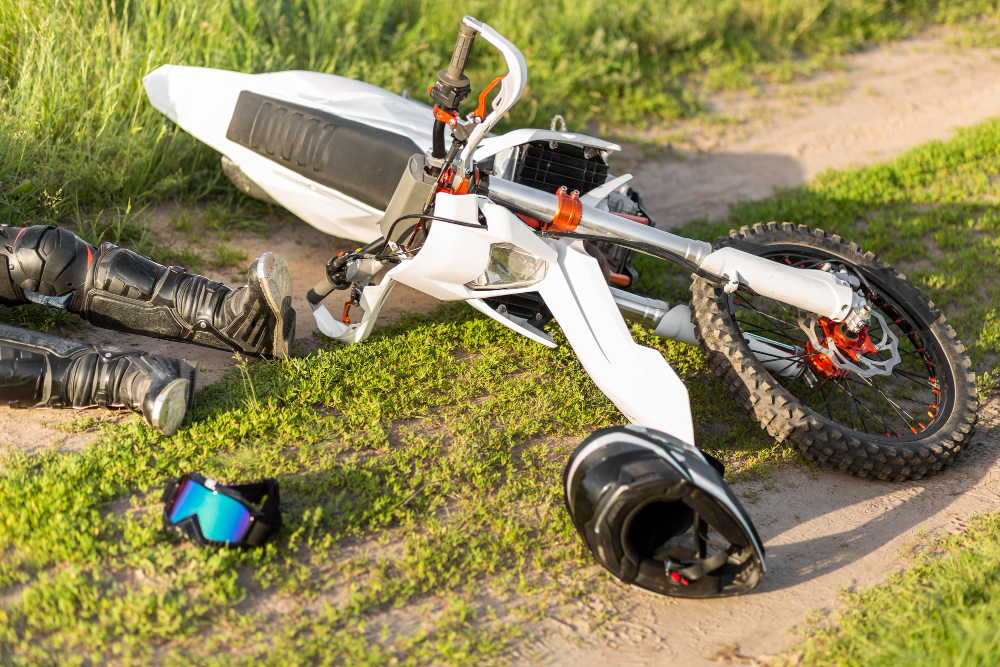
None of that stops a driver from glancing at a text instead of a mirror, though. That’s the part hardware can’t fix. And when that inattentive driver clips a rider anyway, the footage and sensor logs sitting quietly in the helmet’s memory become the whole case. A motorcycle accident attorney Beverly Hills riders actually call after a wreck knows exactly how to pull that data out and turn it into something a jury or an insurance adjuster can’t argue with. Recorded seconds beat memory every single time.
HUD Screens That Don’t Turn Riders Into Zombies
Sounds risky on paper, right? Strapping a screen inside a helmet feels like inviting distraction into the one place it absolutely can’t go. Fair worry. But look at how these systems actually get built.
Jarvish’s display sits low, barely creeping into peripheral vision, showing speed and turn arrows without ever blocking the road itself. Forcite runs the same philosophy — minimal icons, quick glance, gone. Nothing lingers long enough to steal focus.
A few things these HUD setups tend to share:
- Navigation cues shrink down to arrows, not full maps demanding a second of study
- Speed readouts sit at the bottom edge, readable without a real eye movement
- Hazard pings flash and disappear instead of sticking around and nagging
Fighter pilots have used this trick for decades — information without dropping the horizon line. Bikes just caught up. A rider checks a turn the same way they’d check a speedometer on a regular helmet. Half a second, done, eyes back on the asphalt.
Crash Detection Doesn’t Wait For Permission
Here’s where things get genuinely life-saving. Accelerometers packed into the shell track motion constantly, and when a sudden stop pairs with an abnormal spin — the signature of a rider going down — the system doesn’t sit around waiting for someone to press a button.
Damon Motorcycles built HeadCheck into its bike platform with this exact logic, and helmet makers like Sena chase the same idea through app-connected crash alerts. No response within a short window, and a distress signal fires off with GPS coordinates attached, straight to emergency contacts or dispatch. A rider knocked unconscious on a shoulder at 2 a.m. isn’t reaching for a phone. The helmet already made that call for them.
Ask any paramedic how much those first few minutes matter after a high-speed spill. That’s the entire pitch right there.
What Riders Actually Use These Helmets For Day To Day
Funny thing — a lot of the real value shows up nowhere near an actual crash. Riders treat the built-in cameras the way truckers treat dashcams, just constant, quiet documentation of everything happening around them.
- Catching a driver blowing a red light or drifting across two lanes without signaling
- Settling an insurance argument where it’s one story against another
- Flagging a pothole or debris pile for the city, with timestamped proof attached
CrossHelmet’s X1 pushed rider-to-rider communication into the mainstream a few years back, letting a group talk hands-free without shouting through wind noise. Sena’s mesh intercom does something similar across bigger packs. A lane change gets a heads-up before it happens instead of after. Nobody’s squinting at hand signals in a side mirror anymore, trying to guess what the guy three bikes back is on about.
Where This Is All Heading Next
Current gear is just the opening act. The next wave leans hard into prediction — not reacting to danger, spotting it before it fully forms.
Teaching Helmets To Read Traffic Like A Veteran Rider
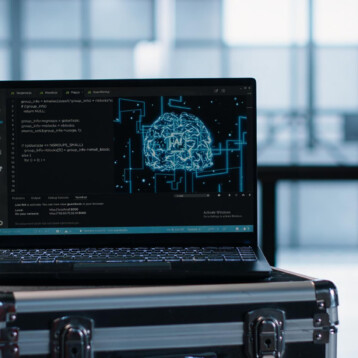
Machine learning models trained on mountains of near-miss footage are starting to catch patterns experienced riders learn only through years of close calls. A car drifting slightly before a merge. A pedestrian angling toward a curb while staring at a phone screen. Small tells, easy to miss on a tired commute, exactly the kind of thing an AI system watching nonstop won’t blink at.
Pair that with predictive braking — where onboard systems calculate a collision path and prep the bike’s response before the rider even flinches — and the line between rider and machine starts blurring in a genuinely useful way.
Does any of this replace actual riding skill? Not a chance, and it shouldn’t try to. Good instincts stay the foundation no matter how smart the gear gets. What changes is the margin for error. Fewer moments where a split-second reaction just isn’t fast enough. That’s the whole point, honestly — smarter helmets, fewer trips to the ER, more actual riding.