

The apparent simplicity of delivery, shipping involves many important nuances. The procurement and delivery of goods is a complex mechanism that involves suppliers, carriers, storage facilities, modes of delivery, and other factors. In addition, costs, expenses, customer satisfaction, and inventory levels are also affected by the details of distribution. Fortunately, such issues can be avoided by studying procurementnation.com, which provides information on sourcing, suppliers, logistics, and shipping, as well as related issues. In addition, understanding the intricacies of efficient distribution can help both the owner of the online store and the ordinary buyer in making purchases.
What Is ProcurementNation.com?
Procurementnation.com is an information website that discusses various issues related to procurement and supply chains. The website covers topics related to sourcing, suppliers, logistics, and shipping, as well as international trade, technology, and procurement. Notably, procurementnation.com views shipping as an integral part of the supply chain, and not as an isolated function. For example, when a company finds a foreign supplier offering cheap goods, the apparent savings from the low purchase price may be offset by the high cost of ocean shipping, tariffs, warehouses, and delivery time.
Understanding ProcurementNation .com Shipping
The shipping content on Procurement nation.com covers issues of transportation and logistics. In this section of the website, users can find information about carriers, freight costs, international logistics, industry trends, and much more. Such an overview is helpful both to novice buyers, in order to understand the basics of shipping and logistics, and to more experienced players in the industry, in order to keep up with logistics innovations and optimize procurement and delivery processes. One of the main points emphasized in this section is that shippers and carriers should be involved in the procurement process right from the start.
Choosing the right carrier also requires careful attention to key Shipping Service Considerations for Businesses, from delivery speed and reliability to overall costs.
Why Efficient Shipping Matters
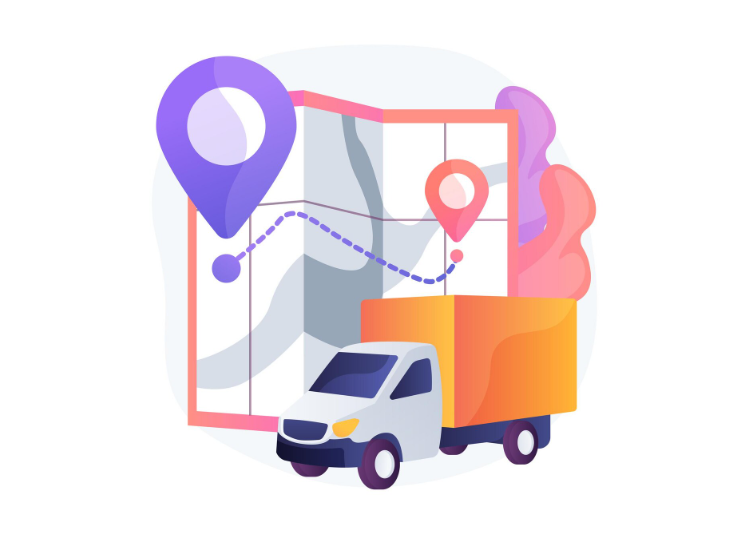
In many ways, shipping costs dictate the cost of goods. Sometimes the cheapest option may have too many drawbacks that are expensive to resolve. Thus, a discount on transportation may be canceled by the costs of waiting for a delayed shipment. It is also important to take into account the value of the product and its cost, which can be significantly different for different suppliers. Accordingly, the choice of a carrier is not only the responsibility of the logistics service but also depends on the buyer’s own capabilities and preferences.
Therefore, when choosing a carrier, businesses should weigh various factors, namely: cost, time, reliability, weight and size of the shipment, value of the goods, location of the supplier, inventory, and customer requirements. The most cost-effective method of transportation is not always the most reliable or quick one. In addition, when selecting a carrier, it is important to consider additional costs related to transportation, which can be significant.
Major Shipping Methods to Consider
One of the main decisions to be made when transporting goods is choosing a mode of transport. Depending on the chosen carrier, delivery time, costs, and efficiency are determined. Some of the leading methods of transportation are road, air, ocean, and rail transport.
Road transportation allows transporting goods from the supplier to the buyer’s warehouse or directly to the buyer’s door. The versatility and accessibility of road transportation make it one of the most popular transportation methods. However, the number of available haulage trucks and drivers, fuel prices, and traffic jams can increase costs and delay delivery.
Air transport is a rapid but relatively expensive way of transportation. Airlines make air transportation one of the most popular and accessible ways of transportation. At the same time, the use of airplanes is justified only for high-value, small-sized, and urgent shipments. The high cost of air travel makes it inaccessible for low-value and large-volume shipments.
Ocean shipping is a popular method for transporting goods by sea. It is used in international and local shipping and allows transporting large volumes of cargo at a lower price than by air. However, the use of ocean shipping entails a risk of port delays and slow loading/unloading.
Rail transportation allows transporting goods over long distances and is often used as an alternative to road transportation. However, similar to road transportation, rail transportation is seasonal and is not suitable for transporting large volumes of goods over long distances.
Understanding What Every Small Business Should Know About Freight Shipping can help businesses plan shipments, manage costs, and avoid common logistics challenges.
How to Reduce Shipping Costs
The main way to reduce shipping costs is to analyze the current costs in detail. Companies should carefully analyze their expenses in order to identify the strongest and weakest areas. One of the ways to reduce costs is to optimize the shipment and consolidate it as much as possible. In addition, comparing carriers and their prices, negotiating mutual discounts, optimizing the packing of goods, and eliminating the use of express shipping is important to study. Besides, businesses should not ignore the costs associated with the location of the supplier. In addition, although small, accessorial charges are significant and should be considered when calculating the overall cost of transportation.
Shipment Tracking and Logistics Visibility

In the current supply chain management system, companies are moving from merely “knowing that the order has been shipped” to having real-time information about the location of their inventory and being alerted of any possible delays. Shipment tracking is a great way to mitigate any unforeseen circumstances by reacting to them as quickly as possible. For example, if a manufacturer finds out about a delayed shipment of raw materials, it can plan its work schedule, inform customers about the delay, and look for alternative suppliers. However, without shipment tracking, the same company might find itself faced with a shortage of raw materials in a week.
International Shipping and Customs
International logistics and shipping are more complicated than local transportation of goods. Thus, companies dealing with international trade should be aware of many additional costs and details of the international shipping process. When importing or exporting goods, companies may encounter customs, tariffs, carriers, product classification, insurance, and other issues. In addition, international shipping companies should familiarize themselves with the Incoterms rules in order to fully understand their responsibilities and liabilities regarding the transportation of goods.
Connecting Procurement With Logistics
Although procurement and logistics are often viewed as two separate functions, they are highly intertwined and should be considered as a unified system. Thus, procurement decisions directly affect logistics and vice versa. For example, while the procurement team is ready to make a purchase, logistics may turn out to be unprofitable for the company. Similarly, the logistics team may fail to meet the delivery time requirements determined by the procurement department. In this regard, it is important to consider logistics costs when selecting suppliers and developing procurement strategies, in order to minimize procurement and logistics costs. By combining and analyzing both sets of data, companies can get a more realistic perspective of the entire supply chain rather than looking at its individual components.
Building a Resilient Shipping Strategy
In addition to optimizing costs and minimizing risks, companies must be prepared for emergency situations. Disruptions such as severe weather conditions, port closures, fuel shortages, international conflicts, supplier bankruptcies, and demand surges can affect the entire supply chain. To reduce the negative consequences of such emergencies, companies need to develop and implement a logistics strategy that minimizes the risks as much as possible by identifying weak points and developing alternative solutions. However, companies should not always have alternatives for suppliers, carriers, methods of transportation, and so on, since this will involve additional costs. Instead, businesses should prioritize supply chain links in terms of their vulnerability and impact on operations.
Beyond logistics, there are also Interesting Ways to Reuse Shipping Containers, from creative workspaces to practical storage solutions.
How Technology Is Improving Logistics
Technology has had a tremendous impact on the logistics industry, as well as on procurement in general. Transportation management systems, automated procurement systems, tracking technologies, data analysis software, artificial intelligence, and other technologies are invaluable tools for analyzing supply chains. In addition, technology helps to optimize logistics chains, monitor inventory, predict demand, plan purchases, choose carriers, track orders, and analyze supplier performance. Thus, logistics automation reduces the amount of paperwork, which gives the procurement team more opportunities to negotiate with suppliers and focus on more important tasks.
However, it is crucial to recognize the limitations of such programs. Although technology can help determine the problem, it cannot completely replace humans in logistics and procurement. In addition to analyzing and visualizing data, logistics managers still need to understand what exactly caused the imbalance and come up with a strategy to fix it.
Sustainability in Shipping
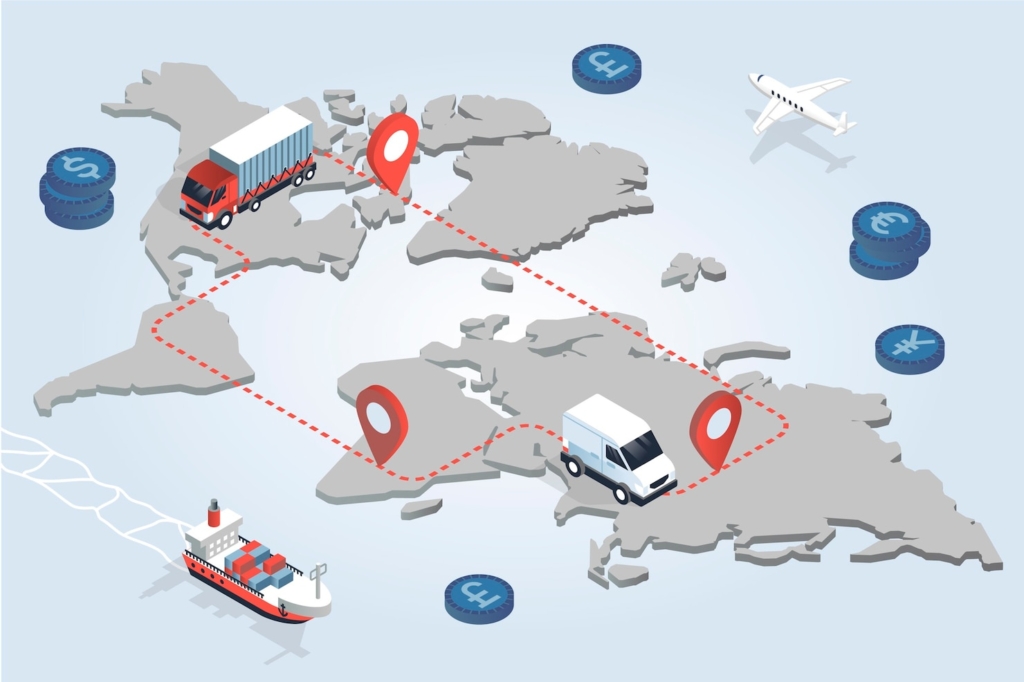
Environmental issues are becoming an increasingly important concern for the logistics and procurement industries. Emissions from aircraft and ships, inefficient transportation, and unnecessary packaging contribute to environmental problems. Therefore, logistics companies can reduce their costs and carbon footprint by optimizing transportation, reducing emissions, eliminating unnecessary packaging, and consolidating orders. Furthermore, companies should analyze and choose the most cost-effective and eco-friendly method of transportation.
The most sustainable option should also take into account the technology used by the carrier. For example, when the load is small, a truck with a smaller engine may be the best choice. Although long-distance flights are inevitable, their frequency can be reduced by consolidating orders and using alternative fuel aircraft.
Best Practices for Efficient Logistics
To operate more efficiently, companies must first study and analyze their logistics system and understand all the details that affect their performance. Thus, companies should pay attention to such indicators as the cost of transportation, delivery time, damage to goods, the performance of carriers, additional costs, and the experience of suppliers. In addition, companies should not renew contracts with the same carriers or suppliers when their performance is not satisfactory. Moreover, it is important for organizations to review their logistics data in order to find ways to improve efficiency. For example, companies that continually resort to express shipping should study this issue and look for ways to optimize the supply chain rather than spend more money on a shipping service.
Final Thoughts
Although shipping is just one component of procurement, it is an integral part of the supply chain. The selection of suppliers, the cost of transportation, the speed of delivery, and inventory levels are closely intertwined with distribution. The information from procurementnation.com can help the reader better understand the connection between these areas by familiarizing himself with the concepts of sourcing, suppliers, logistics, and international trade, as well as technology and procurement. Finally, efficient logistics allows an individual or a business to not only reduce costs but also to choose the optimal balance between speed, reliability, and cost, taking into account the peculiarities of the supply chain.