Broadcasting has come a long way since moving away from non-participative one-way analog feeds. Today, most platforms integrate a number of standards to deliver a multiview viewing experience.
The shift away from antenna-based signals to dynamic streaming is resultant on several technology-driven phases. This article explores that phenomenon and how it creates a hyper-personalized experience for fans.
The “Second Screen” Phenomenon
The “Second screen” phenomenon has had a substantial impact on how people rely on multiple informational sources, like Nostrabet, to gain access to deeper analytical insights. The use of fantasy points, shifting probabilities, and heatmaps have become standard tools for today’s sports bettor. Those tools, in combination with real-time odds, have ultimately led to players being able to act as their own broadcast director.
Given that every play in a sporting event has an impact on player props and point spreads, users are in a continuous recalculation mode. The demand for continuous recalculation is, in part, driven by advanced analytics, social connections, and traditional broadcasting channels.
Hyper-Personalized Fan Experiences
Sports leagues and media companies have taken a multitude of steps to provide fans with a hyper-personalized experience. By consuming real-time betting data and player feeds, and low-latency APIs, media companies are able to provide a customizable viewing experience.
The customizable viewing experience is achieved by AI engines like IBM Watson and cloud platforms to process that data and deliver it to consumer devices. It allows fans to customize their experience via on-screen stat overlays and personalized highlight packages.
In addition, sports leagues and media companies employ the following strategies to deliver a hyper-personalized experience:
Interactive Digital Feeds:
Media companies employ interactive digital feeds to merge live video streams with real-time statistics. They allow users to access tactical information and customize how they interact with a live sporting event.
Player-Specific Fantasy and Tracking Tools:
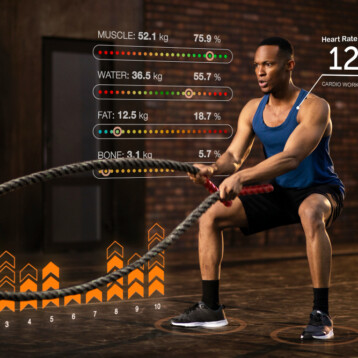
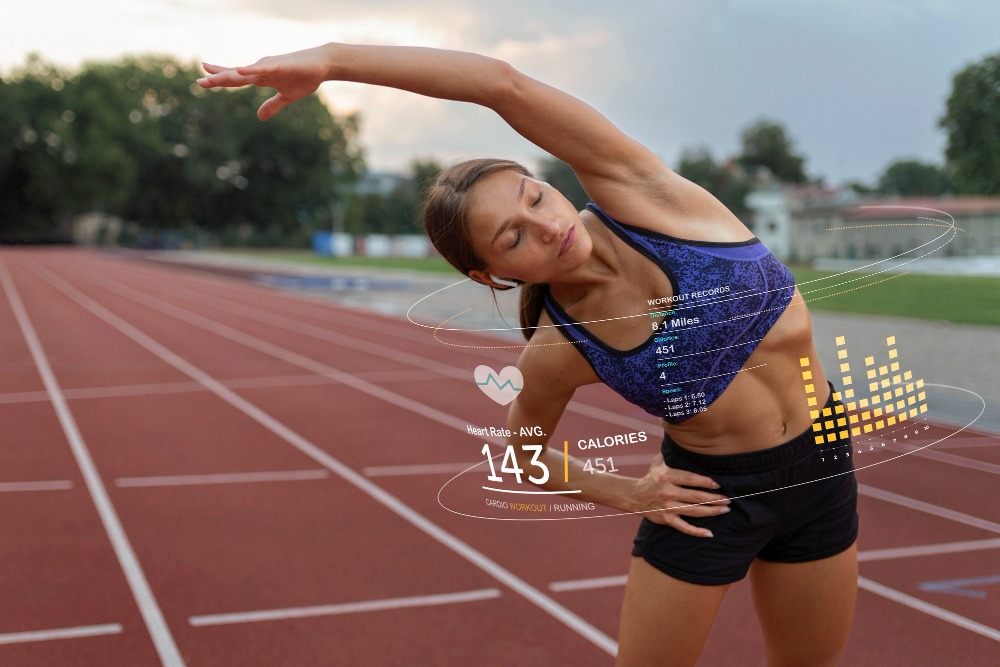
Player-specific fantasy and tracking tools are commonly employed to deliver real-time data on a sporting event. This can provide data on athlete speed, separation and distance covered, and various other live statistical milestones, such as personal fantasy rosters.
Real-Time Odds Overlays:
Media companies embed data feeds, such as Genius Sports or Opta, so that they can alternate broadcast streams. The embedded data feeds allow companies to deliver real-time betting odds, player proposition updates, and live win-probability graphs directly to a user’s device.
Conclusion
Data bridges are rapidly closing the gap between active engagement and passive viewing. By transforming the sports betting experience into a personalized, interactive digital tapestry via real-time AI insights, wearable metrics, and gamification
A substantial part of that comes from the demand for live analytics. This has caused broadcasters to implement tools such as Oracle Sports AI to deliver on-screen data. The use of on-screen data, in conjunction with fantasy and micro-betting platforms utilizing real-time statistics so that fans can earn points or place wagers on a minute-by-minute basis turns casual bettors into instant decision-makers.
Hyper-personalized content also contributes significantly in closing the gap between active engagement and passive viewing. Similar to how streaming platforms recommend shows, broadcasting organizations use data to compile analytical data on a fan’s digital behavior, viewing history, and merchandise purchases to create customized highlight reels for each user.
Automated highlights via artificial intelligence algorithms that scan sporting events also contribute toward bridging that gap. In a matter of seconds, they are able to tag them with metadata and send them to users’ mobile devices within seconds. This creates a digital loop, whether it be athlete biometric training data, behind-the-scenes documentaries, or interactive pools, that manages and targets fans both in-game and during the off-season.
The bridging of that gap and the introduction of personal content, delivered real-time stats, gamification, and social integration, and digital athlete portals ensure that sports betting fans can predict and react to sporting events around the clock, thereby changing how users watch the game.