
Total cost of ownership has quietly become one of the most decisive metrics in modern science. Equipment budgets are tighter, reagent prices keep climbing, and the value of a single irreplaceable sample can outweigh the cost of the freezer that stores it. At the center of this calculation sits a concept many researchers treat as background noise: thermal stability laboratory environments depend on every minute of every day. Whether the work involves protein assays, vaccine candidates, cell lines, or reference standards, temperature deviations translate directly into rework, lost data, and compromised reproducibility. Reducing TCO therefore is not about buying cheaper hardware. It is about engineering an ecosystem where thermal stability becomes predictable, measurable, and resilient. The following sections look at how laboratories are rethinking refrigeration architecture, monitoring strategies, and lifecycle planning to bring long-term costs down without compromising scientific integrity.
What Thermal Stability Really Means in a Research Setting

Thermal stability, in a research context, is the ability of a system, sample, or instrument to maintain a defined temperature within tight tolerances over time, regardless of external disturbances. The thermal stability definition often cited in materials science focuses on a substance’s resistance to decomposition under heat. In a laboratory, however, the term carries a broader meaning that includes equipment behavior, sample integrity, and environmental control.
The Sample-Level View
At the sample level, thermal stability determines whether biomolecules retain their native conformation. Protein thermal stability, for instance, governs whether enzymes remain active or denature during storage. A two-degree drift can shift binding kinetics, alter aggregation profiles, or invalidate an entire batch of reference material. For RNA, lipids, and live cell preparations, the margins are even tighter.
The Instrument-Level View
At the instrument level, thermal stability describes how well a chamber, incubator, or cold storage unit holds its setpoint when doors open, ambient conditions shift, or compressors cycle. Modern thermal sta control loops use variable-speed compressors, multi-zone sensors, and predictive algorithms to flatten the curve that older single-stage units could never tame.
How Thermal Instability Drives Hidden TCO

Most laboratories underestimate the financial weight of thermal excursions because the costs are scattered across departments. The freezer breakdown shows up in facilities. The lost samples show up in research. The repeat assays show up in consumables. When these line items are consolidated, thermal instability often accounts for a double-digit percentage of total operating cost.
Direct Costs
Direct costs include energy consumption, compressor wear, and refrigerant losses. A unit that struggles to hold setpoint runs longer duty cycles, draws more power, and ages faster. Over a ten-year horizon, a poorly stabilized freezer can consume two to three times the electricity of a well-engineered counterpart.
Indirect Costs
Indirect costs are harder to see but larger in magnitude. They include sample replacement, repeated thermal stability assay runs, regulatory deviations, and the opportunity cost of delayed publications or filings. A single failed dsc thermal stability measurement on a pharmaceutical candidate can cascade into weeks of requalification work.
Engineering Choices That Improve Long-Term Stability
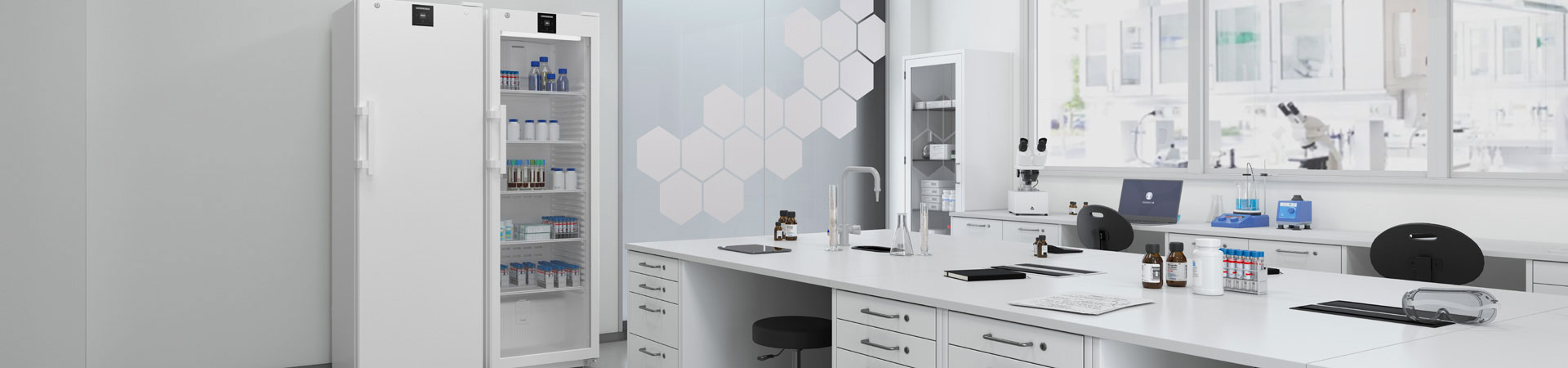
The hardware layer is where TCO reduction begins. Selecting cold storage that is engineered for narrow temperature bands rather than just a nominal setpoint changes the economics over the equipment’s lifetime. Performance-grade ultra-low Laboratory refrigerators with multi-point sensor arrays, vacuum insulation panels, and inverter-driven compressors deliver tighter uniformity and recover faster after door openings, which directly reduces both energy draw and sample stress.
Insulation and Airflow Design
Vacuum insulation panels reduce wall thickness while improving thermal resistance, which means more usable interior volume for the same footprint. Forced-air circulation with baffled return paths eliminates the warm pockets that plague natural-convection units, an issue that becomes critical when storing densely racked cryovials.
Compressor and Refrigerant Strategy
Cascade refrigeration systems using hydrocarbon refrigerants offer better pull-down performance and lower global warming potential than legacy HFC blends. Combined with variable-speed compressors, they reduce on-off cycling, which is the primary source of temperature ripple inside the chamber.
Monitoring, Validation, and the Role of Data
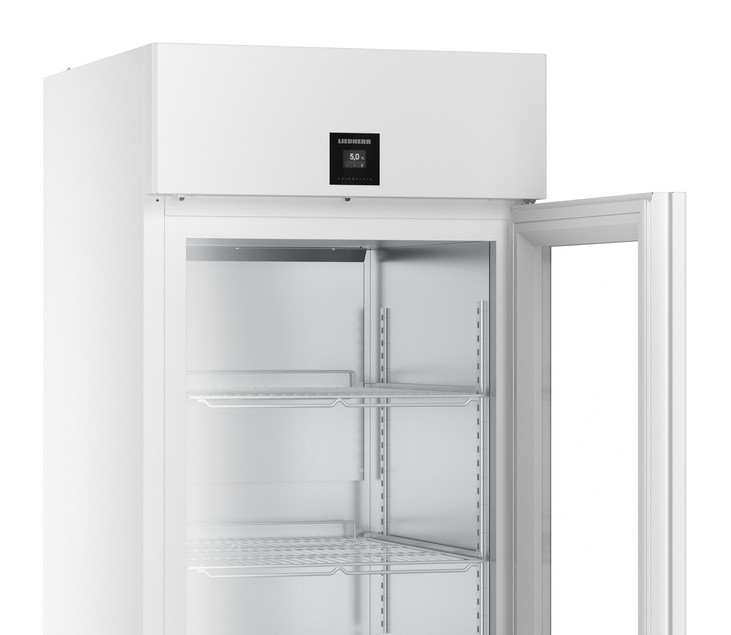
Hardware alone does not guarantee thermal stability. A laboratory cannot manage what it does not measure, and the granularity of measurement defines the credibility of the data. Continuous monitoring with calibrated, traceable sensors transforms thermal performance from an assumption into a documented fact.
Continuous Monitoring Architectures
Wireless sensor networks now allow every storage unit to report temperature, door events, and compressor health in real time. Cloud-based dashboards aggregate this data, flag deviations, and produce audit-ready logs. The shift from manual chart recorders to networked sensing has cut response times from hours to minutes.
Validation and Mapping
Thermal mapping studies, performed at commissioning and at defined intervals, identify hot and cold spots inside each unit. For regulated environments, mapping is not optional. It feeds directly into qualification documents and supports compliance with GxP frameworks. A thermal stability assay performed on stored reference material can serve as a biological cross-check that the physical mapping data is meaningful.
Practical Expert Recommendations for Lowering TCO
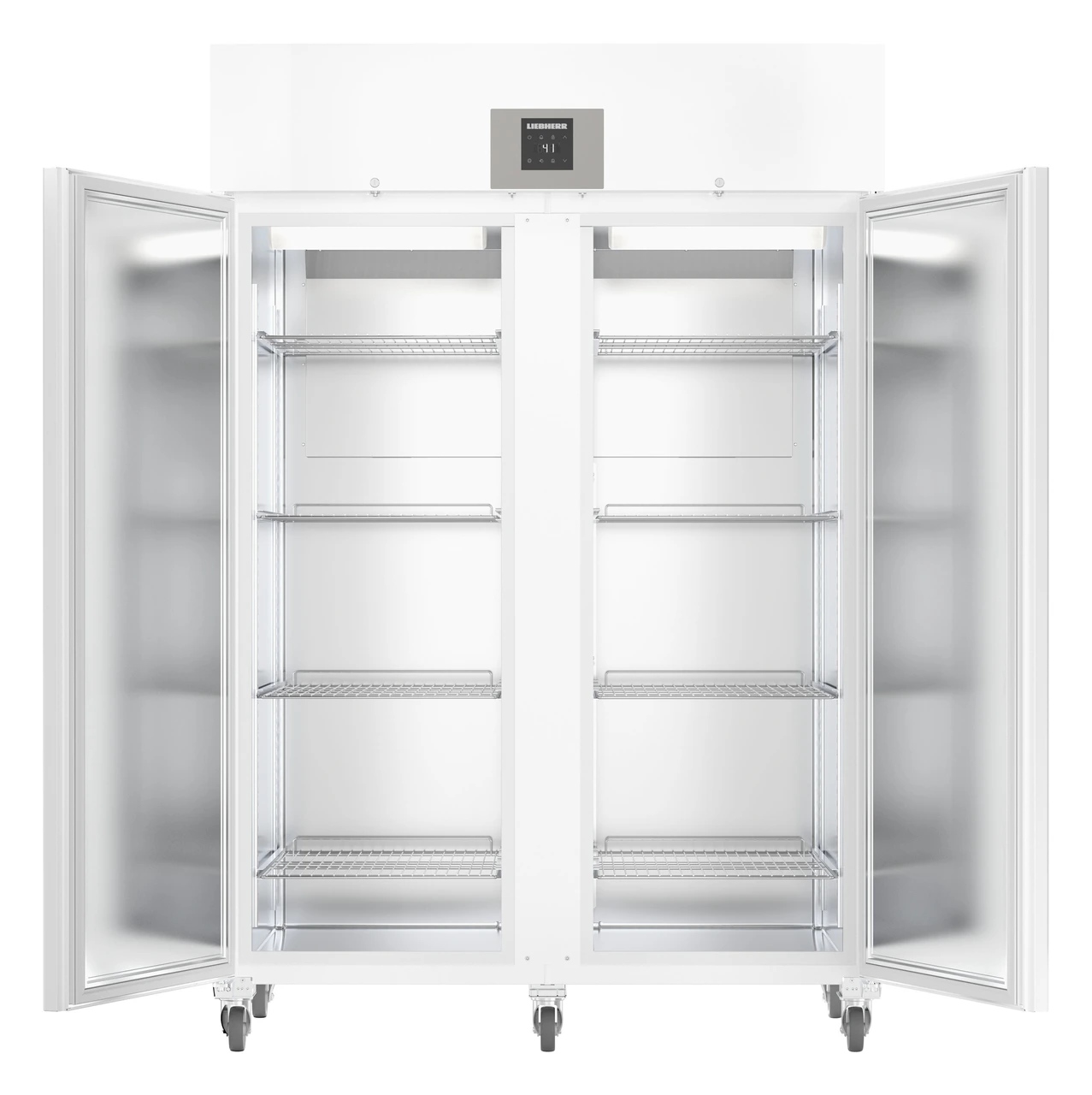
Reducing TCO through better thermal stability requires coordinated action across procurement, facilities, and scientific teams. The following recommendations consolidate practices observed in laboratories that have successfully cut their lifetime costs.
- Specify equipment by uniformity and recovery time, not just nominal setpoint. A freezer rated at minus eighty with plus or minus one Kelvin uniformity is fundamentally different from one rated at plus or minus five.
- Consolidate storage where scientifically appropriate. Fewer, better-engineered units outperform many small ones in both energy use and reliability.
- Build redundancy at the sample level, not just the equipment level. Split critical collections across two physically separate units on independent circuits.
- Schedule preventive maintenance based on runtime data rather than calendar intervals. Condition-based servicing extends compressor life and avoids unnecessary downtime.
- Train staff on door discipline, loading patterns, and rack organization. Human factors account for a surprising share of thermal excursions.
- Treat monitoring data as a research asset. Trend analysis reveals slow drifts long before they trigger alarms.
Frequently Asked Questions
What is thermal stability in a laboratory context?
Thermal stability is the capacity of a sample, reagent, or storage system to maintain its defined temperature and physical integrity within specified tolerances over time. In practice, it combines instrument performance, environmental control, and the intrinsic resistance of the material itself to thermal stress.
How does thermal stability affect total cost of ownership?
Poor thermal stability inflates TCO through higher energy consumption, accelerated equipment wear, sample loss, and repeated experimental work. Investments in better-engineered cold storage, continuous monitoring, and validation protocols typically pay back within a few years through reduced operating expenses and fewer scientific setbacks.
Which methods are used to measure thermal stability of biological samples?
Differential scanning calorimetry, thermal shift assays, and circular dichroism spectroscopy are common techniques. Each provides a different lens, ranging from melting temperature determination to conformational analysis, and laboratories often combine them to build a complete profile of how a molecule behaves under thermal stress.