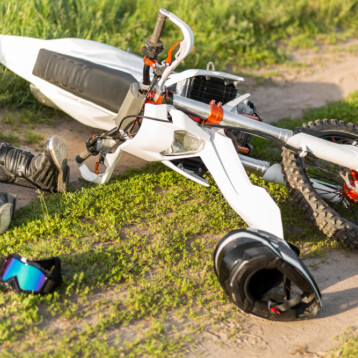
After a serious car accident, the truth about what happened can begin disappearing almost immediately. Skid marks fade, damaged vehicles are repaired or removed, surveillance footage gets overwritten, and witness memories slowly become less certain with time. At the same moment, injured people are often trying to process shock, pain, medical treatment, insurance calls, and the emotional weight of having their lives suddenly disrupted. In many cases, important evidence is lost before victims fully understand how critical those first hours and days can be. That is why immediate investigation plays such an important role in protecting a car accident claim.
Omega Law Group understands that early action can preserve the details that later determine liability, compensation, and credibility. By securing photographs, reviewing crash reports, preserving digital records, locating witnesses, and documenting injuries before questions arise, a car accident lawyer helps build a clearer and more reliable account of what truly happened. Quick investigation also helps prevent insurance companies from shaping the narrative first or minimizing injuries before the full impact of the collision becomes visible. When evidence is preserved early, injured individuals often stand on much stronger ground while pursuing financial recovery and accountability after a devastating crash.
Scenes Change Fast
Crash locations do not stay intact for long. Skid marks lighten, broken plastic gets removed, and vehicles are towed before every position is photographed. In that narrow period, firms such as lawyers may gather road images, witness contacts, debris patterns, and nearby footage, while the setting still reflects the collision itself. That timing can shape later discussions about distance, speed, lane use, or signal changes.
Reports Have Limits
Police reports matter, yet they rarely settle every dispute. Officers often arrive after cars have shifted or bystanders have moved key pieces from view. Stress can also affect what people say in those first minutes. Early legal review allows comparison between the report, timestamped photographs, roadway layout, and outside records. That side-by-side check can expose omissions before an insurer treats a brief summary as the full story.
Cameras Do Not Wait
Video often provides the cleanest neutral account. Store systems, apartment cameras, transit recordings, and doorbell devices may overwrite stored files within days. Once erased, that material is usually gone. Prompt requests help preserve images showing lane position, light sequence, braking, or conduct right after impact. Those details can reduce reliance on memory, which tends to narrow and shift after a stressful event.
Digital Trails Matter
Phone Activity
Phone use can become a major issue after a wreck. Call timing, application activity, and message records may help clarify distraction claims or post-impact conduct. Providers do not always keep that information for long periods. Quick legal steps can preserve a cleaner timeline. Small entries, placed in order, may show whether a driver was using a device, seeking help, or moving before police arrived.
Witnesses Forget Quickly
Memory begins changing right away. A passerby may recall a horn blast, a drifting lane, or a sudden stop on day one, then sound less certain later. Contact information also disappears when nobody follows up. Early interviews create a fixed account before outside conversation shapes recall. Consistent witness statements can support physical findings and make later versions sound less reliable when they drift from observed events.
Vehicle Damage Speaks
Impact Patterns
Vehicle damage often tells a clearer story than a polished statement. Crush depth, paint transfer, wheel position, airbag deployment, and seat belt marks can help explain angle, force, and sequence. Those clues lose value after repairs, salvage handling, or long storage gaps. A prompt inspection gives lawyers and reconstruction experts a firmer base. Mechanical evidence may contradict a narrative that sounds tidy but does not fit the contact pattern.
Medical Timing Counts
Injury claims often turn on timing. Early evaluation connects pain, stiffness, dizziness, numbness, or restricted motion to the crash before doubt grows around cause. Delayed care may allow an insurer to argue that symptoms came from daily strain or an older condition. Immediate investigation also secures ambulance notes, triage records, imaging dates, and first complaints. That chronology helps place bodily harm on a clear, medically coherent sequence.
Fault May Spread
Some collisions involve more than two people. A company vehicle owner, maintenance provider, road contractor, or parts manufacturer may share responsibility under the right facts. That broader picture can disappear if no one checks ownership, work status, repair history, or roadway conditions early. Immediate investigation looks past the first obvious driver. It tests whether poor upkeep, work pressure, or unsafe design played a meaningful part.
Insurance Starts Early
Insurance carriers begin assessing exposure almost at once. Adjusters review statements, inspect damage, and sort facts in ways that may reduce payment. If one side is documenting quickly while the other waits, the file can tilt early. Prompt legal work helps preserve balance. It guards against rushed narratives and builds a stronger record before low valuations settle into a position supported by selective pieces of evidence.
Value Depends on Proof
Case value does not rise from injury alone. It depends on documentation quality, timing, and how clearly each loss connects with the collision. Photographs, wage records, treatment notes, scene measurements, and repair data carry more weight when gathered early. Strong files also support steadier negotiation. A lawyer working from prompt evidence can explain damages with greater precision, which often reduces disputes over what the wreck actually caused.
Conclusion
Immediate investigation is not about speed for appearance. Its purpose is preserving facts before they fade, shift, or disappear completely. Each passing hour can affect video retention, witness memory, vehicle inspection, and the medical link between collision forces and later symptoms. A car accident lawyer acts early because later arguments usually depend on what was captured first. Clear proof supports fairer outcomes, steadier negotiations, and a record anchored in events, rather than in stories shaped after the fact.