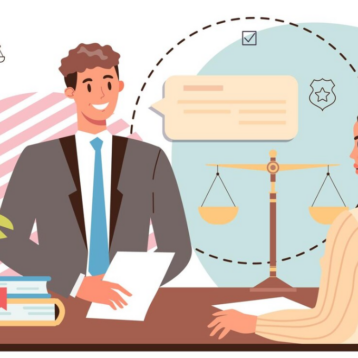

Social events are meant to be enjoyable places where people relax, connect with friends, and feel safe in their surroundings. Unfortunately, some individuals take advantage of these environments by using manipulation, intoxication, or drug-facilitated assault tactics to harm others. Incidents involving substances commonly associated with date rape drug attacks can leave victims confused, frightened, and unsure of what happened or what steps to take afterward. In situations involving physical harm, coercion, or assault, speaking with a Maryland sexual abuse lawyer may help victims better understand their legal rights and available forms of protection.
Understanding Drug-Facilitated Assaults
Drug-facilitated attacks occur when someone intentionally uses alcohol, prescription medicines, or illegal substances to impair another person’s ability to protect themselves or give permission. These substances can be difficult to detect in drinks because they may be colorless, tasteless, or fast-acting. Lightheadedness, disorientation, memory loss, sudden tiredness, or unconsciousness can result from even small doses of alcohol. People frequently don’t realize they’ve been drugged.
Parties, bars, concerts, private get-togethers, and even activities involving familiar people are just a few of the many settings in which these circumstances may arise. Not every criminal is a complete stranger. Sometimes the perpetrator is someone the victim trusted on a social level, which can make processing the emotional fallout even more challenging.
Why Awareness and Preparation Matter
Although the offender always bears responsibility, understanding helps lessen susceptibility in social situations. During crowded or unfamiliar events, being aware of your surroundings and staying in touch with people you trust may provide additional security. When something unexpectedly feels off, people often react more quickly by taking small precautions.
It’s also critical to realize that victims are never to blame for the negative deeds of others. Drug-facilitated assaults are intentional crimes carried out by someone who chooses to take advantage of distraction, trust, or diminished consciousness. Afterward, self-blame is a common problem for victims, particularly when recollections are unclear or lacking. Following traumatic events, certain emotional reactions are typical.
Practical Safety Habits at Social Events
During parties, nighttime excursions, or large gatherings where alcohol is present, some behaviors may assist lower dangers. While awareness and planning can help personal protection in social settings, no precaution can ensure safety.
- Drinks should always be visible and should never be left unattended.
- Refrain from taking open drinks from strangers.
- Go to gatherings with dependable pals and stay in touch with one another frequently.
- Keep an eye out for any unexpected or severe physical issues.
- Prior to attending events, make dependable transportation arrangements.
Signs That Someone May Have Been Drugged
Drug-facilitated attack symptoms might appear quickly and seem disproportionate to the quantity of alcohol consumed. It is possible to have sudden disorientation, loss of coordination, trouble speaking clearly, or inexplicable blackouts. Some express feeling unusually weak, distant, or unable to move normally, even when they are only partially conscious.
Trusted friends should be concerned if someone suddenly becomes debilitated or exhibits behaviors that seem abnormal from a medical standpoint. It may be crucial to stay with the person, relocate them to a safer area, and seek medical assistance as quickly as possible. In the event of an assault, prompt medical attention may also help preserve evidence.
What to Do After a Suspected Assault
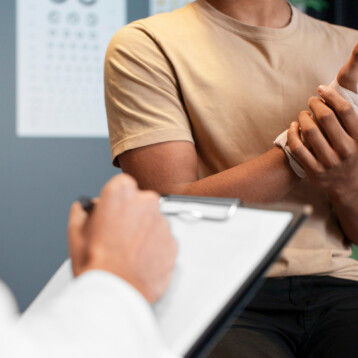
After a suspected assault, personal safety and medical care should come first. It’s critical to get medical attention as soon as possible, even if memories appear fuzzy or incomplete. Medical professionals can evaluate injuries, provide necessary care, and possibly obtain forensic evidence through specialized examinations. There is often a deadline for these tests.
For both practical and emotional support, victims may also consider contacting victim advocacy groups or law enforcement. Following trauma, survivors may experience feelings of uncertainty, overwhelm, or emotional numbness due to the various ways in which trauma can impact memory and emotional processing. It can be less isolating to have trusted people and supporting professionals close by.
Maintaining potential evidence could also be beneficial if someone decides to take legal action in the future. Sometimes, investigators can benefit from avoiding baths, changing clothes, or erasing messages prior to medical evaluation. But there is no one “right” method to absorb what happened, and each survivor reacts to trauma in a different way.
Emotional Recovery Takes Time
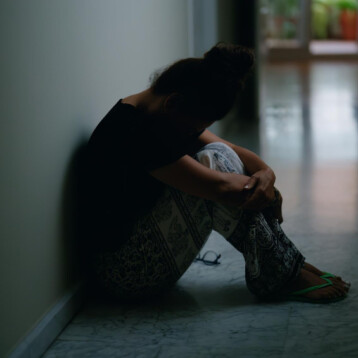
The psychological effects of violence often last long after the first incident. Anxiety, sleep problems, social anxiety, and difficulty trusting others are frequent reactions to traumatic situations. Some survivors can feel ashamed or self-conscious, especially if their memories are distorted by drug exposure or intoxication.
Having people you can lean on makes a huge difference during recovery. Things like counseling, support groups, close friends, and trauma-informed professionals can help survivors work through what happened without feeling judged. Healing usually doesn’t happen overnight — it tends to come little by little over time.
Final Thoughts
Drug-facilitated attacks are extremely damaging breaches of trust that can leave victims emotionally and physically traumatized. Personal safety at social gatherings can be enhanced by recognizing common warning signs, maintaining situational awareness, and acting quickly when something feels off. For survivors seeking guidance after an assault, a Maryland sexual abuse lawyer may help explain legal options and protective steps available moving forward. Most importantly, victims deserve support, safety, and compassionate care during every stage of recovery.