As 2025 gets underway, one thing is clear: demand for high-performance brushless motors—especially outrunner BLDC motors—is climbing fast. Whether you’re tuning an FPV racing drone, building a robotic arm, or launching a lightweight UAV, motors today need to do more than just spin—they’re powering increasingly automated robots across a wide range of industries.
That’s where outrunner motors step into the spotlight. As a specific form of Brushless DC Motor (BLDC), outrunners have won favor with engineers and hobbyists alike thanks to one key trait: structural smarts. While inrunner motors keep the rotor tucked inside the stator like a spinning pencil, outrunners turn things inside out—literally. Their rotors spin on the outside shell, encasing the stationary stator.
Why does that matter? Simple: more surface area means a larger rotor diameter, which means more torque at lower RPMs. That makes outrunners perfect for direct-drive systems—no messy gearboxes needed.
And here’s a quick visual analogy: imagine sharpening a pencil. An inrunner is like the pencil spinning inside the sharpener. But an outrunner? That’s like the sharpener casing spinning around the pencil. More grip. More torque. Better airflow, too.
Still, this isn’t just an engineering gimmick. That rotating shell also cools more efficiently and keeps torque delivery smooth—two things that really matter when your drone has been flying longer than your laptop’s battery lasts.
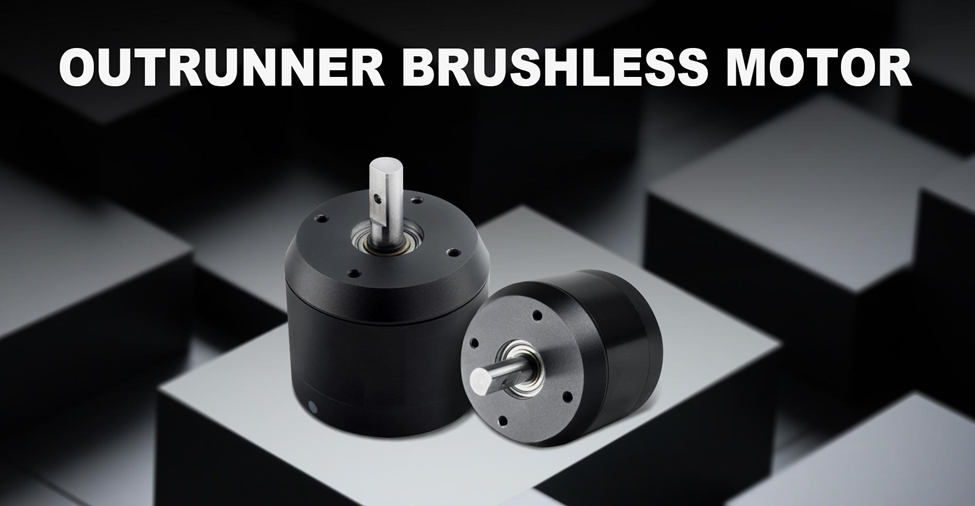
What Is an Outrunner BLDC Motor?
Fundamentally, an outrunner BLDC motor features a straightforward yet ingenious design: the rotor is positioned externally, rotating around the stationary stator at the center. This structural shift unlocks three major benefits that make outrunners a top choice in demanding applications:
- Higher torque: The wider rotating shell of these brushless DC motors delivers greater leverage and rotational force, making these motors great for lifting payloads or powering precise robotic movement.
- Direct-drive ready: No gearbox? No problem. These motors thrive in systems where you need simplicity and efficiency without extra mechanical parts.
- Better cooling: Airflow generated by the spinning rotor helps carry heat away faster, allowing longer operation without thermal issues.
As a result, outrunner BLDC motors are especially valuable in applications where weight, efficiency, and stability are critical—particularly in the development of robots that require smooth, consistent drive performance.
If we were to use a visual analogy, an inrunner motor is like “a pencil spinning inside a pencil sharpener,” while an outrunner motor is more like “the sharpener’s shell spinning around a stationary pencil.” This outer-rotating structure allows the motor to generate higher torque within the same volume and cool itself more effectively through airflow generated by the rotating shell.
What to Look for in an Outrunner Motor
Choosing the right outrunner brushless motor isn’t just about numbers on a spec sheet—it’s about matching them to real-world needs across various types of robots and UAVs. So before you click “buy,” here are some core factors to keep in mind:
- KV rating: This tells you how fast the motor spins per volt. Going for high KV? Great for speed. But if you need torque, say for lifting or stability, then lower KV is your friend.
- Weight: Heavier motors sap agility and drain battery faster. Lighter motors help stretch your flight time and improve maneuverability.
- Thrust-to-weight ratio: A strong ratio means more lift with less strain, which is especially important in aerial applications.
- Durability: Planning to fly in tough conditions or mount on an industrial rig? Look for motors with reinforced frames, dustproof seals, and vibration resistance.
- Cooling performance: Heat is the enemy of longevity. Motors with good thermal design won’t just run cooler—they’ll run longer and more consistently.
A common mistake is to just chase impressive specs. But that can backfire. For example, if you’re aiming for long, stable flights on 6-inch props, a super high KV motor could actually do more harm than good. In that case, a mid-to-low KV motor will give you better results in both efficiency and control.
Motor Recommendations by Use Case
Best Outrunner Motor for FPV Racing
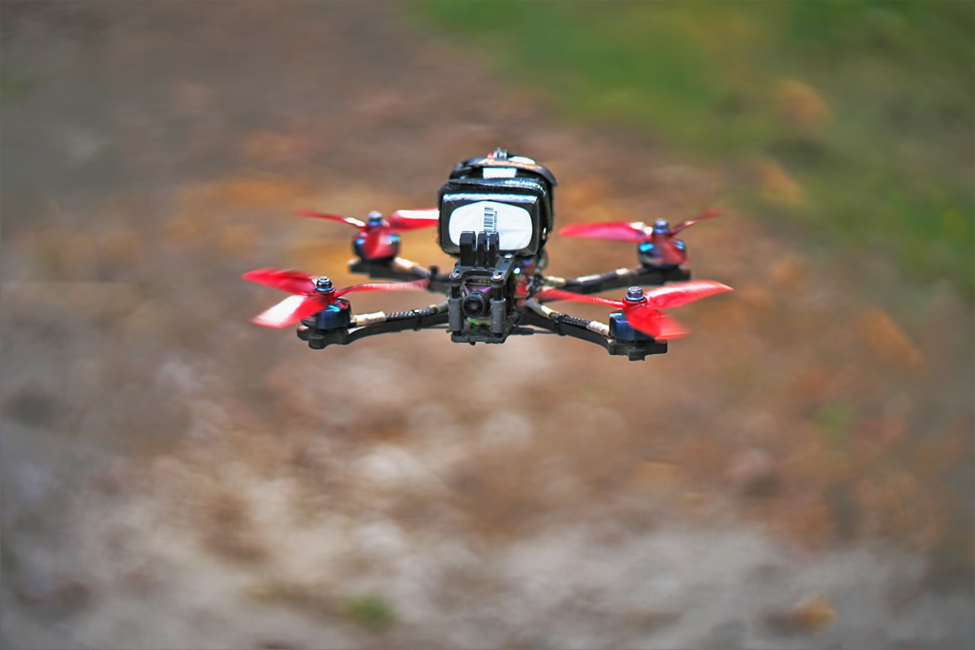
If you’re flying FPV, you already know that performance is more than just numbers. It’s about how the drone feels in the air. And that’s where the 2207 series earns its reputation.
With a KV rating around 2500, these motors support 2 to 4S LiPo batteries and fit easily into most FPV racing builds. At just 36.5 grams, they pack a punch while keeping things light and agile. It’s no wonder racers gravitate to them for their snappy response and reliable thrust.
Recommended for: Freestyle FPV quads and competitive racers
Why it works: High thrust-to-weight ratio, fast RPMs, and nimble control
Many FPV pilots say these motors hit the sweet spot. Pair them with 5-inch props and a solid 30A ESC, and they deliver rock-solid performance lap after lap. Not flashy, just fast and consistent. And in racing, that’s what really matters.
Best Motor for Heavy-Lift UAVs
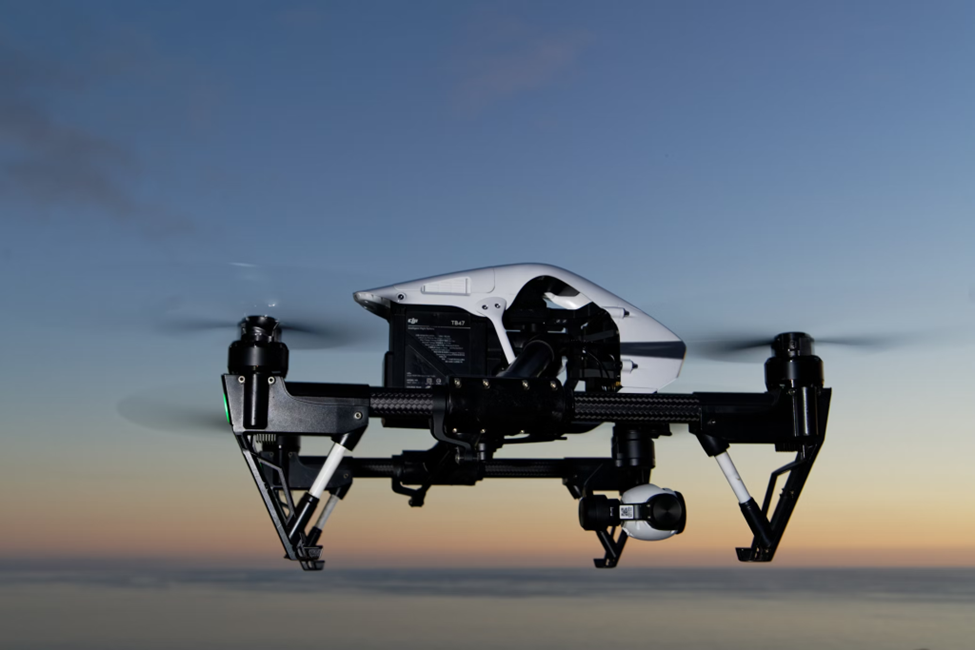
If your UAV project involves hauling serious weight—think delivery drones, crop-spraying machines, or inspection gear—the 4108 series is built exactly for that. It’s engineered for high-thrust applications and doesn’t flinch when paired with large propellers or demanding payloads.
You’ll often see this motor powering delivery drones, agricultural UAVs, and heavy-duty inspection platforms. What makes it stand out is its ability to combine strength with stability. It handles big props, keeps output consistent, and doesn’t sacrifice durability in the process.
Key Features: High torque, a rugged design, and heat management that holds up under pressure
Many mistakenly assume high KV means more power in these scenarios. Not quite. In fact, going that route usually leads to overheating and inefficiency. The 4108’s low-KV, high-torque setup is better suited for long, loaded flights—especially when paired with 15-inch props. That’s why it’s a go-to for mapping, surveying, and agricultural work.
Top Motor Pick for Micro Drones or Robots
Tiny doesn’t mean weak. The 1103 series proves that in spades. With a KV rating that reaches up to 11,000, this ultra-compact motor is built for speed and agility—exactly what micro drones and compact robots need in tight spaces.
Its lightweight frame makes integration easy, and despite its size, it delivers enough punch to drive fast, responsive motion. When space is tight and precision matters, few motors fit the role better.
Best suited for: Palm-sized indoor drones, mini robotics projects, collaborative robot prototypes, and lightweight autonomous platforms
Strengths: High-speed operation, compact footprint, and dependable control accuracy
Recommended Use: Indoor micro drones, mini robots, educational projects
Key Features: Lightweight, precise, fast response
If you’re building a palm-sized robot or toy-class drone, the 1103 is one of your best bets. It performs well even under low voltage (1S–2S) and is widely used in academic and experimental settings. Just keep in mind that its high KV makes ESC tuning and cooling more sensitive.
Best Choice for Industrial UAV Motors?
Designed for industrial use, the 3542 series offers a solid balance between power and efficiency. With KV ratings ranging from 1000 to 1250, it’s compatible with 2–4S LiPo batteries and built for long runtimes in complex environments.
Recommended Use: Mapping drones, inspection robots, automation platforms
Key Features: Sturdy structure, reliable performance, long-lasting efficiency
In applications requiring long operational hours—such as power-line inspection, industrial robot systems, or warehouse robots—reliability often trumps raw thrust. The 3542 performs well with low heat buildup and smooth torque delivery, making it a favorite for all-weather mission platforms.
Top Pick for Maximum Torque
People know the 2206 series for its high torque output. With KV ratings between 2300 and 2600, it’s suited for 3–4S batteries and commonly used in long-flight drones and load-bearing robotic systems.
Recommended Use: Endurance FPV drones, robotic transport platforms
Key Features: Strong torque, high thrust, stable power delivery
This model is a go-to for many engineering teams. Whether you’re working with tracked robots, mobile platforms, or robotic arms, it offers ample torque and smooth control. It’s also flexible enough to handle shifting payload requirements as your project evolves.
Why Are Outrunner Motors So Essential?
Outrunner BLDC motors aren’t just another component in 2025—they’re often the deciding factor between a project that performs well and one that falls short. Their role in FPV drones, robotics, and compact UAV platforms has become central, thanks to how much they contribute to real-world efficiency, reliability, and power delivery.
It doesn’t matter if you’re building a high-speed racer, a responsive robotic assistant, or an autonomous aerial system designed for endurance—today’s robotics industry demands motors that deliver consistent, intelligent performance. Platforms like brushless.com provide engineers and hobbyists access to proven BLDC models, including many outrunner series featured in this article.
The motor you choose sets the tone for the entire system. And as robots become more intelligent with the rise of artificial intelligence, the importance of choosing efficient brushless motors like outrunner designs becomes even more pronounced. But here’s something a lot of people overlook. Motors don’t operate in isolation. They’re part of a tightly connected system. So instead of chasing extreme numbers, focus on the bigger picture. A motor that’s balanced, predictable, and well-matched to the rest of your setup will nearly always outperform one that looks good on paper but doesn’t integrate well.
In short, the smartest motor isn’t the fastest or strongest. It’s the one that plays well with others and performs consistently every time you plug it in.