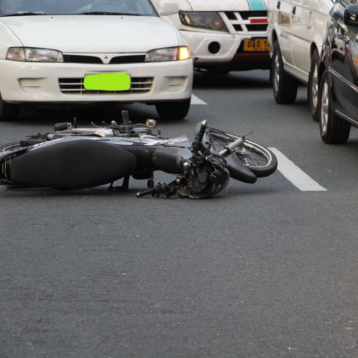
Cleveland, Ohio, is a city where motorcycles share the road with dense downtown traffic, busy interstate routes, lakefront winds, and changing weather that can make an ordinary ride more demanding. After a serious collision, the rider may face unfamiliar legal and insurance questions while trying to regain control. The choices made in the days that follow can shape how clearly the crash gets documented, how insurers evaluate the claim, and whether important rights remain protected. Riders should remain cautious about giving statements, signing paperwork, or accepting early conclusions about responsibility before fully understanding the circumstances.
Speaking with a motorcycle accident attorney in Cleveland can clarify available legal options, potential sources of compensation, and the steps needed to protect a claim. Careful documentation and timely legal guidance can also reduce the risk of overlooked evidence or missed deadlines. With a clear plan, injured riders can make informed decisions locally while their case develops.
Get Medical Care Quickly
Prompt treatment creates a medical record that connects symptoms to the collision. A rider should follow discharge instructions, attend follow-up visits, and report changes promptly. Missed appointments may allow an insurer to argue that pain improved or developed elsewhere. Records involving imaging, prescriptions, physical therapy, and transportation also show the physical and financial burden the crash created.
A rider seeking advice may speak with a motorcycle accident attorney, as residents do after a major collision. A legal professional can assess fault, review treatment records, identify responsible parties, and explain available claims. Early guidance may prevent harmful statements or premature agreements, especially before doctors understand whether an injury will cause permanent limitations or require future procedures.
Preserve Crash Evidence
Photographs should show the motorcycle, other vehicles, road defects, traffic signals, weather conditions, and visible debris. Relatives can preserve helmets, jackets, gloves, repair estimates, towing bills, and damaged components. Record witness names and telephone numbers promptly. After obtaining the police report, the rider should review it and request corrections for clear factual errors.
Avoid Public Statements
An insurance adjuster may request a recorded interview within days of the crash. Questions may sound harmless, but brief answers can later get used against the injured person. Victims may provide basic claim information, but they should wait to discuss fault until counsel offers direction. Social media activity also deserves restraint. Recovery photos, travel updates, or optimistic comments can create an incomplete picture of physical limitations.
Track Financial Losses
A strong claim accounts for more than emergency treatment. Records should cover missed wages, reduced work capacity, prescriptions, rehabilitation, transportation, household assistance, motorcycle repairs, and replacement safety gear. Pay statements and employer documentation can confirm income loss. A daily journal may capture pain levels, restricted movement, sleep disruption, medication effects, and activities abandoned during recovery.
Examine Fault Carefully
Motorcycle crashes frequently involve disputed turns, lane changes, visibility, following distance, or right-of-way violations. Investigators may examine traffic footage, vehicle damage, skid marks, mobile-phone data, witness statements, and roadway design. A rider should avoid estimating speed or distance without confidence. An honest statement of uncertainty is more credible than an inaccurate guess that another party can repeat later.
Handle Insurance Offers Carefully
An early settlement may appear practical while treatment remains unfinished. Accepting payment could close the claim before doctors identify the need for surgery, lasting impairment, or future income loss. Riders should compare proposed amounts with current expenses and probable care. Store every letter, email, payment record, and telephone note together to build a reliable communication history.
Protect Motorcycle Evidence
Keep a damaged motorcycle available for photographs and inspection before sale, disposal, or major repairs. Safety concerns may require immediate work, but retain removed parts whenever possible. Impact marks can help establish direction, force, and mechanical condition. Storage charges deserve documentation. An investigator or attorney can coordinate an inspection while avoiding unnecessary repair delays.
Watch Filing Deadlines
Ohio injury claims carry filing limits, and the applicable period may change based on the defendant, injury type, or claim category. Delays can result in lost footage, unavailable witnesses, or expired rights. A rider should identify the governing deadline soon after the incident. Prompt advice matters most when the incident involves a government vehicle, uninsured motorist, wrongful death, or a minor claimant.
Choose Representation Carefully
A qualified attorney should explain the claim process, expected expenses, evidence requirements, and possible risks in direct language. Riders can ask who will handle routine calls, how updates will get delivered, and whether the lawyer has experience with motorcycle injury litigation. Review written fee terms before representation begins. Reliable counsel should focus on documented harm, medical prognosis, and practical recovery goals.
Conclusion
Protecting legal rights after a motorcycle crash requires consistent medical care, organized records, and disciplined communication. Riders should preserve physical evidence, document financial losses, limit public statements, and review settlement proposals before signing. Filing deadlines may approach while rehabilitation continues, which makes early legal guidance valuable. A well-supported claim gives injuries, expenses, and lasting limitations a fair chance to be properly considered.