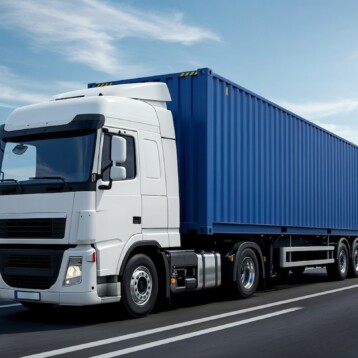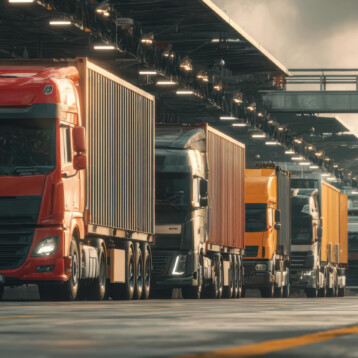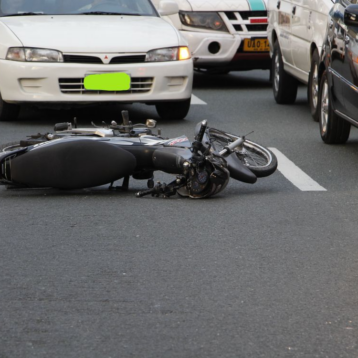

The latest safety technologies, known as Advanced Driver Assistance Systems, have become increasingly widespread in long-distance fleets. These days, commercial vehicles are able to use their emergency braking system, detect blind spots, send alerts on lane departures, and adjust steering in case of a deviation from the road. Although there is no doubt that modern equipment significantly enhances road safety and mitigates the danger of accidents, such systems were not created for autonomous operation. Over-reliance on the capabilities of automatic equipment leads to a false sense of security. In the event of an accident, consulting a truck accident lawyer for serious injuries will be essential.
Advanced Driver Assistance Systems and Their Capabilities
In order to identify the limits of modern technologies in trucks, one must look at how these technologies work. The collision avoidance technology relies on radar and camera sensors to keep track of the road ahead and constantly track the speed and distance from the vehicles ahead of the truck. In case there is an abrupt stop of the vehicle ahead of the truck, the technology will alert the driver and cause the truck to brake rapidly. On the other hand, lane departure assist technology warns the driver in case the wheels cross the highway markings without activating turn signals, and gently causes the truck to stay on course.
Such systems are very effective at preventing common mistakes and overcoming brief distractions. In situations like highways where traffic moves consistently and steadily, modern technology serves as an important safety net.
The Operational Limits of Sensor Technology
However, despite all the advanced technologies and features, driver assistance devices are not omnipotent. The sensors, cameras, and radars need certain weather and lighting conditions for proper functioning and the ability to analyze the surroundings. Such weather as heavy rain, fog, snow, ice, or splashing water may obstruct the optical sensors or confuse the signals of radars. In addition, construction sites where the lane markings, traffic cones, or road signs are confusing may easily mislead the algorithms and make the system stop working unexpectedly.
In addition, algorithms are unable to predict the unpredictable actions of people. A computer system cannot foresee that a passenger car will unexpectedly change three lanes to catch up with the ramp. It also cannot assess the distracted state of mind of another driver who is sitting in an adjacent lane.
Why Human Judgment Remains Irreplaceable
Safely operating a truck weighing seventy thousand pounds demands continual awareness of one’s surroundings and the need to make risk assessments in advance of a situation. The weight distribution of cargo, stopping distance on a grade, crosswinds on bridges, and changing road surfaces are some examples where the decision-making needs of truck drivers cannot be duplicated through technology alone.
The excessive dependence of truck drivers on technology is an issue often referred to as automation bias. Truck drivers might relax too much due to their trust in technology, thus reducing their awareness level and assuming the truck will protect them in case of any danger. However, when a hazard occurs suddenly and exceeds the limits of a computer’s capacity, the driver will have lost the vital seconds needed to respond manually.
Accountability When Safety Systems Fail
In case of commercial truck accidents, it is necessary to investigate human and technological factors that may contribute to the accident. Fleet owners and trucking companies often try to shift the blame by arguing that some safety features were either not working or did not turn on in time. But commercial motor vehicle laws make drivers and carriers liable for controlling their trucks despite any technology.
The purpose of such technologies is to assist drivers in their work and not to take away the responsibility from them. In case a driver does not pay attention to traffic conditions or ignores alerts, serious harm can be caused to other people.
Conclusion
The introduction of advanced technology in trucks marks an important milestone in reducing accidents on the highway, although it is by no means perfect. The ultimate safety on the roads is based on the abilities of professional truck drivers who need to be well-trained and constantly alert. Although technology may help prevent accidents through warnings, braking, and correction, it will never possess good judgment. If negligence, dependency on technology, or distractions result in dangerous accidents, getting a competent truck accident lawyer for serious injuries becomes critical for the victims.