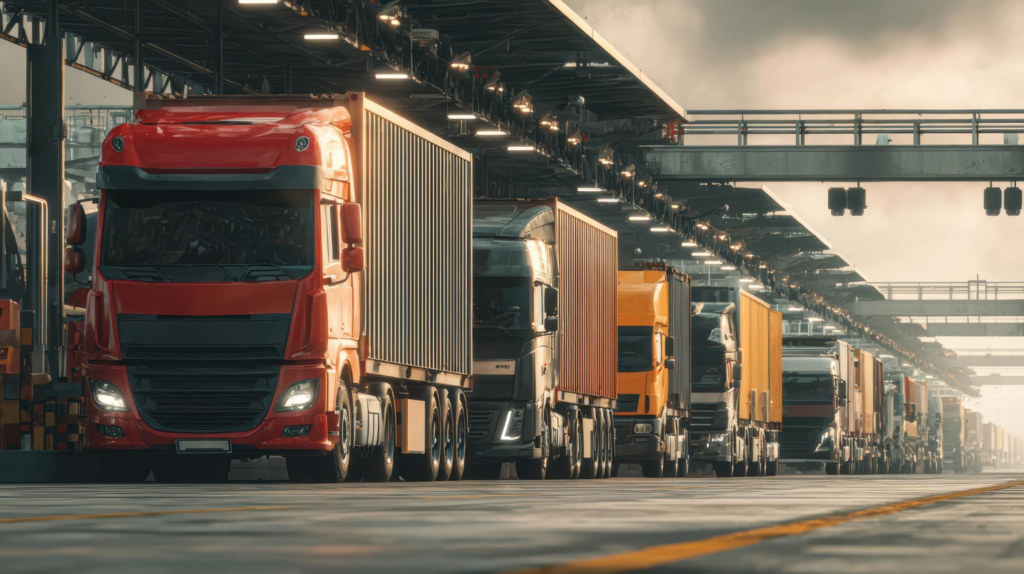
A jackknife collision is one of the most frightening types of truck accidents. It happens when the trailer swings out at an angle from the cab, sometimes sweeping across lanes of traffic and striking nearby vehicles. Because large trucks take up so much road space, a jackknife can quickly turn into a multi-vehicle crash.
Brake problems can be a major factor in these collisions. When a truck’s braking system does not work evenly or predictably, the driver may lose control during a sudden stop, downhill descent, wet-road slowdown, or emergency maneuver. If poor maintenance, worn parts, or unsafe operation contributed to the crash, the braking history of the truck may become a key part of the investigation.
A Jackknife Begins With Loss of Alignment
A tractor-trailer is designed to move as a connected unit. During normal driving, the cab pulls the trailer in the same direction. A jackknife occurs when that alignment breaks down and the trailer swings outward.
This can happen when the tractor slows or turns differently than the trailer. If the trailer keeps moving forward while the cab loses traction or slows suddenly, the trailer may push around the tractor. Once the angle becomes severe, the driver may have little ability to regain control.
Brakes Must Work Together
A commercial truck relies on multiple brakes working across the tractor and trailer. If some brakes are stronger than others, weaker than others, or not responding at the same time, the vehicle may become unstable.
Brake imbalance can cause certain wheels to lock while others keep rolling. This can affect traction and steering. When a driver brakes in traffic or on a curve, uneven braking may increase the chance that the trailer swings out.
Worn Brakes Can Reduce Control
Brake parts wear down over time. Pads, drums, rotors, chambers, hoses, and other components may need inspection, adjustment, or replacement. If worn parts are ignored, stopping distance may increase and braking response may become unpredictable.
A truck with worn brakes may not slow as expected. The driver may press harder, brake suddenly, or lose confidence in the vehicle’s response. In a heavy truck, that loss of control can be dangerous, especially when traffic ahead stops quickly.
Overheated Brakes Can Fail When Needed Most
Truck brakes can overheat during long downhill travel, repeated stop-and-go traffic, or heavy braking. When brakes overheat, they may lose effectiveness. This is sometimes called brake fade.
A driver who realizes the truck is not slowing properly may panic, steer sharply, or brake harder. These reactions can increase the risk of a jackknife. Proper driving technique, safe speed, and well-maintained equipment are important for preventing this kind of loss of control.
Sudden Braking Can Trigger the Swing
Even when brakes are working, sudden hard braking can be risky in a tractor-trailer. If the driver is following too closely or not paying attention, they may have to slam on the brakes to avoid a crash.
When brake problems are added to the situation, the danger grows. A delayed brake response, locked wheels, or uneven pressure may cause the trailer to move differently from the tractor. What began as an emergency stop may become a jackknife across several lanes.
Poor Maintenance May Be the Hidden Cause
After a jackknife crash, the trucking company may blame weather, traffic, or another driver. Those factors may matter, but they do not always explain why the truck lost control. Maintenance records may reveal a deeper issue.
A Fort Lauderdale trucking accident lawyer may review inspection reports, repair invoices, driver complaints, brake adjustment records, and maintenance schedules to determine whether the truck had known brake problems before the collision. If warning signs were ignored, the crash may have been preventable.
Driver Inspections Can Matter
Truck drivers are expected to pay attention to the condition of their vehicles. Pre-trip and post-trip inspections may reveal brake concerns, air system problems, warning lights, leaks, or unusual performance.
If a driver noticed brake trouble but continued driving, that decision may become important. If the driver reported a problem and the company failed to fix it, the company’s response may need review. Inspection records can help show who knew what and when.
Cargo Weight Can Increase Brake Stress
A heavily loaded truck requires more stopping power than an empty one. If the cargo is overloaded, improperly balanced, or poorly secured, the truck may be harder to control during braking.
Cargo problems can also change how the trailer moves. A shifting load may increase instability and make a jackknife more likely during sudden braking. Bills of lading, weight records, loading documents, and cargo photos may help show whether freight contributed to the crash.
Road Conditions Can Make Brake Problems Worse
Rain, standing water, oil, sand, uneven pavement, construction zones, and worn road surfaces can reduce traction. A truck with brake problems may become even harder to control under these conditions.
Bad weather does not excuse unsafe driving or poor maintenance. Drivers should adjust speed, increase following distance, and avoid sudden maneuvers when roads are slick. If a truck jackknifes in poor conditions, the investigation should ask whether the driver and company prepared for those risks.
The Trailer Should Be Inspected Too
In a jackknife crash, the trailer is not just cargo space. It is part of the braking and control system. Trailer brakes, tires, suspension, coupling equipment, and air lines may all affect stability.
If investigators focus only on the tractor, they may miss important evidence. Trailer maintenance records and physical inspections may show whether the trailer was safe to haul before the crash.
Injuries Can Be Severe in Jackknife Crashes
A jackknifed truck may block several lanes, strike vehicles from the side, crush smaller cars, or cause secondary collisions. Victims may suffer head injuries, spinal trauma, fractures, internal injuries, burns, or fatal harm.
Medical records help connect the crash to the injuries. Emergency treatment, imaging, surgery notes, therapy records, prescriptions, and work restrictions can show the seriousness of the harm and the long recovery that may follow.
When Brake Failure Becomes a Safety Failure
Brake problems can turn a difficult driving situation into a catastrophic jackknife collision. Worn parts, poor adjustment, overheating, air system trouble, uneven braking, heavy cargo, and unsafe speed may all contribute to loss of control.
A full investigation should examine the truck, trailer, maintenance history, inspection records, driver conduct, cargo documents, road conditions, and electronic data. When brake problems were ignored or poorly handled, the jackknife may not have been unavoidable. It may have been the result of safety failures that should have been corrected before the truck entered traffic.