Strong joints deserve careful attention before any wrench turns. A bolt can meet the drawing, yet still lose clamp force if the bearing surface yields, tilts, or scars. Grade 8 flat washers help control that contact point. They spread pressure, protect finished faces, and support repeatable tightening. In heavy assemblies, that small ring often decides whether the preload stays steady after vibration, heat, and service loads begin.
Load Path Basics
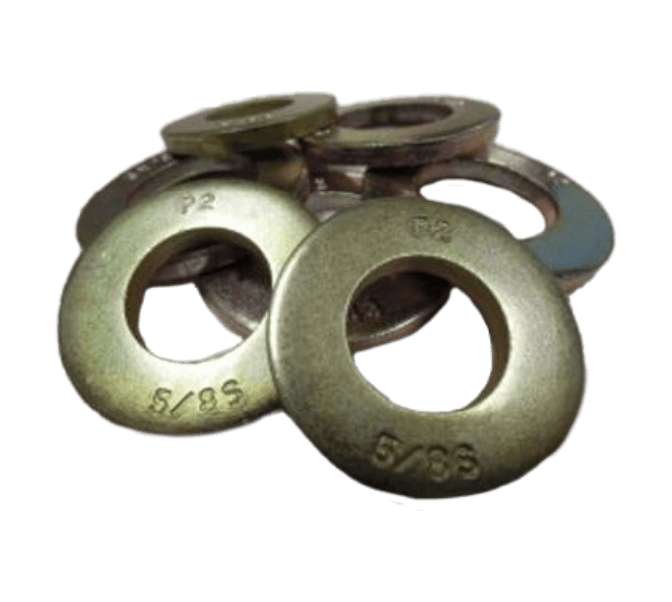
A hardened bolt concentrates force beneath its head or nut, so the bearing face must be ready. Properly selected grade 8 flat washers provide a stronger contact layer between the fastener and the joint material. That layer helps distribute clamp pressure, especially where Grade 8 hardware secures frames, brackets, or equipment mounts.
Hardness Matters
Soft washers can cup during tightening. Once that happens, the clamp load drops and the joint settles. Grade 8 washers are heat-treated to achieve higher hardness, making them better suited to high-strength bolts. The washer should support the fastener system without crushing, galling, or deforming first.
Surface Protection
Many assemblies clamp painted, plated, machined, or coated faces. Direct contact from a turning nut can scrape that finish. A flat washer provides controlled rotation with a bearing surface. That matters on machinery guards, steel frames, mounting plates, and service panels, where exposed metal can invite corrosion or uneven seating.
Hole Size Control
Clearance holes are often larger than the bolt body. Slotted holes add even less bearing support. A correctly sized washer covers part of that open space and distributes pressure over a larger area. Grade 8 washers help when strong bolts pass through punched openings, field-fit slots, or repair holes.
Torque Consistency
Torque readings depend on friction, not just clamp load. Threads, coatings, and bearing faces all change the final result. A hardened washer provides a more stable contact point on the turning surface. That stability helps installers reach more repeatable preload across flanges, brackets, and bolted patterns.
Vibration Service
Vibration exposes weak seating fast. A flat washer does not replace locking features, thread engagement, or proper preload. It can still reduce local embedment beneath a high-strength fastener. Less crushing at the contact face helps limit early relaxation, which supports joint pressure during repeated motion.
Heat Treatment Fit
Grade 8 washers are often made from medium-carbon steel and then quenched and tempered. That treatment raises hardness and bearing strength for demanding service. Plated hardened parts may also require baking to relieve hydrogen embrittlement. Without that step, brittle cracking can occur with little visible warning.
Marking and Traceability
Busy shops need parts that can be verified quickly. Marked washers help receiving teams, installers, and inspectors avoid mix-ups. Clear records of size, pattern, and material support maintenance files and customer audits. Certification also matters where domestic sourcing, heat treatment, or plating history must be documented.
Where Do They Fit?
Grade 8 washers are suitable for heavy brackets, equipment bases, truck bodies, agricultural machinery, plant repairs, and structural frame connections. They are most appropriate where Grade 8 bolts are already called out. The washer must match bolt diameter, seat flat, and leave nearby bends, welds, or edges clear.
Where Are They Not Suited?
These washers are not the answer for every joint. Thin covers, soft plastics, light sheet metal, and decorative panels may need wider or softer bearing parts. A hardened washer can bruise fragile material if the load spreads poorly. The right choice depends on fastener strength and clamped material.
Sizing Rules
The inside diameter should clear the bolt without excessive looseness. The outside diameter should cover the bearing area without interfering with nearby geometry. Thickness also matters, since thin washers can distort under higher clamp load. Standard fractional sizes often work, but special assemblies may require custom stamped dimensions.
Installation Checks
Before tightening, installers should check clean threads, flat seating, proper washer placement, and full contact. Burrs, weld spatter, thick paint, or dirt can cause the washer to tilt. That tilt creates uneven bearing stress. A quick inspection helps prevent preload loss, surface gouging, and misleading torque readings.
Procurement Notes
Purchasing should begin with joint demand, not bin availability. Buyers need to compare bolt grade, coating, washer hardness, material origin, certification needs, and production volume. Documented domestic washers can shorten approval reviews. For repeat work, consistent washer families also simplify storage, drawings, maintenance planning, and reordering.
Conclusion
Grade 8 flat washers belong where a high-strength bolt needs a hard, stable bearing surface. They help control pressure spread, surface wear, hole support, and torque response. Their value increases in assemblies exposed to high clamp force, vibration, inspection requirements, or harsh service conditions. Final selection still depends on mating material, hole condition, coating, and load path. In the right joint, a washer carries real responsibility.