Permanent fastening has a quiet job, yet failure is rarely quiet. Panels buzz, holes oval out, coatings crack, and loads shift into places never meant to carry them. A well-set rivet prevents that chain reaction by forming a metal-to-metal bond. It asks for clean holes, matched material, correct grip, and disciplined tooling. Done well, the joint behaves less like added hardware and more like part of the assembly.
Permanent Joint Basics
Across aircraft skins, vehicle bodies, marine panels, and industrial frames, solid rivets earn their place by filling the hole before the tail is formed. The upset head presses tightly against the back surface, while the factory head holds the front. Strength comes from shank diameter, alloy, grip length, hole quality, and steady installation pressure.
High Shear Loads
Shear strength is where this fastening method often separates itself. A threaded bolt loses cross-section where the load passes through the threads. A rivet keeps a full shank across the shear plane. That clean geometry helps brackets, gussets, frames, and heavy panels share force evenly. Multiple points can distribute stress before one hole carries too much.
Vibration Resistance
Vibration punishes loose parts over time. Screws may need locking nuts, washers, compounds, or scheduled retightening. A rivet has no spiral path that can unwind during repeated motion. Once the tail is formed, separation requires metal deformation. Trailers, rail equipment, agricultural machines, and shop tools benefit from that simple resistance to shake.
Thin Sheet Strength
Thin sheet leaves little depth for thread engagement. Screws can strip, while adhesives may peel near exposed edges. A rivet clamps through the hole and forms a second head on the reverse face. Pressure spreads around the opening instead of relying on a shallow thread. Panels, housings, ducts, and light frames gain dependable hold without bulky inserts.
Heat Exposure
Heat changes many fastening systems. Adhesive bonds can soften, plastic clips may relax, and thread-locking compounds can lose grip. A metal rivet maintains its basic shape and function over a wider service temperature range when the alloy selection is correct. Aluminum, copper, brass, steel, and stainless steel each bring different thermal and corrosion behavior.
Corrosion Planning
Outdoor assemblies need careful material pairing. Mixed metals can create galvanic corrosion, especially around wet holes or damaged coatings. Rivets help when the shank alloy fits the parent sheet and finish plan. Aluminum boat panels often use aluminum joining hardware. Stainless assemblies may need stainless fasteners. Good planning reduces staining, swelling, and hidden section loss.
Weight Control
Weight savings matter in transport, marine, and mobile equipment. A rivet can replace a screw, nut, washer, insert, or welded tab. That smaller part count lowers mass and simplifies stocking. Aluminum options are useful where every gram counts across many attachment points. The gain looks modest once, then grows across an entire product line.
Inspection Value
A proper shop head tells a trained eye a great deal. Crews can see tilt, cracking, gaps, short grip, or poor upset before an assembly leaves production. That visual feedback supports fast quality checks without special instruments. Consistent heads also show whether the hole preparation and tool force stayed under control.
Production Speed
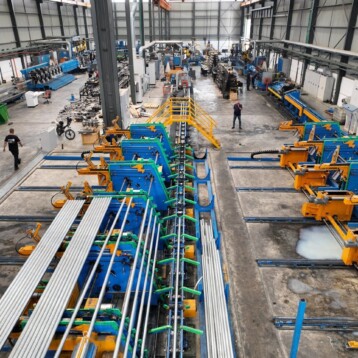
Riveting rewards repeatable work. Feeding, locating, and setting can be standardized across long runs. Semi-automatic or automatic equipment reduces hand variation and keeps cycle times predictable. Stock diameters and lengths simplify purchasing, while special heads solve clearance or appearance needs. Stable hole size, square access, and simple gauges ensure a dependable process.
Security Needs
Some products should resist casual removal. Screws can invite tampering with common tools. A riveted joint usually requires drilling, cutting, or grinding, which takes effort and leaves visible marks. That makes the method useful for nameplates, access covers, public fixtures, ladders, cases, and equipment guards. The joint adds security without extra locking parts.
Cost Picture
Purchase price never tells the full fastening story. Labor, inspection, rework, field service, downtime, and warranty claims shape total cost. Rivets can reduce expenses by removing loose components and limiting later checks. They make the most sense where the assembly is permanent, production volume is steady, and tooling access is planned early.
Where They Fit Best
This joining method suits permanent assemblies that need shear capacity, vibration control, tamper resistance, and easy visual inspection. It is less useful where parts require frequent service access or adjustment. Engineers get better results by confirming material pairing, hole tolerance, grip range, head clearance, coating effects, and tool reach before final release.
Conclusion
The best fastener is the one that matches the actual service load, environment, and maintenance plan. In many demanding assemblies, a formed metal joint wins because it is direct, compact, visible, and difficult to loosen. Rivets perform especially well where permanent strength, heat tolerance, vibration control, and inspection clarity matter more than removability. With proper sizing and material choice, they remain a trusted production solution.