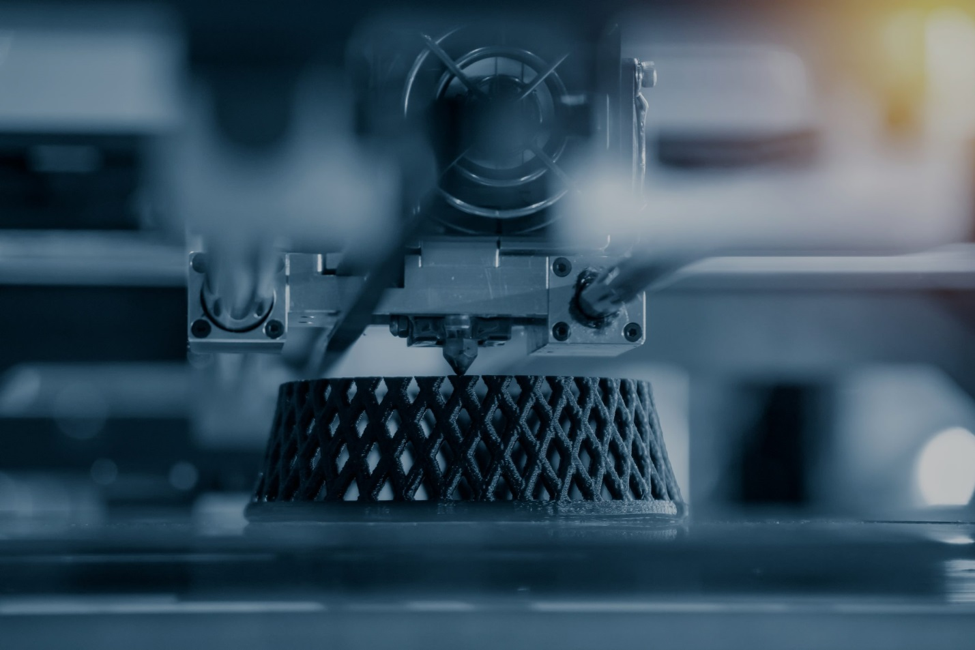
Rapid prototyping has definitely transformed the way companies are developing their products. While turning an idea you have into a physical model could have taken weeks or even months in the past, things have nowadays changed, all thanks to the advanced manufacturing technologies. So, you can now create, test and refine those prototypes in pretty much a fraction of the time. Whether you are developing a new medical device, industrial component, consumer product, automotive part, or anything else, there is absolutely no doubt that rapid prototyping can be of great help, not only for speeding up the innovation, but also for improving product quality and reducing your costs. Here is what it is.
Given the situation on the markets, and the fact that industries are continuing to demand shorter development cycles, as well as faster time-to-market, it is not a surprise that rapid prototyping has become a rather essential part of the modern product development process. The fact that you are here tells me that you want to get a better understanding about its benefits, so that you can figure out all on your own whether you want to use it or not. And then, you also want to figure out how to choose the right company for rapid prototyping, should you decide to give it a go.
Those are both, without a doubt, some quite important questions right there. What we are going to do is, well, answer them for you below. Keep on reading, therefore, to find out what you need to know about rapid prototyping, as it could definitely be of great help for your next project. So, without any kind of further ado, let us get started.
Benefits of Rapid Prototyping
As you most likely understand already, rapid prototyping is the process of quickly creating physical models or functional prototypes from, well, digital designs. The process relies on additive manufacturing technologies, which is also known as 3D printing, but there are some other methods that can be used here as well, which depends on the actual project requirements. The idea here is for companies to produce prototypes directly from CAD files, instead of having to invest in expensive molds or tools. Let us now check out how companies can actually benefit from that.
You can read about some of those here as well: https://www.linkedin.com/pulse/unlocking-innovation-5-benefits-rapid-prototyping-eric-ramseur-okuze/
Unsurprisingly, one of the biggest benefits of this option is the actual speed. Basically, while those traditional manufacturing methods require some lengthy setup processes, tooling creation and numerous production stages, rapid prototyping eliminates most of that, given that it allows for parts to be made directly from those digital files. So, you can evaluate the designs quickly and make any kinds of adjustments or changes without having to wait for weeks, and all of this means that you can actually bring your product to the market much faster.
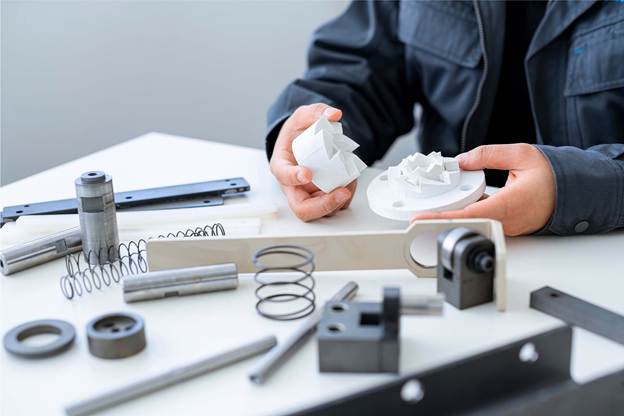
Of course, apart from that, there is also the benefit of the reduced development costs. Put simply, this method allows companies to test their ideas without having to commit to those expensive tooling investments. Modifications can be made digitally, which further means that businesses can avoid expensive redesigns later in the process. And I suppose it is clear that all of this can lead to substantial savings, which is certainly a huge plus.
Greater design flexibility is another amazing benefit to consider. In short, those modern additive manufacturing technologies allow designers to easily experiment with some innovative shapes, optimized components, and lightweight structures without actually having to worry about any kinds of limitations that come with traditional tooling. And this kind of design freedom often results in better products and, clearly, more creative solutions.
Apart from all of this, we cannot fail to mention the fact that rapid prototyping makes it easier to examine products in real-world conditions and to better validate the design. In short, you can easily verify dimensions and fit, evaluate ergonomics, assess functionality, test the assembly processes, as well as identify any design flaws in the early stages. And this, clearly, reduces the risk of expensive mistakes in the later stages.
How to Choose the Right Company for You
Now that you understand some of the benefits of this, what you want to do is figure out how to choose the right company that can provide you with the services you need. And, well, the first thing to do once you come across Norra Additive Manufacturing or any other potential providers is evaluate their technology portfolio. Put simply, take a look at the technology used by the company, keeping in mind that a broader tech portfolio will allow the providers to easily recommend the best solution for your particular application.
From there, remember to assess the material options as well, as those play a huge role in the performance of the prototype. Then, check the specific industry experience of the companies you are considering, and take your time to also inspect their reputation. Finally, get in touch, talk about the lead times, and discuss the prices, so that you can then compare all the info and make your ultimate choice.