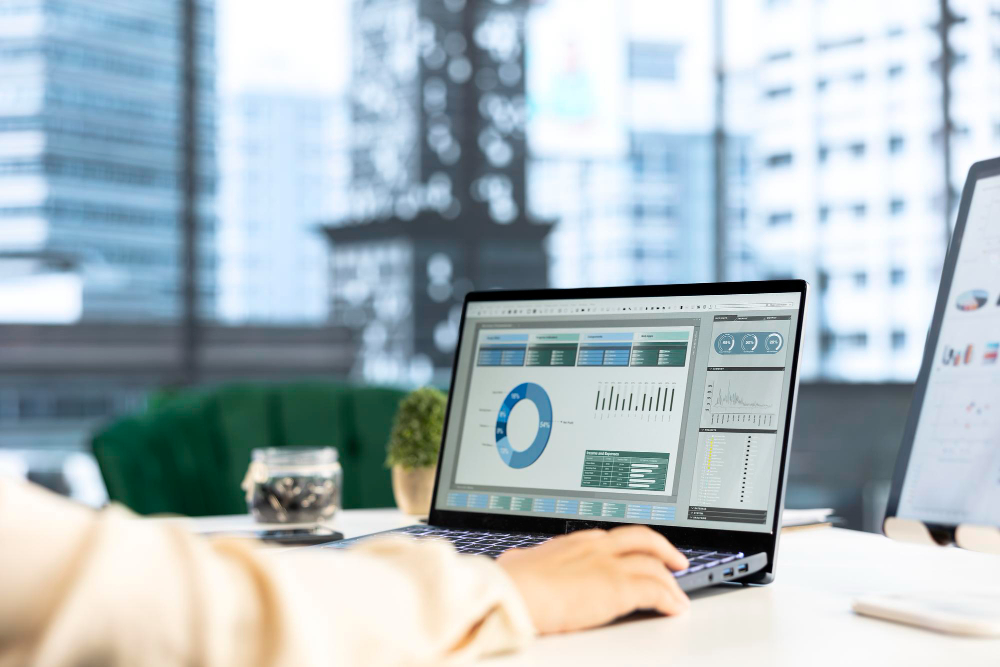
Information accessibility was always at the heart of technology. Computers, cell phones, and cloud technology have transformed the way people access information. They make it faster and more convenient to access information. The next step in technology has arrived. Real-time data will be an important factor in driving digital interactions. Whether someone is monitoring financial markets, tracking deliveries, or streaming live events. Or exploring sports betting online Ireland platforms, instant access to information is becoming an expectation rather than a luxury.
Getting and sharing information fast is changing many industries. It’s happening all over. Businesses decide fast. Consumers get help. Digital services are smart.
One major reason for this change is the rise of connected devices. Smartphones and wearables make a lot of data. Sensors and cameras do too. Smart home devices also create huge amounts of information. This data is valuable only when it can be analyzed and turned into useful insights.
In this procedure, contemporary cloud infrastructure is essential. Businesses now use distributed systems rather than a single server. These systems can manage huge amounts of data all at once. This allows platforms to process updates almost, creating seamless experiences for users.
Artificial intelligence has further accelerated this transformation. AI systems find patterns quickly. They see trends. They make suggestions in seconds. Streaming services give ideas. Online stores suggest items. Navigation apps change paths.
The healthcare industry is also benefiting from real-time data technologies. Wearable devices check heart rates. They also track sleep patterns. Plus, they check activity levels all day. Medical professionals can access this information. It helps them learn about patient health. This way, they can find issues before they become serious.
Significant advancements have also been made in manufacturing. Smart factories use sensors in their machines. They check performance all the time. The maintenance staff is notified when equipment malfunctions. This saves time and prevents costly issues.
The transportation network is increasingly becoming smart using real-time data. Logistics systems today monitor the progress of goods throughout the trip. Companies and customers can follow their shipments very closely. Firms optimize the delivery process to make sure that they reduce fuel consumption.
The automotive sector is moving in a similar direction. Connected vehicles generate data related to speed, location, fuel efficiency, and system performance. Manufacturers use this info. It helps make vehicles safer. It also improves user experiences. Plus, it supports the growth of self-driving technology.
Smart cities provide one of the most visible examples of real-time technology. Urban planners use connected infrastructure. This helps traffic flow better. It also manages energy use. Plus, it monitors public services. Traffic lights change with traffic. Sensors check the air. They are in every neighborhood.
The rise of edge computing is helping to support these advancements. Organizations sent data to centralized data centers for processing. Edge computing brings processing near the data source. This cuts down delays and speeds up response times. This is key for apps that need quick action. Think of self-driving cars and factory systems.
Cybersecurity has also evolved alongside real-time technologies. Modern security systems check networks for unusual activity. Intelligent systems can find suspicious behavior. They respond on their own. This means you don’t have to wait for someone to discover a breach. This proactive approach helps organizations reduce risks and strengthen digital protection.
Innovation is still fueled by consumer expectations. People are used to tailored experiences, quick-loading apps, and immediate updates. Businesses that fail to meet these standards often find it hard to compete. Businesses are investing a lot in technology. This tech helps them process information fast.
Experts expect the expansion of 5G networks to speed up this trend even further. Faster connectivity lets devices talk to each other. This leads to more chances for new ideas. Apps like augmented reality and virtual reality need low latency. They also need fast data speeds. Remote collaboration and connected infrastructure help, too.
Meanwhile, companies are faced with crucial problems. Processing huge volumes of data demands many efforts from an organization. Privacy issues only become more pressing because of connected devices gathering increasing amounts of data. Companies have to be innovative while still taking care of data responsibly.
Organizations are investing in better data management strategies to ensure reliability.
In the future, real-time information processing will mix more with daily life. It will be everywhere we go and everything we do. Emerging technologies are digital twins, advanced robots, and next-gen AI. They need to be fast. They respond quickly.
Digital twins, for example, create virtual representations of physical objects or systems. These models always get real-world data. This helps engineers run simulations. They can find issues and improve performance. Best of all, it doesn’t disrupt operations.
The future of technology is increasingly centered around speed, intelligence, and connectivity. Real-time data lets systems change quickly. They respond better and give users a more intuitive experience.
Tech trends often fade away. But the need for faster and smarter information processing will stick around. Real-time tech will be important, and infrastructure is better now. Innovation is also growing.
Businesses, governments, and consumers need correct information. It’s important to get it on time. This gives a real advantage.