As long as society has existed, so has debt, and the concept has not fundamentally changed over time. You borrow money, and eventually, you pay it back.
What has changed is the way people feel about borrowing. The shift is cultural as much as it is financial. Some would argue it’s generational. Breaking down what exactly changed requires looking at more than just interest rates and credit scores.
A Brief, Human History of How We’ve Borrowed Money
For much of the twentieth century, buying something you could not immediately afford meant one of two things: layaway or credit. For the working class, layaway was the main option. How it worked was that you put an item on hold at a store, making payments on it over time as you saved up the money, but the item only came home with you once it was fully paid off.
Yes, there was a debt to be paid to the store, but there was no interest. And if you couldn’t keep up with the payments, there was usually an option to pay a cancellation fee. It was a slow and steady process, built around delayed gratification and living within your means. Credit cards inverted that entirely—take the grand item home today and worry about the bill later!
Through the 1980s and 1990s, credit card debt became normalized as a feature of adult life rather than a warning sign. It was aspirational to have a credit card, even better to have multiple. The cards in your wallet were a sign that your credit score and income were high and established enough to garner you this plastic reward.
Spending beyond your means was common, as consumption became its own form of achievement. Then, social media arrived, completely changing the name of the game. A new form of social praise and accomplishment arrived in how perfectly curated your social media feed could become. Who could take the most lavish, photographable trips? Who could eat at the fanciest, most eye-grabbing restaurants? It became less about the experience and more about how well you could document it—how rich you could successfully act.
Platforms built around visual content like MySpace and Facebook, later Instagram and TikTok, created a new pressure to perform the lifestyle, regardless of whether you can personally finance it. The desire to impress the neighbors officially extended to needing to impress every friend and colleague you’ve ever known.
The 2008 financial crisis hit that culture like a hard stop. Suddenly, the debt-as-aspiration model collapsed in a very visible and painful way for Americans. Families lost homes. People who had played by the rules with a steady job, good credit, and solid mortgage now found themselves underwater. Almost no one made it out unscathed. For a generation of children watching this happen, the lesson was clear: open-ended financial obligation is dangerous.
The Psychology of “It’s Not Really Debt”
Buy now, pay later platforms did not invent a new financial product, so much as they repackaged an old one in a new way that felt entirely different.
A credit card balance has no defined end point. You make a minimum payment, interest builds, the balance persists, and the total cost of whatever you originally bought keeps climbing invisibly in the background. The number will never hit zero unless you pay the card off in full and stop using it completely. The psychological burden of that open-ended obligation is heavy. Researchers who study the “pain of paying” have found that credit card spending numbs the discomfort of parting with money, but the lingering debt keeps a low-grade anxiety hanging around long after the initial purchase.
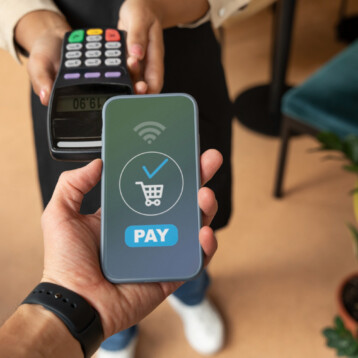
Social media has only reinforced this. The scroll-and-shop experience, with influencers linking to Amazon storefronts and Shein products, has removed many of the natural friction points from impulse spending. Buy Now, Pay Later naturally fit right into this set-up by removing the last obstacle: not having the full amount right now.
Two companies arrived early and grew large enough to define the category: Klarna and Affirm. Both operate on a version of the same model: apply for the service at checkout, get an instant approval or denial, and split the purchase into monthly installments. Klarna optimized for frequency and ease on smaller purchases, while Affirm focused on larger dollar amount transactions.
What both companies share is a successful origin story rooted in the same cultural moment: a generation of consumers who wanted immediate access to shopping funds yet distrusted traditional credit lines.
The Generational Accelerant
Gen Z’s relationship to credit cards is often described as avoidance, but that framing undersells the more complicated reality. It’s not that younger consumers are financially timid or uninterested in big spending. It’s that they witnessed their parents seriously struggle under the financial weight of an economic crisis and forever-looming student loan debt. They have been scared off—and who can blame them?
They also grew up on social media in a way that even Millennials didn’t. While they absorbed the pressure to keep up with the Joneses via social media, they also developed a healthy level of suspicion around the mechanisms that previous generations used to fund it. Platforms like Klarna and Affirm understood this wariness, and they were intentional in marketing themselves as something different and new.
However, the late fees, deferred interest on some products, and sheer ease of approval mean that Buy Now, Pay Later is not inherently safer than a credit card. For disciplined, responsible consumers using it for specific purchases, it works well. For consumers making an impulse purchase off the TikTok store, it becomes a different calculation.
The Bigger Picture
Social media created an economy of desire and immediacy. It made aspirational spending more visible, normal, and constant. It’s hard for someone to want to cook their own dinner when they see a different set of friends eating out every night. It’s a false illusion, though. The same person is never spending that much money every night—and if they are, they are living recklessly. However, because your brain sees a constant feed of new clothes, food, and experiences, it has a hard time distinguishing the facts from reality and saying no to a Buy Now Pay Later impulse purchase.
The shift in how we borrow is real, and parts of it represent genuine progress. What it has not done is remove the fundamental truth about debt. It is still money you need but do not have.