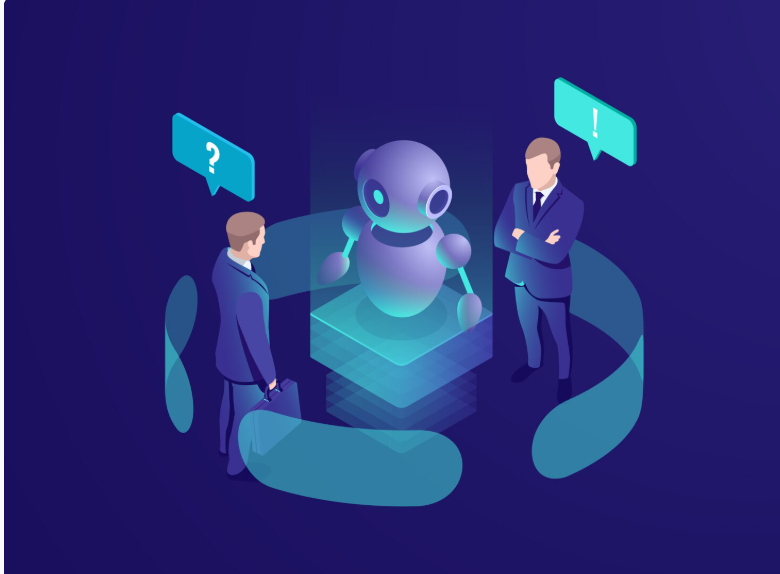
Artificial intelligence is no longer limited to chatbots and simple automation tools. Businesses are increasingly exploring AI agents that can perform tasks, analyse information, interact with software systems, and support decision-making processes with minimal human intervention.
However, deploying AI agents successfully requires more than selecting a language model and connecting it to company data. Organisations must carefully evaluate business goals, technical requirements, security considerations, and operational readiness before implementation begins.
This is why AI agent consultation has become an important first step in many enterprise AI initiatives.
Why Organisations Need a Strategic Approach to AI
The rapid growth of AI technologies has created both opportunities and challenges for businesses.
Many organisations face questions such as:
- Which processes should be automated first?
- What type of AI agent is most suitable?
- How can AI integrate with existing systems?
- What security and compliance requirements must be addressed?
- How can success be measured?
Without clear answers, companies often struggle to move beyond pilot projects or fail to achieve meaningful business outcomes.
A structured consultation process helps organisations establish realistic expectations and create a roadmap for implementation.
Understanding the Role of AI Agents
AI agents differ from traditional software because they can reason, plan, retrieve information, and take actions across multiple systems.
Depending on the use case, agents may:
- Respond to customer enquiries
- Process documents
- Generate reports
- Coordinate business workflows
- Assist employees with daily tasks
- Analyse large datasets
- Interact with enterprise applications
As these capabilities expand, the complexity of implementation increases as well.
What Happens During an AI Agent Consultation?
An effective ai agent consultation typically focuses on understanding both business objectives and technical realities.
Business Process Assessment
Consultants review existing workflows to identify areas where AI can generate measurable value.
Not every process benefits equally from automation, making prioritisation an important part of the assessment.
Technical Evaluation
Existing infrastructure, software systems, data sources, and integration requirements are analysed to determine implementation feasibility.
This helps organisations avoid costly architectural mistakes later in the project.
Use Case Definition
Successful AI projects begin with clearly defined use cases.
Consultation helps organisations focus on initiatives that offer the highest potential return on investment while maintaining manageable implementation complexity.
Risk and Compliance Review
Data privacy, regulatory requirements, cybersecurity risks, and governance considerations must be addressed before deployment.
Early planning reduces potential compliance issues and operational risks.
Common Areas Where AI Agents Deliver Value
AI agents are increasingly supporting a wide range of enterprise functions.
Customer Experience
Agents can automate support interactions, retrieve information, and assist customers across multiple communication channels.
Internal Operations
Routine administrative tasks, reporting activities, and workflow coordination can often be automated effectively.
Sales and Marketing
AI systems can assist with lead qualification, research, campaign support, and customer engagement activities.
Software Development
Development teams use AI agents for coding assistance, documentation, testing, and quality assurance.
Knowledge Management
Agents help employees locate information quickly across large internal knowledge repositories.
Benefits of Early Consultation
Many AI implementation challenges originate during planning rather than execution.
Organisations that begin with a structured consultation process often benefit from:
- Faster project delivery
- Better technology selection
- Reduced implementation risks
- Clearer success metrics
- Improved stakeholder alignment
- Stronger governance frameworks
- More predictable return on investment
A well-defined strategy provides a stronger foundation for long-term AI adoption.
Preparing for Agentic AI
The industry is moving toward increasingly autonomous systems capable of managing complex workflows with limited human supervision.
As organisations prepare for this transition, understanding how AI agents fit into existing operations becomes increasingly important.
Consultation provides an opportunity to evaluate readiness, identify opportunities, and create a practical roadmap for future growth.
Businesses that take a strategic approach today are likely to gain a competitive advantage as agent-based technologies continue to mature.
Conclusion
AI agents have the potential to transform business operations, improve efficiency, and unlock new opportunities for innovation. However, successful implementation requires careful planning and a clear understanding of both business and technical requirements.
By investing in a structured consultation process, organisations can reduce uncertainty, prioritise high-impact opportunities, and build a sustainable foundation for enterprise AI adoption. As AI continues to evolve, strategic planning will remain one of the most important factors determining long-term success.