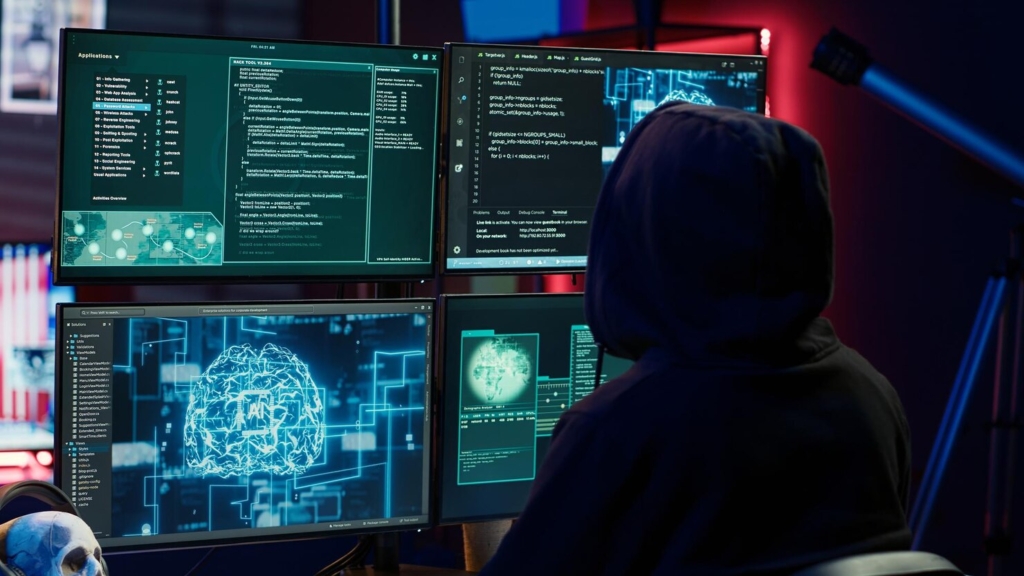
Man, artificial intelligence has changed pretty much everything these days. We use it to get work done faster, write better emails, generate pictures… You name it. But while the rest of us are out here being productive, the scammers have gone full throttle with it, too. The fraud they’re pulling off now is way more convincing than the garbage we saw even a couple of years ago.
Traditional online scams usually contain obvious warning signs, such as poor grammar, suspicious links, or unrealistic requests. Today’s AI-powered scams are much more difficult to recognize. Fraudsters can generate real emails, clone voices, create fake identities, and even produce convincing videos that appear authentic.
As these techniques continue to change, identity theft is becoming harder to detect and prevent. Understanding how these scams work is the first step toward protecting personal information before it falls into the wrong hands.
This article explains how artificial intelligence is changing online fraud, why identity theft is becoming more complex, and the practical steps individuals can take to reduce their risk.
The Rise of AI-Driven Cybercrime
What’s wild is how low the bar is now. You don’t need to be some genius hacker anymore. Anyone can grab AI tools and start cranking out convincing attacks.
They don’t write phishing emails by hand. They generate tons of them fast, personalize them with info they scraped from your social media, and make them sound just right. It’s not the generic junk mail anymore. It feels personal.
AI Is Making Phishing More Convincing
Phishing is still the main game, but man it’s improved.
Old ones were full of mistakes and sounded off. These new ones? Clean writing, good structure, and they reference stuff that actually matches your life. An email pretending to be from your company or bank can look totally normal if you’re not paying close attention.
I’ve almost clicked on things myself when I was distracted. Regular people are getting hit because the usual red flags just aren’t as obvious. You gotta be more careful than ever.
Voice Cloning Creates New Risks
One of the threats that’s growing really fast is AI voice cloning, and I think this one is particularly worrying.
With just a short piece of audio, something from a public video, a voicemail, or wherever, attackers can create voice recordings that sound incredibly similar to the real person. These cloned voices have already been used in actual scams against families, companies, and financial places.
Think about getting a call that sounds exactly like your coworker asking for an urgent payment or like a family member who says they need help with money right away because of some crisis. Without stopping to verify it properly, lots of people would probably go along with it. As the technology for voice synthesis gets even better, it’s becoming more important than ever to have ways to confirm things before you act on them.
Fake Identities Are Becoming More Realistic
AI can now create realistic profile photos, fake resumes, ID documents, and entire online histories. Scammers build these profiles slowly, on LinkedIn, Instagram, and fake company sites, so everything looks connected and believable.
It’s not just one weird photo anymore. It’s a whole package that makes you think, “yeah, this person seems real.” Companies trying to hire or partner with someone, and even regular people, are getting fooled more often.
Why Identity Theft Is Harder to Detect
It used to be pretty straightforward, someone steals your card or password and that’s it. Now they mix data from old breaches, your public social media, successful phishing, and AI-generated stuff to build really targeted attacks.
Victims may not realize their identity has been compromised until unauthorized financial activity, new account creation, or unusual credit inquiries begin to appear.
The more convincing scams become, the longer they may go unnoticed.
What to Do Next
I’m not gonna pretend there’s some magic fix, but there are things that make a real difference:
Start with multi-factor authentication on your important accounts. Use a password manager so you’re not reusing the same weak ones everywhere. Be super careful with any unexpected calls or emails pushing you to send money or share info fast.
Check your bank statements and credit report every so often. Some people use identity protection services too. I’ve seen Identity Guard come up in a bunch of reviews for the monitoring and alerts they do. Might be smart to look at your options before you need them.
As identity-related fraud continues to change, proactive monitoring is becoming increasingly valuable. Rather than waiting until personal information has been misused, it is worth comparing reputable identity monitoring solutions in advance. Cybernews reviews Identity Guard as a trusted identity protection option, helping readers understand its monitoring features, fraud alerts, and overall suitability before making a decision.
Everyday Habits That Improve Personal Security
Technology plays an important role in preventing identity theft, but daily habits remain equally important.
Consider these simple practices:
- Always verify weird requests before you act on them
- Don’t overshare personal details online
- Keep your devices and apps updated
- Turn on alerts for your bank accounts
- Use a password manager
- Actually look at your accounts every so often
These habits reduce the chances of attackers successfully exploiting personal information.
Staying Ahead of Emerging Threats
Artificial intelligence will continue to influence both cybersecurity and cybercrime. As defensive technologies improve, attackers will also develop more advanced methods for deceiving their targets.
For most of us as individuals, the smartest thing is to stay informed about what’s happening. When you have a decent understanding of how these modern scams work, you’re in a much better position to recognize suspicious behavior before you give away sensitive information.
Rather than relying on a single security tool, combining awareness, good digital habits, and proactive monitoring offers stronger long-term protection.
Conclusion
AI turned online scams into something much smoother and harder to spot. Voices, faces, emails, it’s all getting too convincing, and identity theft is sneaking past the old warning signs.
But you can still protect yourself a decent amount. Stay aware, build some good habits, verify things, and keep an eye on your info. In this weird AI world we’re in, a little healthy skepticism goes a long way.
In this increasingly AI-driven digital world we live in, staying informed and proactive might be one of the best defenses you have to protect your identity before any fraud happens.