Caregivers coordinate appointments, manage medication lists, explain symptoms, and keep records up to date. They also carry the emotional weight of uncertain diagnoses and changing care plans. Small administrative jobs multiply across portals, forms, phone calls, and insurance requests. Artificial intelligence reduces that workload by organizing information and recording next steps. Used properly, these tools give caregivers more time and attention for the person receiving care during demanding days.
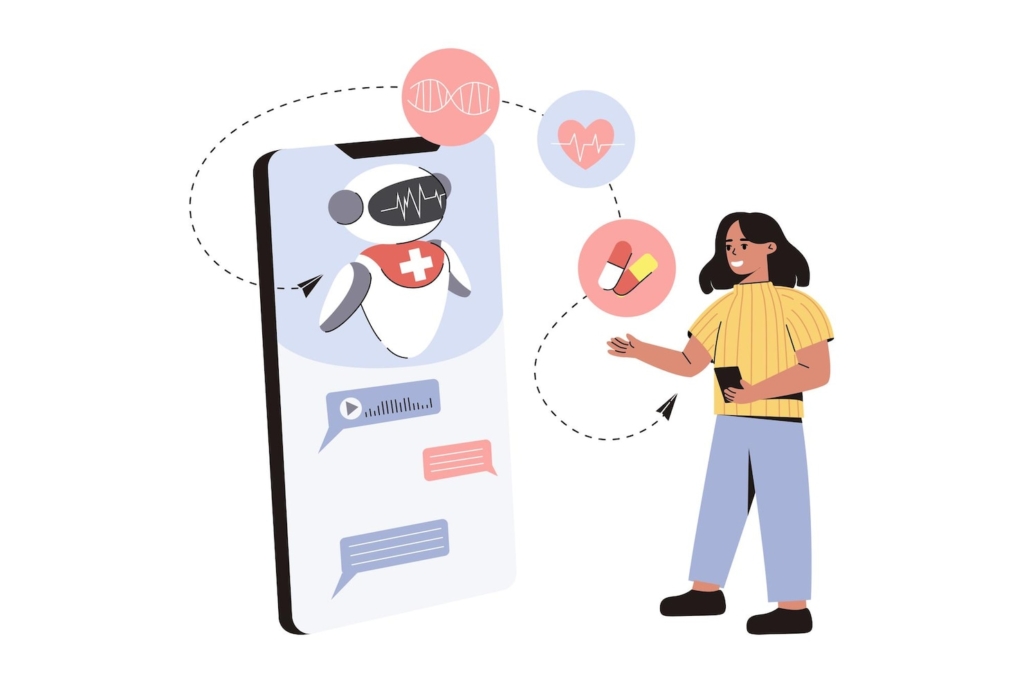
Caregivers need a reliable way to gather records, track questions, and prepare details before a visit. A clear AI patient support resource places these tasks in one accessible workflow, so families spend less time searching through portals and paper files. It also gives patients one place to review information before discussing decisions with clinicians.
The Work Behind Every Appointment
Appointment preparation often starts days before a patient enters an examination room. A caregiver might search for older test results, compare medication lists, review symptoms, and write questions for several specialists. Each task takes time and creates another chance to miss a detail.
Artificial intelligence reduces this scattered work by organizing medical records in one place. A caregiver can review a patient’s history, identify discussion points, and prepare notes before the appointment. The process does not remove the caregiver’s role. It gives that role a clearer structure.
This approach matters during rare or complicated care journeys, when families manage information across several providers. A single record view helps caregivers spot changes and bring precise questions to the care team.
Turn Visits Into Usable Records
Many caregivers struggle to remember every detail from a medical visit. Stress, unfamiliar terms, and several speakers can make note-taking difficult. Missing one instruction can create more calls and follow-up work later.
An artificial intelligence assistant that records and summarizes a visit gives the caregiver a written account of the discussion. The summary can capture next steps, later questions, and instructions that need review. Caregivers can focus on the conversation instead of dividing their attention between listening and typing.
A written summary also helps families share accurate information with relatives or other caregivers. That reduces repeated explanations and keeps everyone working from the same record.
Reduce Paperwork After The Visit
Caregiving includes many tasks outside the examination room. Families often prepare school documents, insurance paperwork, referral details, and messages for providers. These tasks require accurate medical information, yet caregivers often complete them while managing daily routines.
Artificial intelligence helps organize the source information needed for those documents. It can also help caregivers draft clear questions and summaries for review. Every draft needs checking, especially when it includes dates, medication details, or insurance-related requests.
This process saves time without handing decisions to software. The caregiver remains responsible for confirming the facts and sending the final document to the correct person.
Keep Privacy And Clinical Limits Clear
Medical information requires careful handling. Families should know where records are stored, who can access them, and whether outside companies use them to train artificial intelligence systems. The site states that patient information remains private and secure, is not shared with third-party artificial intelligence companies, and is not used to train their algorithms. It also reports SOC 2 certification for its security practices.
Privacy controls matter because convenience should not require unnecessary exposure of health records. Caregivers should review consent settings and share summaries only with people involved in care.
Artificial intelligence support also has clear boundaries. These tools help patients understand and organize medical information, but they do not provide medical advice, diagnoses, or treatment recommendations. A clinician must answer questions about symptoms, medication changes, and treatment decisions.
Give Caregivers Time Back
The greatest benefit comes from reducing repeated administrative work. A caregiver who finds records quickly, prepares focused questions, and receives a usable visit summary spends less time reconstructing information. That time can be spent on transport, comfort, daily routines, or rest.
Artificial intelligence does not replace the relationship between a patient, caregiver, and medical team. It supports the practical work surrounding that relationship. With clear privacy protections and careful review, organized information becomes a dependable aid throughout an ongoing care journey.
Conclusion
Caregivers should begin with one recurring task, such as appointment preparation or post-visit notes, and build a simple review routine around it. Before sharing an artificial intelligence-generated summary, the caregiver should check names, dates, medications, and next steps against the original record. That habit keeps clinical decisions with qualified professionals while reducing avoidable paperwork. The result is clearer communication, less administrative strain, and more time for direct care.