Advanced edge erosion presents a huge operational and financial challenge for commercial renewable energy providers worldwide. Environmental factors such as insects, airborne sand, rain, and hail will eventually degrade the pure aerodynamic profile of rotating blades. The rough surface can disrupt the seamless airflow, reduce aerodynamic efficiency, and lead to a sharp decline in annual energy production. Deploying proactive inspection strategies enables asset managers to detect early structural wear before small pitting develops, which can lead to fatal issues if ignored.
The science of blade surface deterioration
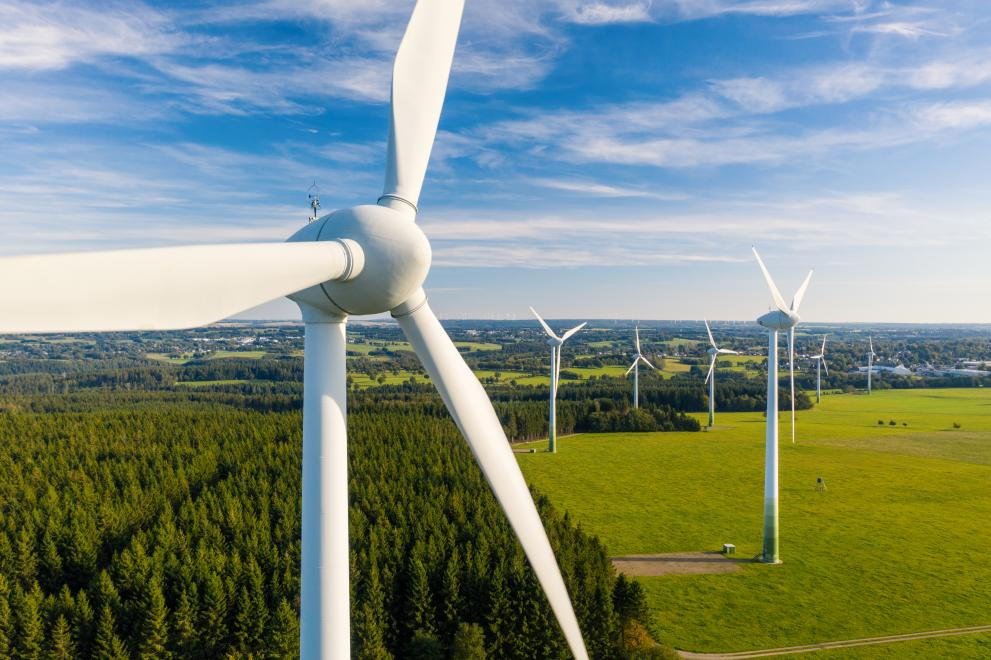
Ongoing exposure to high-velocity airborne particulates and rain droplets wears down the secure external coatings of spinning rotors. Tip speeds can exceed 180 miles per hour, subjecting the small environmental factors to highly abrasive forces over time. If wind turbine maintenance is not performed promptly, this end-to-end bombardment strips away all the gelcoat layers, exposing the fiberglass beneath the composite structure. Such exposure allows moisture to seep deep into the laminate, leading to excessive delamination and a deterioration of overall structural integrity.
Repower 5M – Largest Wind Turbine
The financial aspects of yearly energy production
Wind farm operators lose money due to aerodynamic wear and tear on equipment caused by reduced daily electricity output.
- When small amounts of surface pitting develop at the tips of turbine blades, it can reduce the turbine’s overall aerodynamic efficiency by several basis points.
- The further that the pitting progresses, the lower the lift/drag ratio will be, requiring the generator to work harder with significant reductions.
If this occurs too late in the lifecycle, the combination of lost energy revenue and turbine repair costs will consume 100% of the estimated quarterly profit.
Reactive and predictive maintenance models
Emergency crane rentals and rushed technician schedules due to reactive maintenance strategies mean asset managers are forced to pay premium prices for these services. If the asset manager participates in a predictive program, they can use regular high-resolution drone photography and thermal imaging to track surface conditions continuously.
By catching micro-cracks during scheduled seasonal shutdowns, operators can then perform minor touch-ups during periods of low wind, resulting in minimum total downtime. Cost savings by transitioning to a data-driven predictive schedule will reduce overall operating costs and extend the life of expensive composite components.
Asset lifecycle advantages in the long-run
The proactive management of the surface will fundamentally change the long-term economics of a region’s green energy portfolio.
- By ensuring rotor blades are always in the most aerodynamic shape possible, you can prevent internal structural problems.
- Consequently, if you keep your blades in good condition, they will achieve the full 25-year design life and deliver peak power output to the local utility grid.
- By investing in a systematic program of preventative maintenance, you will not only maximize the return on your original capital investment,
Additionally, it will also create a relatively stable energy infrastructure which will be beneficial in the long run.
Final words
Therefore, to combat the erosion of leading edges, a commitment to consistent high-altitude structural inspections and data-driven repair schedules is needed. By addressing minor surface pitting at the earliest possible stage, fragile composite components can be protected, power generation stabilized, and long-term operational liabilities reduced. Wind farm operators can minimize downtime across their entire fleet of renewable energy assets by using specialized aerial equipment and predictive analytics. To learn more about advanced methods to optimize your clean energy assets, visit https://www.bladeplatforms.com/.