Retailers need a reliable supplier to maintain a well-organized CBD product selection and provide customers with accurate information. Quality standards, product variety, pricing terms, and supplier support can influence how businesses manage their inventory. Choosing a wholesaler requires careful evaluation beyond product costs or availability. Reviewing testing practices, documentation, ordering requirements, and product options helps retailers make informed decisions. This article explains the key factors retailers should evaluate before choosing a CBD wholesaler.
Check Product Quality and Testing Documentation
Product quality is one of the first factors retailers should review before partnering with a supplier. A reliable wholesale CBD provider should offer details about product ingredients, testing procedures, and available documentation. This information helps retailers understand the products they add to their inventory and provide accurate details to customers.
Third-party laboratory testing can help verify product information and consistency. Retailers should review Certificates of Analysis (COAs) to check cannabinoid levels, ingredient details, and test results. Batch-specific documentation can also help businesses maintain transparency when managing their product selection.
| Information to Review | Purpose |
| Certificate of Analysis | Provides third-party testing information for products |
| Ingredient information | Helps retailers understand product composition |
| Manufacturing details | Provides insight into production standards |
| Product labeling details | Helps verify product information and packaging details |
Evaluate Product Range and Inventory Options
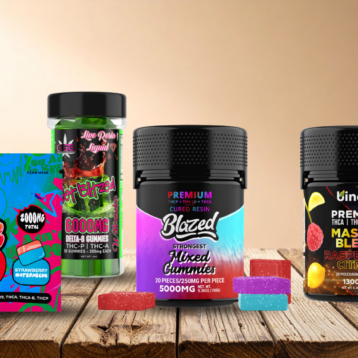
A supplier’s product selection should match the needs of a retailer’s customer base. Businesses should review available product categories, formats, and product details before making purchasing decisions. A suitable selection allows retailers to organize inventory based on their store type and customer preferences. Retailers can evaluate options such as tinctures, gummies, capsules, and topical products based on their target audience. They should also review available strengths, packaging information, and stock details to determine if the supplier can support their inventory plans.
Compare Wholesale Terms and Pricing Details
Pricing is an important part of supplier evaluation, but retailers should consider the overall purchasing terms instead of focusing only on cost. Businesses should review wholesale rates, minimum order quantities, shipping details, and reorder processes before selecting a supplier. Order requirements should match the retailer’s operational needs. Smaller businesses may prefer lower order quantities, while larger retailers may require bulk purchasing options. Reviewing these factors helps businesses plan inventory expenses and maintain better control over purchasing decisions.
Review Supplier Support and Business Resources
Retailers should evaluate the level of support available from a supplier before creating a long-term partnership. Helpful resources may include product details, ordering assistance, account support, and marketing materials that help retailers manage their product information. Clear communication can simplify the ordering process and help businesses address questions related to products or inventory. Suppliers that provide useful resources can make it easier for retailers to maintain accurate product details across their sales channels.
Confirm Product Transparency and Documentation Practices
Retailers should review supplier transparency before adding products to their inventory. Accurate labels, clear product descriptions, and accessible documentation help businesses understand the products they offer. Businesses should check whether suppliers provide consistent information about ingredients, testing, and product specifications. Reviewing these details allows retailers to select products with proper documentation and maintain clear communication with customers.
Consider Private Label Options and Product Fit
Some retailers may consider private label options when building their product selection. Before choosing a supplier, businesses should review available branding options, product requirements, and support details related to private label products. Retailers should also consider how a supplier’s product range fits their customer base. Understanding preferred formats and product categories can help businesses create an inventory that matches their store’s focus.
A wholesale CBD provider should be evaluated based on product quality, testing information, inventory options, pricing structure, and supplier support. Retailers that review these factors can make informed choices when developing their product selection and managing supplier relationships. Careful evaluation creates a stronger foundation for responsible CBD retail operations.