As electric vehicles move from a niche interest to a mainstream way to get around, the infrastructure supporting them is changing fast. One of the most important areas evolving is how we pay for charging. The simple act of paying for electricity is becoming a sophisticated, integrated system that promises more convenience for drivers, simpler management for businesses, and better stability for the power grid itself.
Cashless Charging Trends
The days of fumbling for a credit card at a charging station are quickly fading. The future of EV payments is largely cashless and increasingly effortless. Today, most people use dedicated mobile apps or RFID cards for quick tap-and-go authentication. Drivers can link a payment method to their account once, making for a much smoother experience across a network of chargers.
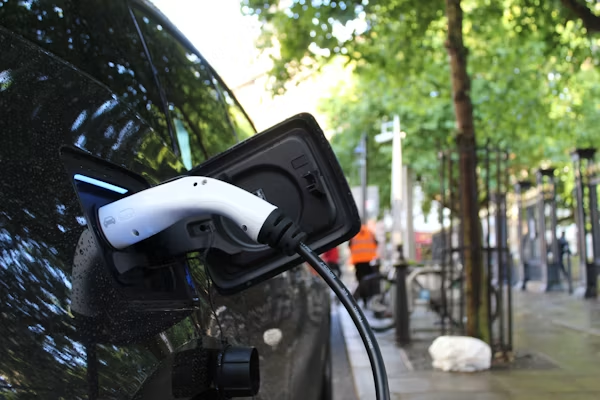
But the ultimate goal is a technology called “Plug & Charge.” This system, based on the ISO 15118 standard, lets the vehicle talk directly to the charging station. The car authenticates itself and automatically approves payment, so the driver just has to plug in. This makes charging as easy as plugging in a smartphone, removing a big hurdle for more people to adopt EVs.
Simplifying Corporate Expenses
For businesses running fleets of electric vehicles, keeping track of charging costs is a big challenge. Employees might charge company vehicles at the office, at public stations, or even at home. This creates a complex web of transactions and reimbursement requests that can be hard to track and process efficiently.
New platforms are popping up to fix this by bringing all charging-related expenses into one manageable system. Services like Rightcharge EV charging help businesses with a single solution for tracking energy use and simplifying payments, no matter where the charging happens. This gives companies a clear picture of their fleet’s energy costs and automates employee reimbursements for home charging, turning a complicated administrative task into a simple, streamlined process.
Smart Grid Integration
EVs are more than just transport; they’re essentially big batteries on wheels. This unique feature opens up powerful possibilities for smart infrastructure and grid integration. Smart charging allows vehicles to charge automatically during off-peak hours when electricity is cheaper and there’s less demand on the grid. This not only saves the owner money but also helps utility providers balance the electrical load.
The next step in this evolution is Vehicle-to-Grid (V2G) technology. With V2G, EVs can send stored energy back to the grid during peak demand, acting like a distributed power source. This needs a sophisticated payment system that can handle two-way transactions, crediting EV owners for the energy they contribute. This creates a dynamic relationship where EV owners can actively participate in and profit from the energy market.
Fraud Prevention in EV Networks
As payment systems become more connected and automated, making sure they’re secure is crucial. The network of chargers, vehicles, and payment processors creates many potential weak points for fraud and data theft. Malicious actors could potentially skim credit card information, intercept personal data, or even disrupt charging sessions.
To fight these threats, the industry is putting strong security measures in place. Tokenization, for example, replaces sensitive payment data with a unique, non-sensitive token, making any intercepted information useless. End-to-end encryption ensures data is secure from the moment it leaves the vehicle or app until it reaches the payment processor. Strong authentication protocols, like those used in Plug & Charge, verify the identity of both the vehicle and the charger to prevent unauthorized access.
Beyond the Charging Station
The future of wireless EV charging is on the horizon, where vehicles can charge just by parking over an inductive pad in the ground. In this scenario, payment will become completely invisible and automated, handled in the background as the vehicle authenticates itself upon parking.
What’s more, EV charging payments will likely become part of broader Mobility-as-a-Service (MaaS) platforms. Imagine a single monthly subscription that covers your public transit fares, bike-share use, and EV charging costs. This bundling of services simplifies urban mobility and positions EV charging as just one part of a larger, interconnected transportation ecosystem.
The evolution of EV payments aims to create a system that is not only secure and efficient but also smart and easy to use. As these technologies mature, paying for a charge will become an invisible, seamless part of the electric driving experience.