The Origins of Moissanite
Moissanite’s story begins in 1893 when French chemist Henri Moissan discovered microscopic crystals in a meteor crater in Arizona. Initially mistaken for diamonds, these crystals were later identified as silicon carbide. Their rarity in nature meant that scientists had to recreate them in laboratories, a breakthrough that allowed moissanite to become a viable gemstone for modern jewellery.
The Science of Brilliance
Moissanite is prized for its exceptional optical properties. Its refractive index is higher than that of diamonds, meaning it bends light more intensely. This results in a fiery sparkle that many describe as more vibrant than traditional diamonds. Its hardness, second only to diamond on the Mohs scale, ensures durability for everyday wear. These qualities make moissanite not just a substitute but a scientifically superior option for those who value brilliance and resilience.
Heat Resistance and Longevity
Unlike many gemstones, moissanite can withstand extreme temperatures without losing clarity or colour. This stability makes it ideal for jewellery that is meant to last generations. Couples seeking engagement rings often appreciate that moissanite retains its sparkle even after decades of wear.
Moissanite in Modern Jewellery Design
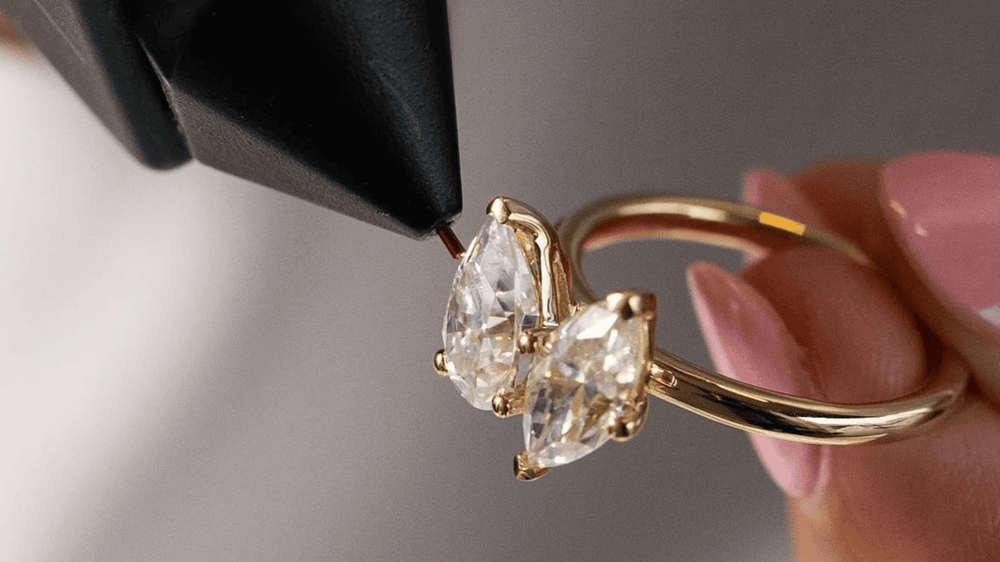
Jewellery designers have embraced moissanite for its versatility. Its lab‑grown origins allow for consistent quality and ethical sourcing, aligning with the growing demand for sustainable luxury. Designers can cut moissanite into a wide range of shapes, from classic round cuts to avant‑garde geometric designs, without compromising brilliance.
Ethical and Sustainable Appeal
Modern consumers are increasingly conscious of the environmental and ethical implications of their purchases. Moissanite, being lab‑created, avoids the ecological footprint and social concerns tied to diamond mining. This makes it a gemstone that reflects both beauty and responsibility.
The Role of Technology in Jewellery Innovation
Advances in materials science and gemology have elevated moissanite from a scientific curiosity to a cornerstone of contemporary jewellery. Precision cutting techniques, computer‑aided design, and sustainable production methods ensure that moissanite pieces meet the highest standards of craftsmanship.
Bridging Tradition and Innovation
While diamonds have long symbolised permanence, moissanite represents progress. It embodies the fusion of tradition with modern science, offering couples a gemstone that is both timeless and forward‑thinking.
Choosing Moissanite Today
For those seeking elegance without compromise, moissanite offers a compelling alternative. Its affordability compared to diamonds allows couples to invest in larger stones or more intricate designs without exceeding their budget. This balance of beauty, durability, and value has made moissanite a favourite among jewellers and consumers alike.
At this point, it is worth exploring the Cullen Jewellery moissanite engagement collection, which showcases how science and artistry combine to create rings that are both stunning and sustainable.
The Future of Jewellery
Moissanite’s rise reflects a broader shift in the jewellery industry. As technology continues to evolve, gemstones like moissanite will play a central role in shaping how we define luxury. The emphasis is no longer solely on rarity but on innovation, sustainability, and personal meaning.