

Introduction
Most business owners believe profit comes from big moves. Launching a new product. Opening a second location. Hiring more staff. Spending more on ads. These changes feel productive because they’re visible. They give you something to point to and say, “This is how we grow.”
But the truth is far less dramatic—and far more profitable.
The businesses that quietly outperform their competitors rarely rely on massive overhauls. Instead, they focus on small, almost invisible changes that compound over time. Changes so subtle that customers barely notice them. Adjustments are so simple that many owners dismiss them as “not worth the effort.”
And yet, these tweaks are often responsible for thousands—sometimes tens of thousands—of dollars added to the bottom line each year.
Profit, after all, is not just about how much money comes in. It’s about how efficiently that money moves through your business, how little leaks out unnecessarily, and how smartly each decision compounds on the next.
This article explores those overlooked changes. The ones hiding in plain sight. The ones that don’t make headlines but make bank.
Why Big Growth Isn’t Always the Answer
Growth and profit are often confused as the same thing. They are not.
You can grow revenue while becoming less profitable. Many businesses do. They add customers but increase costs faster than income. They scale operations without tightening systems. They chase volume while margins quietly erode.
Profit is created in the details. It lives in efficiency, positioning, pricing psychology, operational discipline, and consistency.
That’s why some of the most profitable businesses appear boring on the surface. They don’t constantly reinvent themselves. They refine. They optimize. They pay attention to small levers and pull them relentlessly.
And once you start seeing business this way, you realize how many opportunities you’ve been stepping over every day.
The Power of Tiny Improvements
There’s a concept in performance psychology that explains this perfectly: marginal gains.
A one percent improvement in ten different areas doesn’t feel exciting. But together, those improvements can transform results.
In business, a slightly better conversion rate, combined with slightly better pricing, combined with slightly lower costs, combined with slightly better customer retention creates a powerful effect. None of these changes require a full rebrand or a massive investment. But together, they reshape profitability.
This applies across industries—from service businesses to ecommerce, from brick-and-mortar retail to automated income streams like vending operations.
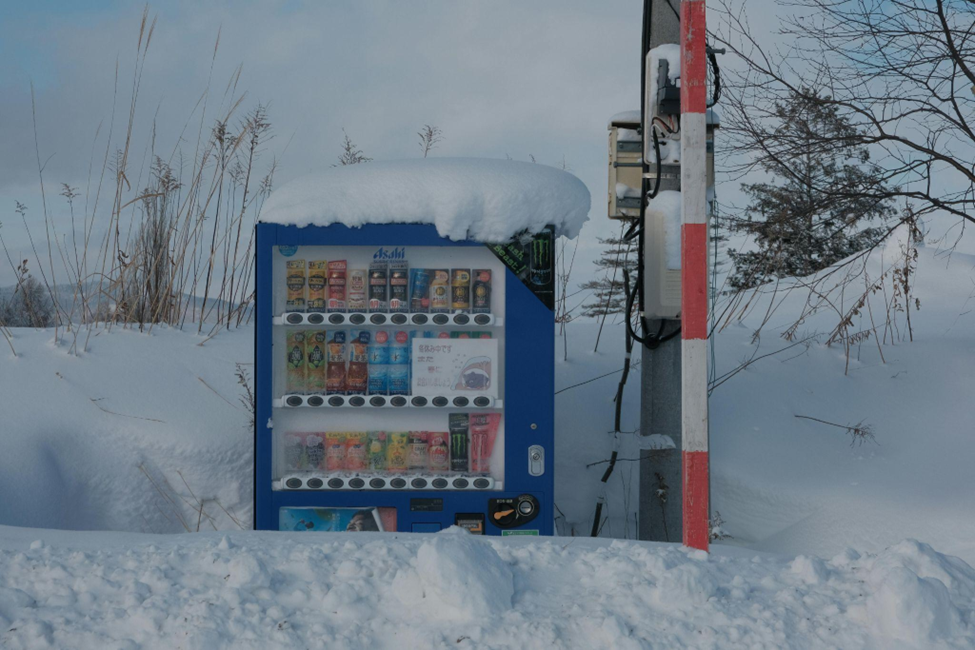
Even something as straightforward as vending machine profit is rarely about adding more machines alone. It’s about product mix, placement, pricing psychology, maintenance schedules, and payment options. Small choices. Big impact.
Pricing Tweaks That Don’t Scare Customers Away
One of the most underutilized profit levers in business is pricing—not drastic increases, but thoughtful adjustments.
Many business owners underprice out of fear. Fear of losing customers. Fear of complaints. Fear of standing out. But customers are far less price-sensitive than most owners believe, especially when value is clear.
A modest price increase of even three to five percent often goes unnoticed, particularly when paired with small improvements in presentation, service, or convenience. Yet that increase drops almost entirely to the bottom line.
What’s more powerful is strategic pricing. Slightly restructuring packages. Adjusting the way options are presented. Anchoring higher-priced options first so mid-tier choices feel more reasonable.
In vending, this might mean adjusting product prices by a small margin, introducing premium items, or bundling popular products in higher-margin configurations. Individually, the difference feels minimal. Over thousands of transactions, it becomes meaningful vending machine profit.
Reducing Friction in the Buying Process
Every point of friction between a customer and a purchase reduces profit.
Friction can be obvious, like long checkout times or confusing payment systems. But it can also be subtle. Unclear signage. Too many choices. Inconsistent product availability. Machines that don’t accept preferred payment methods.
Removing friction doesn’t require innovation. It requires observation.
Watch how customers interact with your business. Where do they hesitate? Where do they walk away? Where do they ask questions that shouldn’t need asking?
For vending operations, the shift from cash-only to cashless payments is a classic example. The change feels small. The installation is straightforward. But the impact on transaction volume and average spend is often immediate and dramatic.
People buy more when it’s easier to buy. That principle never changes.
Product Mix: The Silent Profit Driver
Not all products are created equal, even when they sell at similar volumes.
Some items tie up capital longer. Some spoil faster. Some require more maintenance. Others deliver higher margins with fewer headaches.
Yet many businesses stick with the same offerings out of habit.
Regularly reviewing product performance is one of the simplest ways to increase profit without increasing effort. Removing underperforming items. Doubling down on top sellers. Testing small variations.
In vending, product mix is everything. The difference between an average machine and a high-performing one often comes down to a few slots. Swapping low-margin, slow-moving items for proven bestsellers can quietly transform vending machine profit without adding a single new location.
The key is to treat product selection as an ongoing process, not a one-time setup.
Operational Efficiency That No One Talks About
Operations are rarely glamorous, but they are where profit is won or lost.
Small inefficiencies compound daily. Extra trips. Poor scheduling. Overstocking. Underutilized labor. Unnecessary service calls.
Each inefficiency might cost only a little. Together, they bleed businesses dry.
The most profitable operators obsess over systems. They standardize processes. They document routines. They eliminate decision fatigue. They ask simple questions like: “Is this step necessary?” and “Is there a faster way to do this consistently?”
In vending operations, efficient restocking routes, preventative maintenance schedules, and real-time inventory tracking can dramatically reduce costs. These changes don’t show up on social media. But they show up in profit statements.
Final Thoughts: Profit Is Built, Not Discovered
The businesses that thrive long-term don’t rely on luck or bold moves alone. They win by paying attention. By caring about details. By understanding that profit is not a single decision, but the result of hundreds of small ones made consistently.
Whether you run a service company, a retail brand, or an automated operation focused on vending machine profit, the principle remains the same: you don’t need to do more. You need to do a few things slightly better.
And when you do, the results won’t shout. They’ll show up quietly—right where it matters most—on your bottom line.