Tesla has completely transformed how the world looks at cars. What began as a niche electric vehicle company is now one of the most influential brands in the automotive industry. Known for its innovation, sustainability, and futuristic design, Tesla has redefined what modern driving feels like. But as the company continues to evolve, so does the conversation around it. For every fan who praises Tesla’s cutting-edge technology, there’s another who questions its quality or practicality. In this 2025 guide, we’ll take an honest look at the pros and cons of owning a Tesla, helping you decide if it’s the right vehicle for your needs.
Tesla at a Glance
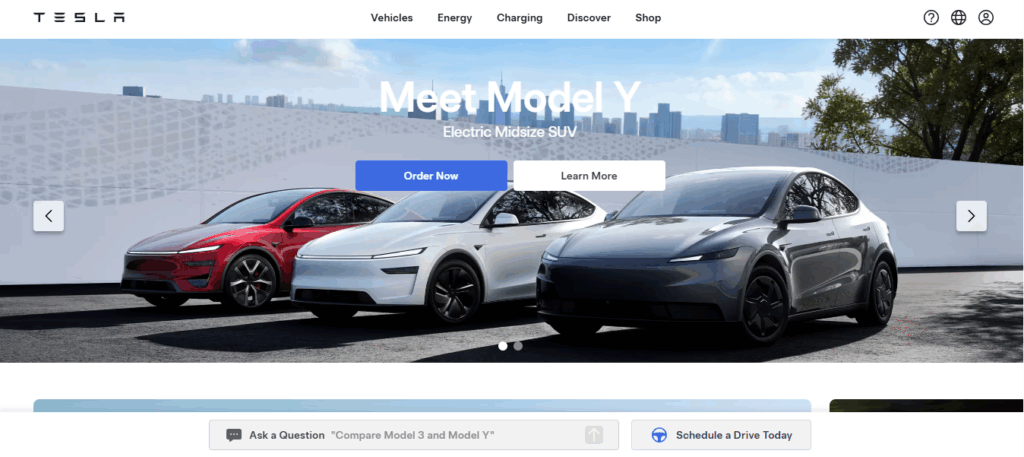
Tesla’s journey from a small startup to a global EV powerhouse is nothing short of remarkable. Founded in 2003, the company’s mission has always been to accelerate the world’s transition to sustainable energy. Today, Tesla offers a versatile lineup of vehicles: the Model S, a premium luxury sedan known for its speed and range; the Model 3, the brand’s most affordable and best-selling car; the Model X, a family-friendly SUV with futuristic falcon-wing doors; the Model Y, a compact SUV balancing performance and practicality; and the upcoming Cybertruck and Roadster, which showcase Tesla’s ambition to redefine vehicle design and performance. With Gigafactories across the U.S., Europe, and Asia, Tesla continues to expand its global reach and production capacity.
Pros of Owning a Tesla
1. Cutting-Edge Technology
Tesla cars are renowned for their innovation. The Autopilot and Full Self-Driving (FSD) systems use advanced AI and sensors to assist drivers with lane keeping, adaptive cruise control, and traffic navigation. The vehicles receive over-the-air software updates, constantly improving performance and adding new features. From the massive touchscreen display to voice commands and app-based controls, Tesla’s tech-driven experience feels more like using a high-end gadget than a traditional car.
2. Environmental Benefits
Tesla vehicles produce zero tailpipe emissions, helping reduce air pollution and dependence on fossil fuels. When paired with Tesla’s Solar Roof or Powerwall, owners can power their cars with renewable energy, creating a closed-loop sustainable ecosystem. For environmentally conscious drivers, Tesla represents one of the most effective ways to drive clean and reduce your carbon footprint.
3. Performance and Driving Experience
Tesla cars are famous for their instant torque and exhilarating acceleration. The Model S Plaid, for example, can go from 0–60 mph in less than 2 seconds—making it one of the fastest production cars in the world. Despite their performance, Teslas offer a quiet, smooth, and refined driving experience. The electric drivetrain provides seamless power delivery, while the low center of gravity ensures excellent handling and stability.
4. Expanding Charging Infrastructure
Tesla’s Supercharger network remains one of its biggest advantages. With thousands of stations worldwide and the introduction of V4 Superchargers in 2025, charging has become faster and more convenient. Tesla also allows access to third-party charging networks, giving owners more flexibility when planning long trips. The integration with navigation systems ensures that drivers can easily find the nearest available charger.
5. Lower Maintenance and Ownership Costs
Owning a Tesla can be more cost-effective in the long run. Electric vehicles have fewer moving parts, meaning less wear and tear and no oil changes. Combined with fuel savings and potential EV tax incentives, the overall ownership cost is significantly reduced. Additionally, Tesla vehicles hold strong resale value, thanks to constant software improvements and high market demand.
Cons of Owning a Tesla
1. High Purchase Price
While Tesla has made efforts to offer more affordable options, the cars remain relatively expensive compared to gas-powered vehicles and even some EV competitors. Adding premium upgrades or the Full Self-Driving package can increase the cost by thousands of dollars. The long-term savings on fuel and maintenance help offset the price—but the upfront investment is still a barrier for many buyers.
2. Build Quality and Reliability Issues
Despite their advanced technology, Teslas have faced criticism for inconsistent build quality. Some owners report issues with paint finishes, panel gaps, or minor component malfunctions. Tesla continues to improve its quality control, but the rapid pace of production and global expansion has occasionally led to uneven manufacturing results.
3. Charging Challenges
Although Tesla’s Supercharger network is impressive, charging availability still depends on location. Drivers in rural or underdeveloped areas may have limited access, making long-distance travel more complicated. Charging time, while improving, is still longer than filling up a gas tank—a potential inconvenience for drivers who travel frequently.
4. Service and Repair Delays
Tesla’s service network remains smaller compared to traditional automakers. Some owners report long wait times for appointments or replacement parts. Independent mechanics often lack access to proprietary Tesla systems, which limits repair options. While mobile service teams have improved convenience, the lack of widespread service centers can still be frustrating.
5. Autopilot Limitations and Misconceptions
Tesla’s Autopilot is advanced but not fully autonomous. It requires constant driver attention and hands on the wheel. Misuse or overreliance on the system has led to accidents and increased regulatory scrutiny. In some regions, restrictions prevent full use of the FSD features, meaning drivers may not experience the system’s full potential yet.
6. Software Dependence and Privacy Concerns
Tesla vehicles depend heavily on software, cloud connectivity, and GPS data. While updates bring improvements, they also mean the car’s functionality is tied to Tesla’s ecosystem. Some users have raised data privacy concerns, as Tesla collects extensive information about driving patterns and vehicle performance.
Tesla vs. Competitors
Tesla no longer stands alone in the EV market. Companies like Lucid Motors, Rivian, BYD, Hyundai, and BMW have launched electric vehicles that rival Tesla in technology, performance, and luxury. Tesla still leads in software innovation and charging infrastructure, but competitors are catching up quickly—especially in interior quality, design, and pricing.
The Future of Tesla
Tesla’s future looks bright, with new projects like the Cybertruck, next-generation Roadster, and advanced AI-driven autonomy on the horizon. The new 4680 battery technology promises faster charging and longer range, while the company’s energy products aim to make Tesla a holistic clean-energy brand. However, as governments introduce stricter EV regulations and new competitors emerge, Tesla’s dominance will face its biggest test yet.
Who Should (and Shouldn’t) Buy a Tesla
A Tesla is ideal for tech-savvy drivers who appreciate innovation, sustainability, and performance. It’s a perfect match for those who live in urban or suburban areas with easy access to charging. On the other hand, buyers in remote regions or those with limited budgets may find better value in other EVs or hybrids. Tesla’s ecosystem works best for people ready to embrace new technology and the occasional quirks that come with it.
Comparison Table: Tesla Pros and Cons
| Pros | Cons |
|---|---|
| Cutting-edge Autopilot and software updates | High upfront purchase cost |
| Zero emissions and eco-friendly operation | Inconsistent build quality |
| Fast acceleration and smooth performance | Limited service availability in some areas |
| Expanding Supercharger network | Charging still takes longer than refueling |
| Lower maintenance and fuel costs | Autopilot not fully autonomous yet |
| Strong resale value | Software dependence and data privacy concerns |
| Sleek, futuristic interior and design | Premium upgrades increase cost significantly |
Conclusion
Tesla remains a pioneer in electric mobility, blending performance, sustainability, and cutting-edge technology. The vehicles are fast, efficient, and constantly evolving through software updates. Yet, they aren’t without flaws—premium prices, limited service access, and build inconsistencies continue to challenge the brand’s perfection. In 2025, Tesla stands as both a symbol of progress and an example of growing pains in the EV industry. For those who prioritize innovation and sustainability, owning a Tesla is more than just driving a car—it’s participating in the future of transportation.