Modern offices can lower their environmental impact through practical upgrades that also improve comfort and control operating costs. The strongest projects focus on everyday systems such as lighting, washrooms, heating, and waste collection. These areas may seem routine, but they operate across every working day and often serve hundreds of people. A well-planned improvement can therefore produce measurable results without requiring a full building renovation.
Shifting Priorities in Corporate Workspaces
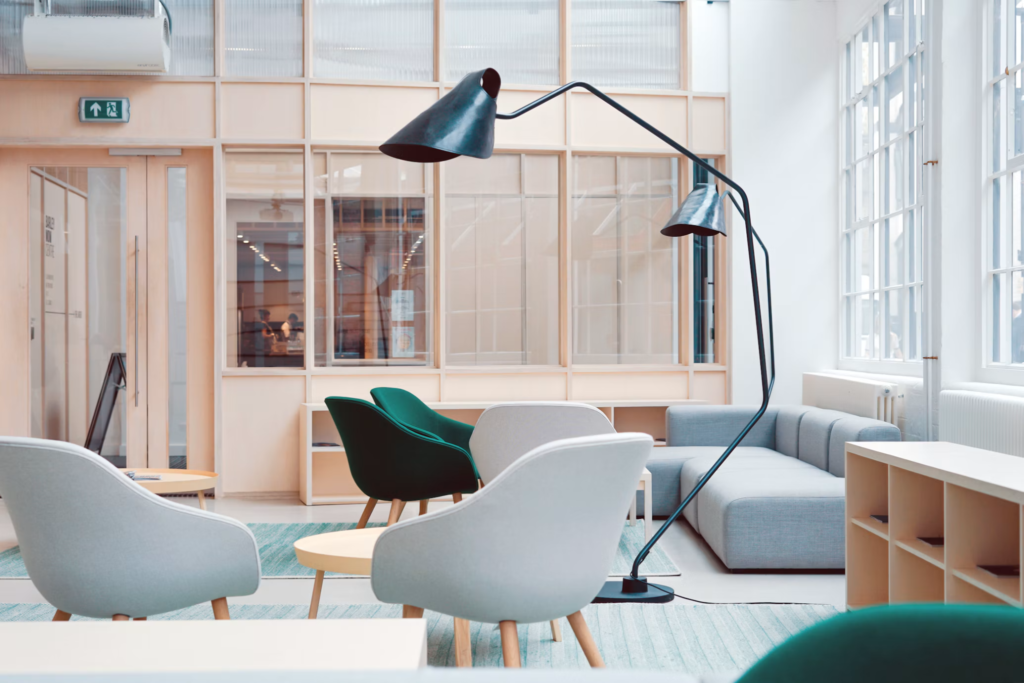
Office design priorities now extend beyond square footage and visual style. Employers are looking more closely at indoor air quality, resource consumption, and equipment that adapts to changing occupancy. Broader sustainable office design principles also encourage durable materials, efficient building systems and spaces that can serve several purposes.
Start with an audit of how people actually use the building. Badge data, room-booking records and utility bills can reveal underused floors or meeting rooms that remain heated and lit while empty. Facilities teams can then consolidate low-occupancy areas, adjust cleaning schedules and match services to real demand. Employee feedback adds useful context, especially when reviewing temperature settings, lighting quality and recycling points.
Cutting Single-Use Consumables at Scale
A busy office can move through large quantities of paper towels, disposable cups and individually packaged supplies. Track purchasing records for several months to identify the highest-volume items, then replace them in stages. Shared kitchenware, refillable soap dispensers and centralized supply stations are straightforward places to begin.
Washrooms deserve particular attention because small changes repeat across every visit. When equipment reaches the end of its service life, facilities managers can assess eco-friendly hand dryers and installation, maintenance and inspection requirements. Compare expected usage, drying time, power demand, and servicing terms before selecting a model. Keeping dispensers, dryers and waste bins in consistent locations also makes washrooms easier to maintain and helps staff spot faults or unnecessary consumption quickly.
Automated Fixtures and Energy Efficiency
Automation works best when it responds to genuine patterns of use. As explained in research on smart building technologies and their role in improving energy efficiency, connected systems can use real-time occupancy data to optimize building operations and reduce unnecessary energy consumption. Occupancy sensors can switch off lights in vacant meeting rooms, while programmable controls can reduce heating or cooling during quiet periods. Smart plugs can also disconnect selected screens and shared equipment overnight, provided shutdowns won’t interrupt updates or essential services.
Many future office trends connect workplace technology with flexible occupancy and better resource management. Still, automated equipment needs sensible settings. A sensor that turns lights off during a long presentation will frustrate users, and poorly placed temperature controls can create conflicting signals. Test each system in one zone for four to six weeks, record complaints and energy use, then refine the settings before expanding it across the building.
Measuring Long-Term Operating Savings
Set a baseline before approving an upgrade. Record electricity, water, consumable purchases, maintenance calls, and waste collection costs for at least 12 months when possible. Seasonal data matters because heating and cooling demand can vary sharply throughout the year.
Calculate total ownership costs over the expected life of each product, including purchase price, installation, servicing, replacement parts and disposal. For example, a lighting project that saves $4,000 per year but requires $2,000 in annual maintenance delivers a different return from one with the same energy savings and minimal upkeep. Review actual performance at 30 days, six months, and one year.
Those checkpoints turn sustainability claims into useful operational evidence. They also show when a promising system needs new settings, staff guidance, or a different maintenance schedule. The most valuable office upgrade is one that keeps delivering after its novelty has worn off.