Cryptocurrencies have brought useful new options for making payments, moving value and building an investment portfolio. If you plan to buy Solana alongside other digital coins, diversification belongs in the strategy from the beginning, because crypto’s price swings make the choice of how you spread your money important.
Diversification reduces dependence on a single holding by spreading money across different investments, rather than leaving the whole result tied to one coin. The familiar eggs-and-baskets idea applies here too, although several cryptocurrencies can still fall together, so spreading among them does not remove the wider risks of the market.
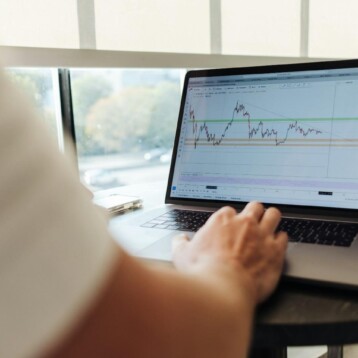
Another part of building a trading strategy is having tools to understand the mood of the market. The fear and greed index puts that mood on a scale from 0 to 100, showing whether participants are fearful or greedy and giving you information to use alongside your diversification decisions.
Here are the main ways to approach the mix of assets in your portfolio.
Understanding the Different Groups of Cryptoassets
Stablecoins and Lower Price Volatility
Currency-linked stablecoins give you a way to reduce exposure to crypto price swings, because they aim to track a reference such as the dollar or euro. Holding one means keeping funds in a token designed to follow that currency, instead of leaving their value entirely dependent on the changing market price of a freely priced coin.
USD Coin (USDC) and Tether (USDT) show why these assets are useful for a trader, whether the funds are being kept for payments, saved or held while prices elsewhere are falling. The value of that role depends on the peg continuing to work, so the quality of reserves and the arrangements for redemption are part of judging the coin, along with the possibility that it could lose its currency link.
Bitcoin and Established Altcoins
Bitcoin and established altcoins expose a portfolio to greater price movements than currency-linked stablecoins, along with the possibility of higher returns. These are useful groups to examine when planning diversification, although the broad altcoin label does not give every project the same level of risk.
Bitcoin’s Established Position
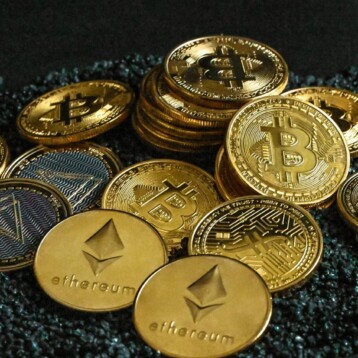
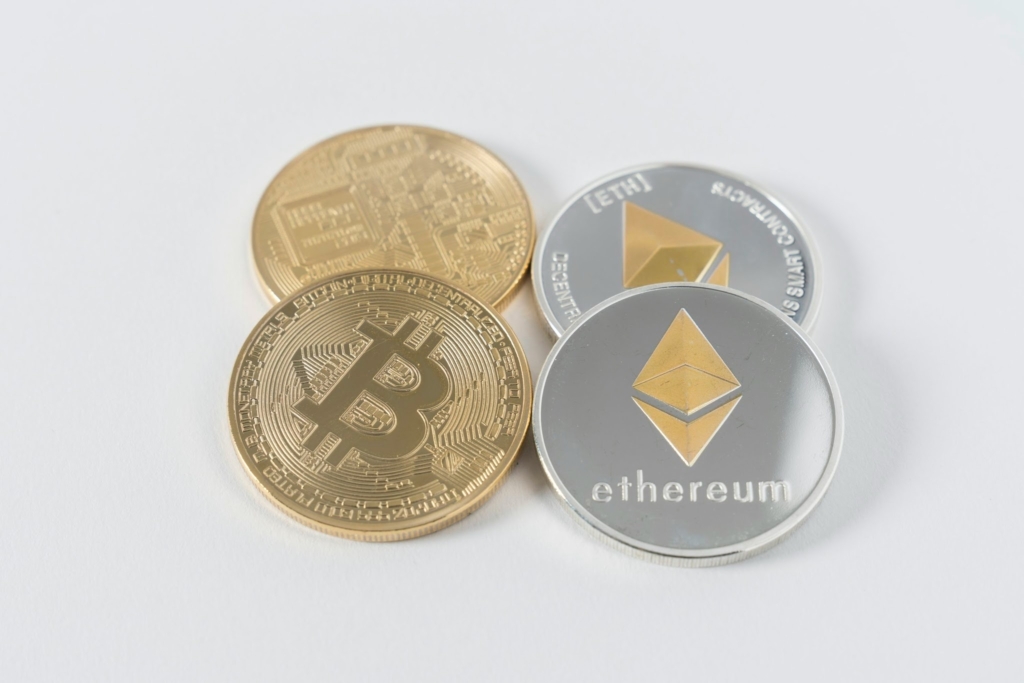
Bitcoin (BTC) remains the biggest cryptocurrency by market capitalization, with a history as the first decentralized coin that has already taken it through repeated market rises and falls. That record is one reason investors continue to pay attention to it, while the supply ceiling of 21 million coins gives them another. A limit on how much can ever be created makes people draw comparisons with gold when thinking about preserving value during inflation, although Bitcoin’s market price can still move considerably.
What Other Coins Can Add
Looking beyond Bitcoin brings you to altcoins, the term for the other cryptocurrencies, including Ethereum (ETH), Cardano (ADA), Polkadot (DOT) and Solana (SOL). The established projects listed here have developed different ways of using blockchain, with capabilities that go beyond Bitcoin’s original functions. Looking at what each project is meant to do helps you judge the kind of exposure it would add to your portfolio.
With Ethereum, smart contracts became a widely used part of what a blockchain could offer. Their rules run automatically, so a task that would otherwise involve an intermediary can be handled by the program, opening up uses beyond moving cryptocurrency from one person to another.
Newly launched altcoins need careful consideration, because a short record gives you less evidence about the project and its risks when deciding whether to include it.
More Speculative Cryptoassets
Meme coins often build their appeal around a community and a humorous idea, giving people something to support and share even when the project has little distinctive technical development. That social appeal has helped these coins attract considerable interest, with the following around them carrying much of their popularity.
The possibility of rapid gains is part of the attraction for traders, but the same environment can produce sharp reversals. Sentiment, social-media posts and changing crypto trends can move these prices substantially, making a meme coin’s place in a portfolio very different from that of a currency-linked stablecoin.
Spreading Holdings Across Uses and Sectors
Once you have considered risk, you can also look at what different coins are used for and the sectors they belong to. A portfolio could, for example, allocate one part to decentralized finance (DeFi), another to coins for everyday payments, and another to smart-contract platforms, alongside holdings connected with gaming and digital art. This spreads your investments across different activities, giving you a way to diversify by use as well as by the risks described above.
Adjusting the Mix When Circumstances Change
As conditions change, keep checking whether your holdings are doing the job you chose them for, because the mix that suited your plans at the start may need adjusting. If an investment is no longer developing as you expected, rebalancing lets you change the amounts held while keeping the decision tied to your financial goals and the market around you.
Choosing a Portfolio That Fits Your Needs
When you spread funds across several crypto holdings, you give a stronger performer the chance to offset a weaker one, instead of making the portfolio depend entirely on a single coin. Diversification cannot guarantee a profit, so start by deciding what you need from the investments and whether you are planning for the short or the long term. Those choices help you work out which assets fit the portfolio you want to build.
With those choices tied to your own needs and preferences, you have a clearer basis for the portfolio and more confidence in the strategy behind it.