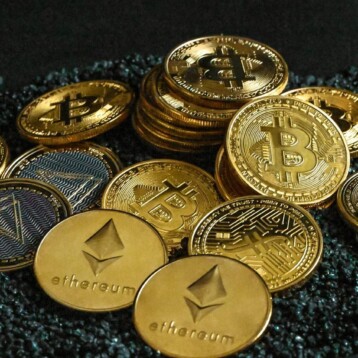
When cryptocurrencies were first launched in the financial ecosystem, they operated in a space that was entirely different from that of traditional finance simply because they’re part of an environment that is fully decentralized and is, therefore, fundamentally different as well. Those who are interested in cryptography and the latest tech developments joined the market, investing in top cryptocurrency tokens and growing their portfolios over the years. More and more people buy Bitcoin nowadays, convincing others that giving the market a try is worth it. But many investors remained reluctant about the possibility of giving crypto a try, considering the price volatility to be the main reason why they had to stay away from the ecosystem.
Over the last few years though there has been a growing tendency towards the integration of cryptocurrencies in the TradFi world, driven by the increasing number of individual investors who are willing to give the assets a try. Institutional investors are bringing capital to the crypto ecosystem as well, while the regulators are coming up with new frameworks that are specifically designed for the digital token environment. If you’re an investor, you’ve most likely begun to notice the increasing overlap between standard finance and decentralized solutions as well.

Tokenization
The concept of tokenization refers to the ownership of physical assets like art, precious metals, or real estate as digital tokens on a blockchain. This process, which has become increasingly popular and is expected to become even more so in the upcoming years, has bridged the gap between TradFi and DeFi and brought liquidity, fractional ownership, and 24/7 trading to all kinds of assets. Accessibility is very important nowadays, as the markets become more competitive and fast-paced, as it gives all kinds of investors the chance to invest in holdings that may have remained far removed from them otherwise.
Smart contracts also reduce the need for any intermediaries, decreasing costs and accelerating transaction elements. The blockchain is known for being immutable and fully transparent as well, creating a trustworthy record of all the transactions that occurred and the asset ownership. However, despite its growth and huge potential, there are still several challenges that the crypto-RWA space needs to face and overcome. Keeping up with the regulations is one of them, as real-world assets are subject to different laws, both local and international.
The companies and platforms facilitating the transactions need to guarantee requirements such as Know Your Customer and Anti Money Laundering to be able to continue their operations. Market volatility is yet another issue, especially in the case of the assets that are tied to cryptocurrencies, whose prices record significant fluctuations.
The future of the market
Although tokenization and the overlap between the two environments have so far been successful, some think that developments are needed to ensure that the marketplace remains profitable. Centralization is viewed as the main issue by those who favor the crypto and blockchain world, as they are regarded as potential points of failure. They could lead to a small number of people gaining the ability to censor trades or dictate the order of transactions.
Private chains come with similar issues, as they place full control in the hands of the operators and chip away at interoperability. The crypto world is seen as a place where intermediaries are no longer needed, but the fact that it works side by side with centralized markets has changed things now, leading to the possibility of these entities moving on-chain instead. The blockchains must remain trustless if they are to ensure the integrity of global ledgers. Instead of trust, they rely on economic consensus and cryptography, eliminating the need for an operator and addressing potential security concerns at the same time.
The tokenized real-world asset market can reach trillions in value, and the infrastructure needs to figure out if it will replicate the systems already implemented in traditional finance or if it will move further and choose freer trading.
The growth of a trend
Tokenization is the crypto world’s fastest-growing trend as it provides the best of both worlds. Investors are much more likely to be familiar with traditional assets, but also enjoy the ease of use that the blockchain has to offer. Stablecoins are the largest RWA category, having a market cap rate of around $240 billion. They are often backed by either cash or treasuries, and have a monthly transaction volume of well over $500 billion. The stablecoins enable borderless and pretty much instant payments, the very core of the cryptocurrency economy.
Tokenized private credit is also very popular, leading by loan volume with a growth rate of more than 60% year-on-year. The investors lend the capital to real-world borrowers that are secured by collateral in the form of real-world assets. Tokenized US treasuries are surging at the same time, particularly because they carry lower risks than their peers and provide very high liquidity levels as well. Stocks can be tokenized as well, and they have a current market cap of roughly $500 million. They allow for faster settlements.
In the case of commodities, every token offers fractional ownership of said physical commodity, so that you can invest in assets such as silver or gold without the need to worry about storage concerns. Real estate tokenization, the area that most are interested in because it sounds like the most far-fetched one, is ensured by specialized platforms offering access to capital appreciation or rental income.
What can you expect
Being a crypto investor isn’t simple, as you need to learn how to carry out complex analysis and figure out where the marketplace is going next. Having a good idea of which projects are set to become even more successful in the future is very important, too, so that you invest in them and record gains as well. The RWA marketplace is still fairly new, but its appeal is clear. Now that cryptocurrencies are more mainstream than ever it will continue to grow.
The opportunities are significant, so if you’ve been thinking about delving into this environment, now is the time to do it. Just remember to have a strategy in mind and don’t go in unprepared. That’s the golden rule when it comes to all sorts of trading.