Opioid addiction treatment works best when you know what to expect. It is a medical process with clear steps rather than a test of willpower. This guide walks through those steps so you or a loved one can take the first one with less fear.
What opioid addiction actually is
Opioid use disorder is the clinical term for what most people call opioid addiction. It is a chronic brain condition that changes how reward and self-control work. It is not a moral failing. We do not treat diabetes or asthma as character flaws, and opioid addiction should be no different.
The standard manual used for diagnosis lists patterns such as taking larger amounts than planned and spending a lot of time trying to obtain opioids or recover from their use. Other signs include cravings, withdrawal after stopping and trouble at work or home related to use. Severity runs from mild to severe, based on how many of these patterns are present.
Language matters here. A person with addiction is a person first, not an addict. That shift may sound small, but it can help people ask for support sooner and remind staff and families to lead with respect.
Shame keeps people out of care.
Dependence can develop quickly, even when pills were initially prescribed for pain. The body adapts and needs more to feel level. When the supply stops, withdrawal begins. That cycle is one reason willpower alone rarely breaks the pattern, while medical support can make a meaningful difference.
Why quitting alone is so risky
Withdrawal can feel awful, so many people try to endure it at home for a day or two. That approach rarely holds. Symptoms return in waves, and judgment can slip when someone is exhausted and in pain. There is another risk that often surprises first-timers. After even a short break, tolerance drops, so the same dose that once felt normal can shut down breathing.
The street supply has changed. It now often contains synthetic opioids that act quickly and vary widely in strength from one batch to the next. You cannot tell by appearance or taste what you are getting. That unpredictability is a major reason overdose deaths remain so high. More than 107,000 people died from drug overdoses in 2022 (CDC).
Keep naloxone, sold as Narcan, on hand if someone you love uses opioids. It reverses an overdose for long enough to get help. You do not need medical training to use the nasal spray form. Ask a pharmacist or local harm-reduction program how to obtain it.
Learn the signs of an overdose. Breathing slows or stops, and the person’s lips may turn blue or gray. They will not wake when you shout or rub their chest. Call emergency services immediately and give naloxone if you have it. Stay until help arrives, even if their breathing improves.
How medication for opioid use works
Medication is the standard of care for opioid use disorder when paired with counseling and peer support. It reduces cravings and lowers the risk of returning to opioid use or experiencing a fatal overdose.
Medication is treatment, not a substitute addiction. These medicines steady brain chemistry so a person can work, parent and manage daily life without constant withdrawal and cravings. Recovery still takes effort, and medication makes that effort more manageable.
Buprenorphine, sold as Suboxone, is a partial activator that eases withdrawal and cravings. It does not produce the same high. It is prescribed by trained providers and may be taken at home after an initial supervised dose. Methadone is a full activator taken daily under supervision at a licensed program.
Naltrexone, sold as Vivitrol, works differently. It blocks the effects of opioids, so using them brings no reward. A person must be fully clear of opioids before receiving the first dose, which is why the timing is planned carefully with medical staff.
Some people worry that taking medication means they are not truly in recovery. This concern is common, but steady dosing allows the brain to heal while a person rebuilds daily life. Follow-up visits may happen in person or through telehealth with a trained prescriber, which can help people who live far from a program or must balance treatment with jobs and child care.
Which level of care fits your life
Not everyone needs the same treatment setting. Many programs use ASAM criteria to guide this decision. Placement is based on health history, patterns of opioid use, home stability and daily responsibilities. A good program will explain why it recommends a particular level of care. You can step up or down as your needs change.
Residential rehabilitation means living at the program for a period of weeks. Days follow a structure that includes therapy, medical checks and time for rest. When touring options, confirm that the program covers the full path from medically supervised detox through aftercare. Established providers like Legacy Healing offer an integrated approach to detox and rehabilitation, with follow-up care included from the beginning.
Partial hospitalization provides daily treatment while allowing you to sleep at home. It suits people who are stable enough to leave at night but still need close monitoring. Intensive outpatient treatment meets several times each week for therapy and skills work. Standard outpatient treatment is less frequent and can fit around work or school.
You do not have to choose the right level alone. An assessment will indicate what fits your current situation. People with unstable housing or heavy opioid use often begin with a higher level of care. Those with strong support at home and lighter use may be able to start with less intensive treatment.
Consider daily life as you weigh the options. If home feels chaotic or opioid use is heavy, nights at home may undermine the progress made during the day. If home is calm and you need to keep working, evening sessions may be practical. Be honest about transport and child care. The right program is one you can consistently attend.
What detox really involves
Early withdrawal often resembles the flu, with aching muscles and stomach problems. Sleep becomes disrupted, while anxiety and strong cravings can intensify.
For short-acting opioids, symptoms often begin within hours of the last dose. They tend to peak around day two or three, and most acute symptoms ease within three to seven days. Problems with sleep and mood can continue for much longer.
That longer period is called post-acute withdrawal. Energy may dip, focus can slip and moods may change without a clear cause. This does not mean treatment has failed. It means the brain needs more time to reset.
Medical staff track heart rate, hydration, blood pressure and temperature. Comfort medicines can ease nausea and body pain, while sleep support may also help. Patients are not simply left to suffer through the process alone.
Day-to-day comfort care involves nurses checking symptoms on a set schedule and adjusting the plan as the body responds. Staff encourage fluids and rest, then provide light food once the stomach settles. These practical steps can make withdrawal far more bearable than it would be without support.
If anxiety or low mood intensifies during detox, tell staff immediately. These feelings are common and can respond to care. You may meet with a counselor during the first few days. Early support can steady both mind and body.
What happens on day one
Treatment usually begins with a conversation rather than a test. Staff ask about your opioid use, health background and any previous attempts at treatment. Bring a list of the medicines you take if possible.
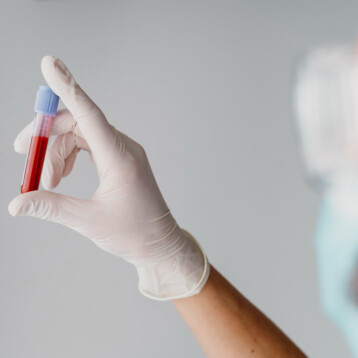
You will provide a urine sample for laboratory screening. Staff also check vital signs and assess mental health symptoms. If medication is included in your plan, the first dose will be timed carefully. You will be monitored closely so the dose can be adjusted when needed.
By the end of the first day, you should have a written plan. It sets out your schedule and the types of therapy involved, along with support contacts and dates for the next check-ins.
Pack light for the first day. Bring identification and a list of health conditions and current prescriptions. If a loved one drives you, staff may invite them to join part of the intake process with your permission. That conversation establishes clear rules for phone calls and visits.
How to choose a program
Start with the basics. Confirm that the program has current licensure and independent accreditation. Ask whether it provides medication for opioid use rather than detox alone. Check the cost, insurance coverage and wait times in direct terms.
Ask about mental health screening and dual diagnosis care from day one. Low mood and persistent worry often occur alongside opioid use, as can past trauma. A solid program addresses these concerns at the same time through therapy and medical care.
Counseling provides tools that medication alone cannot. Cognitive behavioral therapy helps people identify triggers and develop new responses. Motivational interviewing can help someone work through mixed feelings about change, while contingency management uses small rewards to reinforce progress. You do not need to choose an approach before entering care.
Aftercare planning should begin at admission rather than discharge. The plan may connect you with ongoing counseling and peer groups, while also addressing housing or employment needs. Follow-up calls help maintain that connection to support after you leave.
You do not need to wait for a disaster before getting help. You don’t need to hit rock bottom to deserve care. Early support can lead to a smoother detox and more options that fit daily life. Recognizing the signs is enough reason to call.
Use the first phone call to gather practical information. Ask how soon treatment can start, what happens while you wait, who will manage medication and how often you will meet a counselor. If you need somewhere to begin, call a national helpline for referrals. Clear, direct answers are a good sign.
Staying steady after the first month
Treatment does not end when detox is over. During the first month afterwards, new habits are still fragile. A relapse prevention plan identifies high-risk places and people to avoid, suggests coping strategies to use instead and lists who to call at any time of day or night.
Many people rely on peer groups for regular contact. Twelve-step meetings work well for some, while SMART Recovery suits those who prefer a skills-based approach. Recovery coaches and counselors can fill gaps with individual support. Try more than one option before deciding what works for you.
Programs with broad experience in substance abuse often treat alcohol and drug problems side by side. This matters because many people use more than one substance, and skills learned for one trigger can often help with another. Ask whether the program screens for all substance use rather than opioids alone.
You do not need to have everything figured out before starting. Take the next clear step and let the treatment team guide the rest. Help may be closer than it feels.