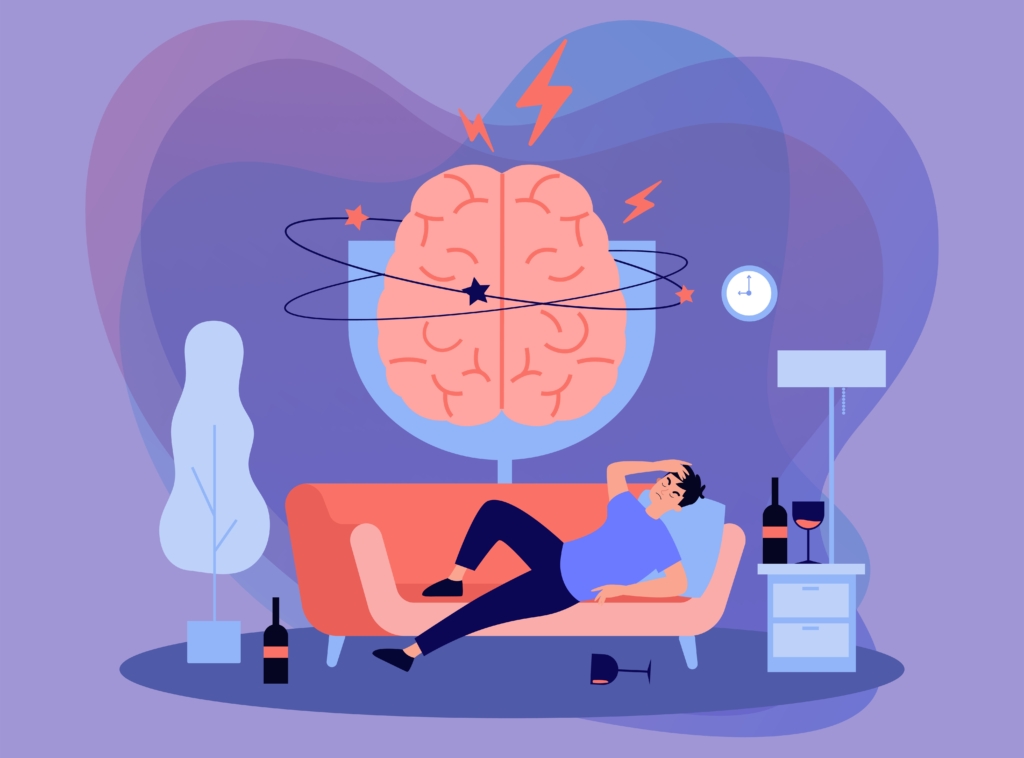
Addiction is often described as a lack of willpower, but this oversimplifies a complex condition that can affect the brain and influence how a person thinks, feels and behaves. Repeated use of alcohol or drugs can alter brain processes involved in reward, motivation, decision-making and emotional regulation.
Understanding what happens in the brain can help challenge some of the stigma surrounding addiction. It can also provide an important message of hope: although addiction can change the brain, recovery is possible, and with the right support, people can develop healthier patterns and rebuild their lives.
How Addiction Changes the Brain
Alcohol and drugs can interact with the brain’s reward system, producing feelings of pleasure or relief. The brain naturally reinforces behaviours that are associated with rewarding experiences, encouraging us to repeat them.
Repeated substance use can interfere with this process. Over time, the brain may adapt to the presence of a substance, meaning someone may need to consume more to experience the effects they previously achieved. This process is known as tolerance.
As addiction develops, using a substance can become less about seeking pleasure and more about avoiding uncomfortable feelings or drug and alcohol withdrawal symptoms.
The Role of Cravings
Cravings can be a powerful part of addiction. Certain people, places, emotions or situations can become associated with substance use, creating strong urges to drink or take drugs.
For example, someone who regularly drinks after work may begin to associate finishing their working day with alcohol. Eventually, simply arriving home may trigger a desire to drink.
These learned associations can make recovery challenging. However, they can also change over time as someone develops new routines and experiences without relying on substances.
Decision-Making and Self-Control
Addiction can also affect areas of the brain involved in judgement and decision-making. This can make it harder for someone to consider long-term consequences when faced with an immediate craving.
This does not mean that someone with addiction has no control over their behaviour. Rather, changes in brain function can make resisting substances more difficult, particularly when combined with stress, emotional difficulties or environmental triggers.
Recognising this complexity is important because it shifts the conversation away from blame and towards appropriate treatment and support.
Why Recovery Is Possible
The brain has an ability to adapt and change throughout life. This capacity, often referred to as neuroplasticity, means that recovery can involve more than simply stopping substance use.
As someone spends more time away from alcohol or drugs, they can begin developing new habits, routines and responses to difficult situations. Healthy activities, supportive relationships and psychological therapies can all contribute to this process.
Recovery is not necessarily about returning the brain to exactly how it was before addiction. Instead, it can involve creating new patterns that support a healthier and more stable life.
Treatment Can Support Brain and Behavioural Changes
Professional addiction treatment can provide the structure and tools needed to support recovery.
Depending on the substance involved and the individual’s circumstances, treatment may include medically supervised withdrawal, counselling, cognitive behavioural therapy, peer support or other evidence-based approaches.
Therapy can help people recognise triggers, challenge unhelpful thought patterns and develop alternative strategies for managing stress and difficult emotions.
For someone who has developed physical dependence, medical guidance is particularly important. Suddenly stopping certain substances can result in serious withdrawal symptoms, making professional advice essential.
Recovery Is a Journey
Brain changes associated with addiction do not disappear overnight. Recovery can take time, and people may experience cravings or difficult emotions along the way.
A setback does not necessarily mean that treatment has failed. It can provide an opportunity to identify what went wrong and adjust the recovery plan.
Having a strong support network can also make a significant difference. Friends, family members, healthcare professionals and recovery communities can all provide encouragement and accountability.
Breaking the Stigma Around Addiction
Understanding addiction as a condition that can affect brain function does not remove personal responsibility, but it does provide greater context. People experiencing addiction deserve compassion as well as appropriate support.
Most importantly, changes to the brain do not mean that someone is permanently trapped by addiction. With time, treatment and healthier routines, people can learn new ways of responding to cravings, manage triggers and rebuild their lives.
Recovery is possible, and seeking help can be the first step towards making meaningful and lasting change.