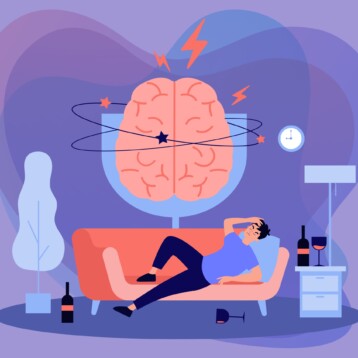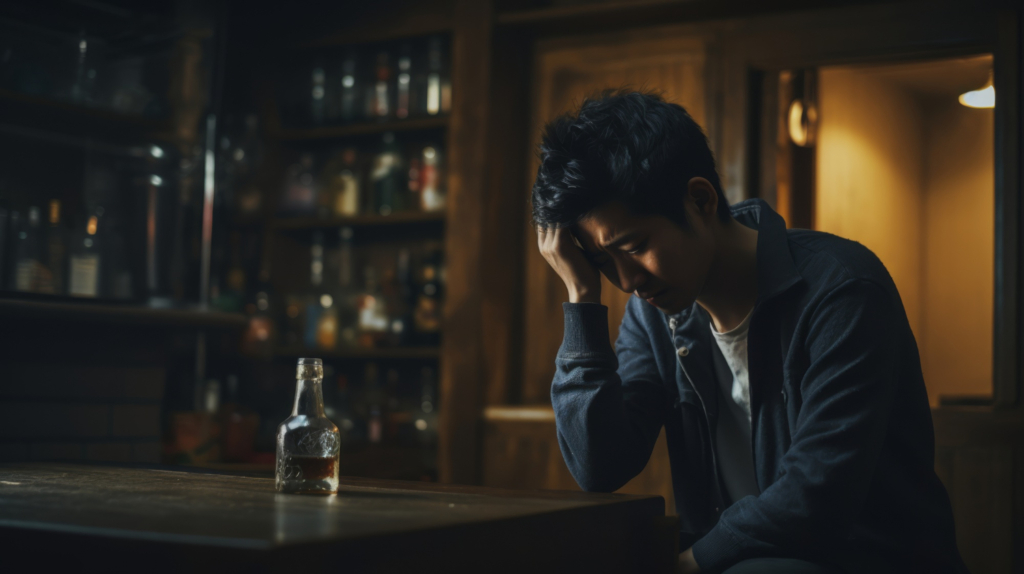
It is common to reach for a drink after a stressful day. Alcohol can create a temporary sense of relaxation, making it feel like an easy way to switch off from worries and social pressures. However, while alcohol may appear to reduce anxiety in the short term, the relationship between alcohol and anxiety is considerably more complicated.
Research has increasingly highlighted how alcohol can influence the brain, sleep and stress response, potentially creating a cycle in which drinking provides temporary relief but contributes to greater anxiety over time, alongside the further anxiety faced when needing alcohol help on top of it.
Why Does Alcohol Make You Feel Relaxed?
Alcohol affects several neurotransmitters in the brain, including gamma-aminobutyric acid (GABA), which has an inhibitory effect on the nervous system. By enhancing GABA activity, alcohol can initially produce feelings of relaxation and reduced inhibition.
This may explain why someone experiencing social anxiety or stress might feel more confident after a drink.
However, these effects are temporary. As the alcohol wears off, the brain has to adjust to its presence and can become more stimulated. This can contribute to feelings of restlessness, irritability and anxiety.
The ‘Hangxiety’ Effect
Many people are familiar with feeling anxious the morning after drinking. Sometimes referred to as ‘hangxiety’, this can involve racing thoughts, uneasiness, irritability or a feeling that something is wrong.
Several factors may contribute to this experience. As alcohol leaves the body, changes in brain chemistry can contribute to increased nervousness. Dehydration, disrupted sleep and fluctuations in blood sugar can also make someone feel physically and emotionally unsettled.
For someone who already experiences anxiety, these effects can be particularly difficult to manage.
Alcohol and the Stress Response
Alcohol can also interact with the body’s stress systems. While drinking may temporarily make stressful situations feel easier, regularly using alcohol as a coping mechanism can reinforce the idea that you need a drink to manage difficult emotions.
This can create a cycle: anxiety leads to drinking, drinking provides temporary relief, and anxiety returns once the effects wear off.
Over time, a person may begin drinking more frequently or in greater quantities in an attempt to achieve the same calming effect.
Sleep Can Make Anxiety Worse
Sleep is another important part of the relationship between alcohol and anxiety.
Although alcohol can initially make you feel sleepy, it can interfere with normal sleep patterns and reduce the quality of your rest. You may wake during the night or experience less restorative sleep.
Poor sleep can make it harder to regulate emotions and cope with everyday stress. If drinking regularly contributes to disrupted sleep, this can potentially create another cycle in which tiredness increases anxiety and anxiety makes it harder to switch off.
Does Stopping Drinking Reduce Anxiety?
For some people, reducing or stopping alcohol can improve their overall wellbeing, particularly if drinking has been contributing to poor sleep, low mood or repeated anxiety.
However, people who drink heavily or regularly should be cautious about stopping suddenly. Alcohol withdrawal can be dangerous for some individuals and may require medical supervision.
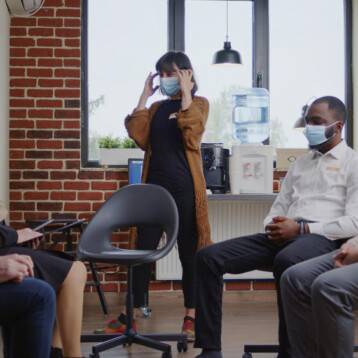
If you are concerned about your drinking, speaking to a GP or qualified addiction professional can help you understand your options safely.
Breaking the Cycle
The science suggests that alcohol is not a reliable long-term treatment for anxiety. Although it can produce short-term feelings of calm, repeated drinking may ultimately make anxiety more difficult to manage.
Finding alternative ways to cope with stress, such as exercise, mindfulness, social connection, talking therapies or simply establishing healthier routines, can provide more sustainable support.
Most importantly, experiencing anxiety alongside problematic drinking is not something you have to manage alone. Recognising the connection between the two can be an important first step towards breaking the cycle and improving both mental and physical wellbeing.