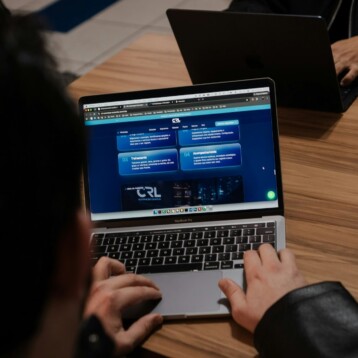
Picture this: a researcher in London, a data analyst in Singapore, and a project lead somewhere in between, all trying to make sense of the same focus group findings. No shared office. No quick chat by the coffee machine. Just screens, time zones, and a lot of trust.
Sounds tricky, right? And yet, plenty of research teams pull it off every single day.
Remote work has become the norm for a lot of market research firms, and honestly, it’s changed how good work gets done. But keeping a scattered team connected takes more than a decent Wi-Fi connection and a calendar full of video calls. It takes intention.
Collaboration That Actually Works When Nobody’s In The Room
Here’s the thing about research. It’s rarely a solo effort. Someone spots a pattern in the data, another person questions it, and a third pulls in context nobody else considered. That back-and-forth is where the good stuff happens.
The tricky part? Recreating that when your colleagues are dots on a map.
The teams that get this right tend to be deliberate about it. They set up shared workspaces where notes, transcripts, and half-formed ideas all live in one place. They don’t wait for the weekly meeting to share a thought. And they make space for the messy, thinking-out-loud moments too, because that’s often where insight sneaks in.
Ever noticed how the best ideas rarely arrive fully formed? That’s why the smart move is building systems that let people jump in whenever inspiration hits, no matter what hour it is where they are.
Groups like Kadence International’s research team have shown how strong collaboration doesn’t need everyone breathing the same air. It just needs the right habits and a bit of care.
Culture Doesn’t Disappear Just Because The Office Did
Culture is one of those things people worry about losing when they go remote. And fair enough. It’s hard to feel part of something when you’ve never actually met half your teammates in person.
But culture isn’t really about the building, is it?
It’s about how people treat each other. Whether someone feels safe asking a “silly” question. Whether a win gets celebrated or just quietly logged and forgotten.
The other day someone pointed out that the strongest remote teams often over-communicate the small human stuff. A quick message to say good job. A five-minute catch-up that has nothing to do with work. These tiny moments add up, and they’re what stop a team from feeling like a collection of strangers sharing spreadsheets.
Research work can be intense. Deadlines pile up, findings get questioned, and clients want answers yesterday. A team that genuinely likes each other handles that pressure a whole lot better.
Communication: Say More, Assume Less
Look, remote communication is where things go sideways fastest. You can’t read a room over Slack. Tone gets lost. A short reply might mean someone’s busy, or it might mean they’re annoyed, and you’d never know.
So the fix is simple, even if it takes discipline. Be clear. Be a bit more generous with detail than feels necessary. And check in more than you think you need to.
Video calls help, sure, but they’re not the whole answer. Sometimes a well-written message beats a rushed meeting nobody wanted at 7am their time. The trick is knowing when to hop on a call and when to just type it out.
The truth is, good communication in a remote research team isn’t about fancy tools. It’s about people making the effort to be understood.
And when a team gets collaboration, culture, and communication working together? Distance stops being a problem. It just becomes the way they work.