Indoor air quality is an often-overlooked aspect of daily well-being, yet we spend up to 90% of our time indoors, breathing air that can be two to five times more polluted than outdoor air, according to the EPA. Common concerns include airborne allergens (pollen, dust mites), pet dander, cooking smoke, urban particulates, and volatile organic compounds (VOCs) from cleaning products or new furniture. For those with allergies, asthma, or heightened sensitivity to odours and pollutants, these invisible irritants can significantly impact comfort, sleep, and long-term health.
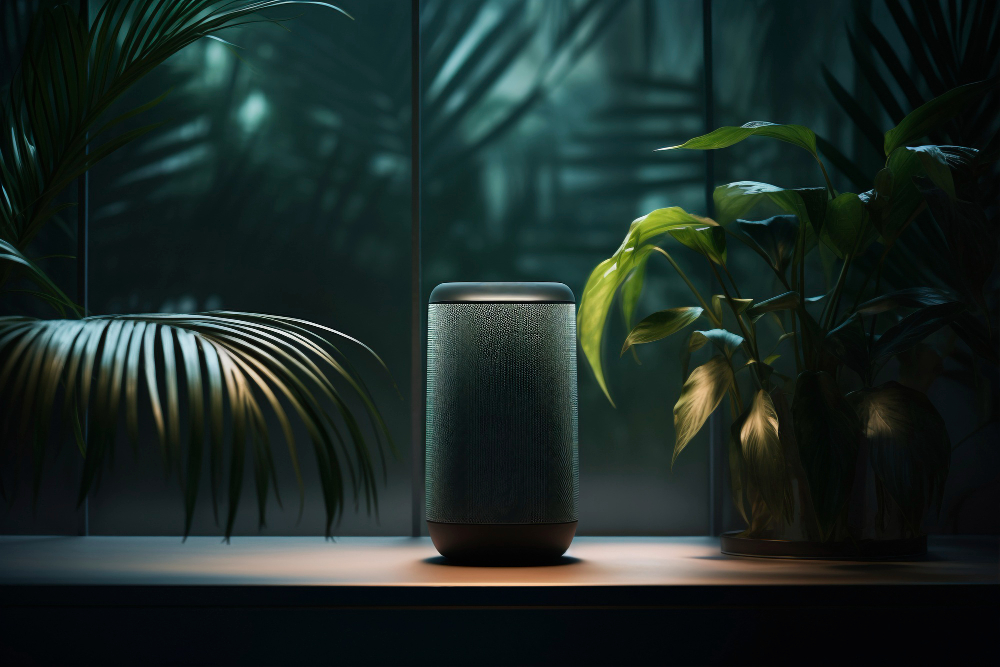
A smart way to address indoor air concerns is by using an air purifier, a device designed to filter and clean the air you breathe, capturing harmful particles and circulating cleaner air back into your living space. Far from a luxury, modern air purifiers have become essential tools for creating healthier, more comfortable home environments.
How Air Purifiers Work
At their core, air purifiers combine a fan system with one or more filtration stages to draw in room air, trap contaminants, and release purified air. Most high-performance models rely on:
- Mechanical filtration (HEPA): True HEPA filters capture 99.97% of particles as small as 0.3 microns, including dust, pollen, mould spores, and pet dander.
- Gas-phase filtration (activated carbon): Porous carbon layers absorb odours, smoke, and VOCs (e.g., formaldehyde from new cabinets or benzene from traffic fumes).
- Air circulation: Continuous airflow prevents stagnation and ensures even purification throughout the space, even when windows are closed.
Some advanced units also integrate additional technologies, such as sealed filtration systems (to prevent leakage) or intelligent sensors that adjust fan speed based on real-time air quality.
Key Benefits of Using an Air Purifier
Health Benefits
For allergy and asthma sufferers, reducing airborne triggers is critical. Studies show that consistent use of HEPA air purifiers can lower indoor allergen concentrations and improve respiratory symptoms. While not medical devices, many purifiers are proven to filter airborne bacteria, viruses, and mould spores*—adding a layer of protection during flu season or in shared households.
Odour and Smoke Removal
Cooking smells, tobacco residue, pet odours, and even wildfire smoke can linger for hours or days in untreated air. Purifiers with robust activated carbon filters neutralize these gases at the molecular level, not just mask them. In urban or wildfire-affected areas, this filtration can dramatically improve indoor air freshness and safety.
General Air Quality Improvement
Less airborne dust means fewer surfaces to clean, and less irritation for sensitive eyes and throats. Many users report better sleep, especially in bedrooms where air quality is tightly controlled. Over time, cleaner air contributes to a calmer, more refreshing indoor environment, subtly but meaningfully enhancing daily life.
Also Read: 9 Amazing Pieces Of Technology To Reduce Your Carbon Footprint At Home
Important Features to Consider
Filter Types and Efficiency
Look for True HEPA (not “HEPA-type” or “HEPA-like”), which meets strict international efficiency standards. For odour control, prioritise units with substantial activated carbon; thin mesh mats are far less effective than deep-bed filters. Some models also offer electrostatic or UV-C enhancements, though HEPA + carbon remains the gold standard for most homes.
Coverage Area and Room Size
Match the purifier’s Clean Air Delivery Rate (CADR) to your room size. A bedroom (15–25 m²) may need 200–300 m³/h CADR, while an open-plan living area (40–60 m²) requires 400+ m³/h. Undersized units run constantly and underperform; oversized ones waste energy.
Noise Levels and User Experience
Noise matters, especially in bedrooms or home offices. Look for models offering quiet nighttime modes (<30 dB) and gradual fan ramping. Touch controls, filter-replacement indicators, and intuitive layouts also enhance long-term usability.
Smart Features
Wi-Fi–enabled purifiers (e.g., via apps like MyDyson™) provide real-time air quality feedback, remote scheduling, and automatic adjustments, ideal for busy households. Auto mode, in particular, ensures the unit responds to changing conditions (e.g., cooking, cleaning, pollen influx) without manual input.
When an Air Purifier Makes Sense
Air purifiers shine in specific scenarios:
- Urban living: Filtering traffic-related PM2.5 and NO₂
- Pet households: Reducing dander and odour buildup
- Allergy/asthma management: Minimising exposure during high-pollen seasons
- Renovations or new builds: Capturing dust, VOCs, and off-gassing from paints or furniture
- Wildfire zones: Mitigating fine particulate infiltration when windows are sealed
They’re also valuable year-round in homes with poor natural ventilation or occupants who are immunocompromised.
Practical Tips for Maintenance and Optimal Use
- Filter replacement: HEPA filters typically last 6–12 months; carbon filters 3–6 months. Always follow manufacturer guidance.
- Placement: Position centrally, away from walls or furniture that block airflow. Avoid corners or behind curtains.
- Runtime: For best results, run continuously. Modern units are energy-efficient, and air quality fluctuates constantly.
- Cleaning: Wipe exterior grilles monthly; vacuum pre-filters if applicable. Never wash HEPA filters.
- Monitoring: Use built-in sensors or standalone air quality monitors to assess impact; visible improvements often occur within days.
Addressing Common Questions
Do air purifiers help with viruses?
HEPA filters can capture airborne virus particles (which attach to droplets or dust), though they do not inactivate them. They are a supportive layer, not a standalone solution, in infection control.
What’s the difference between a purifier and a humidifier?
A purifier cleans air; a humidifier adds moisture. They address different needs, though some combo units exist. Dry air requires humidity; polluted air requires filtration.
How long should they run each day?
Ideally, 24/7 on low/auto mode. Air purifiers work cumulatively; the longer they run, the more stable and clean your baseline air quality becomes.
Also Read: How Technology Is Changing Our Homes
Conclusion
An air purifier is more than a gadget; it’s a proactive investment in your home’s health ecosystem. By reducing irritants, neutralising odours, and supporting respiratory comfort, it helps turn your living space into a true sanctuary. The key is choosing a model aligned with your lifestyle: filter quality, room size, noise tolerance, and smart functionality should all factor into your decision.
You wouldn’t ignore a leaky roof or faulty heating; why overlook the air you breathe every hour of every day? With thoughtful selection and use, an air purifier can make your home not just cleaner, but genuinely healthier, one breath at a time.